


Modern diesel vehicles with Euro 6 compliance, including passenger cars, vans, trucks, and some off-road machinery, use AdBlue. It reduces NOx emissions, ensures legal compliance, and is essential for efficient SCR system operation. Popular brands include Audi, BMW, Mercedes-Benz, Volkswagen, and Volvo, as well as commercial vehicles like Ford Transit and Mercedes Sprinter.
With increasing environmental awareness and stricter emissions regulations, AdBlue has become an essential component for many modern diesel vehicles in the United Kingdom. If you own a diesel car or are considering purchasing one, understanding which cars use AdBlue, why it is necessary, and how it works is vital. This detailed guide will cover everything from the technology behind AdBlue to vehicle compatibility, refilling procedures, and the benefits and responsibilities of using it correctly.
AdBlue is often discussed in the context of Euro 6 diesel engines, nitrogen oxide (NOx) reduction, and environmental compliance. Yet many drivers remain unsure whether their vehicle requires it, how often to top up, or what could happen if they ignore the AdBlue system. This comprehensive guide explains all of that and more.
What is AdBlue?
AdBlue is a high-purity urea solution, typically 32.5% urea and 67.5% deionised water that is injected into the exhaust system of diesel vehicles. Its primary purpose is to reduce nitrogen oxide (NOx) emissions, which are harmful pollutants produced during combustion. By reacting with exhaust gases in the Selective Catalytic Reduction (SCR) system, AdBlue converts harmful NOx into harmless nitrogen and water vapour.
It is important to note that AdBlue is not a fuel additive. It does not go into the fuel tank but is stored in a separate tank and injected into the exhaust system only when needed.
Why Certain Cars Require AdBlue
The use of AdBlue is primarily linked to environmental regulations. In the UK and Europe, diesel vehicles must comply with Euro 6 emissions standards, which set strict limits on NOx emissions. To meet these requirements, manufacturers use SCR technology combined with AdBlue to achieve cleaner exhaust gases.
Vehicles that require AdBlue generally share these characteristics:
- Modern diesel engines
- Euro 6 emission standard compliance
- Large commercial vehicles (vans, trucks, buses)
- Some high-performance diesel passenger cars
The presence of an AdBlue system in these vehicles ensures that drivers can legally operate them without exceeding NOx limits.
Types of Vehicles That Use AdBlue
Passenger Cars
Many diesel-powered passenger cars sold in the UK after 2015 come equipped with an SCR system and require AdBlue. Popular brands and models include:
- Audi A4, A6, Q5, Q7 Diesel
- BMW 3 Series, 5 Series, X3, X5 Diesel
- Mercedes-Benz C-Class, E-Class, GLC, GLE Diesel
- Volkswagen Passat, Golf, Tiguan Diesel
- Volvo XC60, XC90, S90 Diesel
These vehicles typically have an AdBlue tank capacity ranging from 12 to 24 litres, and the top-up interval can vary depending on driving habits, engine size, and fuel consumption.
Light Commercial Vehicles (LCVs)
Many vans and small commercial vehicles use diesel engines that require AdBlue. Common models include:
- Ford Transit Custom and Transit
- Volkswagen Transporter and Crafter
- Mercedes-Benz Sprinter and Vito
- Renault Traffic and Master
- Peugeot Boxer and Partner
In these vehicles, AdBlue is crucial not only for emissions compliance but also for maintaining engine performance and avoiding legal penalties in low-emission zones.
Heavy Goods Vehicles (HGVs) and Buses
Large trucks, Lorries, and buses almost universally use AdBlue to meet Euro VI emissions standards. These vehicles consume significantly more AdBlue due to larger engines and longer operating hours. Brands include Scania, Volvo Trucks, MAN, DAF, and Mercedes-Benz Actros, among others.
Agricultural and Construction Machinery
Certain agricultural tractors, combines, excavators, and other off-road diesel equipment also rely on AdBlue systems. Compliance with Stage IV or V emission standards often necessitates SCR technology.
How to Identify if Your Car Uses AdBlue
If you are unsure whether your vehicle requires AdBlue, there are several ways to check:
- Check the fuel flap or the dashboard: Many cars display an AdBlue cap near the fuel filler or a dedicated AdBlue tank indicator.
- Consult the owner’s manual: The manufacturer’s documentation will specify whether AdBlue is required and provide refill instructions.
- Ask a dealer or service centre: Providing your registration number, a dealership can confirm whether AdBlue is used.
- Look for SCR badging: Some vehicles display SCR badges, indicating that they use Selective Catalytic Reduction technology.
Failing to use AdBlue in a compatible vehicle can result in warning lights, reduced engine power, and, if the tank runs dry, an inability to start the car.
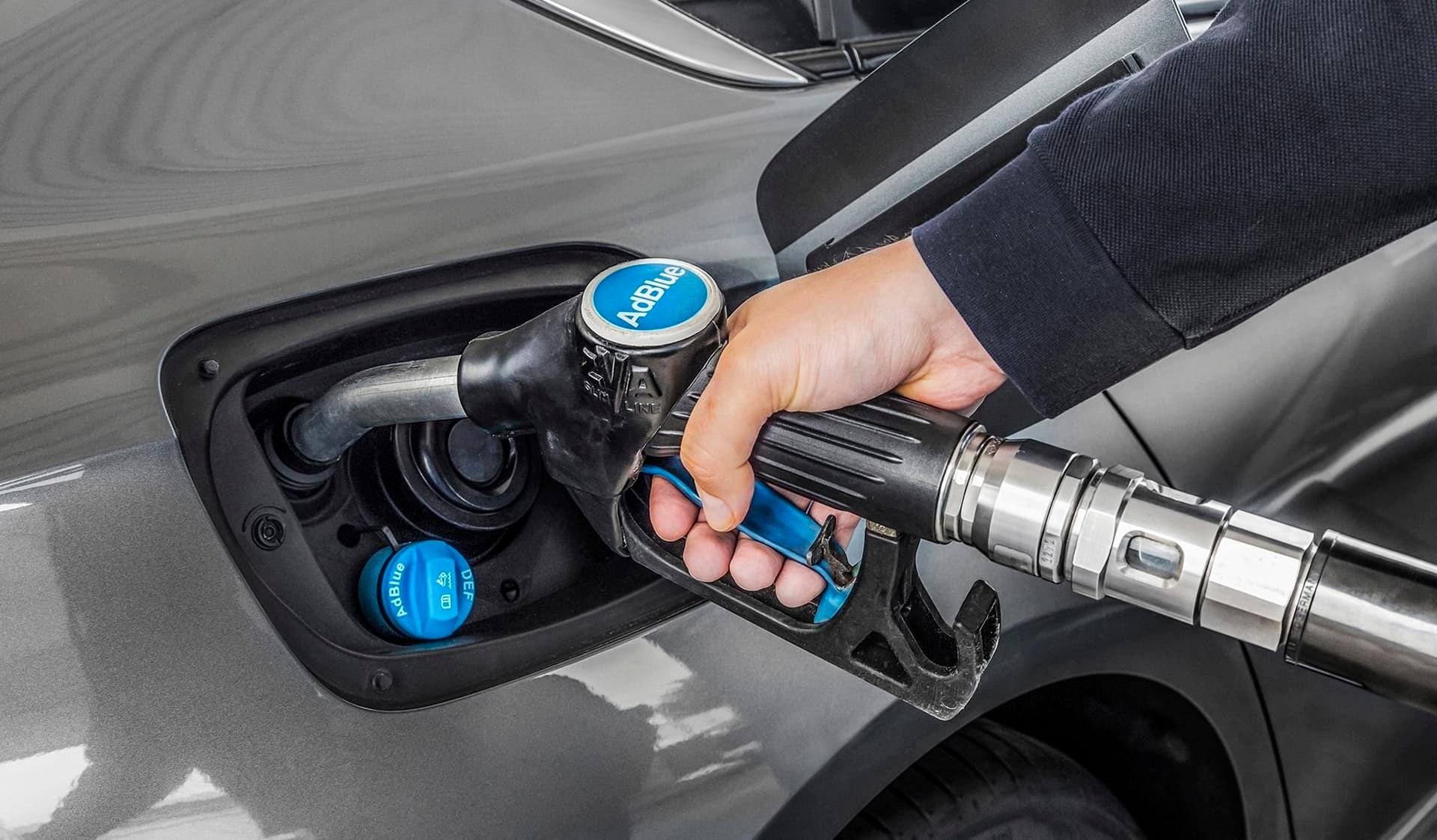
How AdBlue Works in a Vehicle
The process of using AdBlue in a diesel vehicle is both clever and essential for emissions control:
- AdBlue Injection: AdBlue is injected into the exhaust system before it reaches the SCR catalyst.
- Chemical Reaction: At high temperatures, AdBlue decomposes into ammonia and carbon dioxide.
- NOx Conversion: Ammonia reacts with nitrogen oxides in the exhaust, converting them into harmless nitrogen gas and water vapour.
- Emission Reduction: The result is a significant reduction in NOx emissions, allowing the vehicle to meet Euro 6 standards.
The system is fully automated, and the driver does not need to manage the injection manually.
How Often Do You Need to Refill AdBlue?
AdBlue consumption varies by vehicle type, driving style, and load. On average, passenger cars consume between 1 and 2 litres per 1,000 miles. Vans and light commercial vehicles may consume more, depending on engine size and usage patterns.
Most vehicles equipped with AdBlue have a warning system that alerts the driver when the AdBlue level is low. Modern cars will typically provide several thousand miles of driving after the first low-level warning, giving plenty of time to refill. Ignoring the warnings can lead to reduced engine performance or complete immobilisation once the tank is empty.
Where to Buy AdBlue
AdBlue is widely available in the UK and can be purchased at:
- Petrol stations
- Supermarkets and DIY stores
- Online retailers with home delivery
- Automotive parts suppliers
It is crucial to use only high-quality AdBlue that meets ISO 22241 standards. Low-grade or contaminated AdBlue can damage the SCR system, resulting in costly repairs.
123 Oil offer home delivery of certified AdBlue, making it easy to maintain your vehicle without frequent trips to the petrol station.
Refilling AdBlue: Step-by-Step
- Locate the AdBlue filler cap: Often found near the fuel tank or under a separate flap.
- Open the tank carefully: Avoid spillage, as AdBlue can corrode painted surfaces.
- Use a suitable container or pump: Many pumps provide a nozzle specifically designed for AdBlue.
- Refill slowly: Avoid overfilling, as the tank has a maximum capacity.
- Secure the cap: Ensure the filler cap is closed to prevent contamination.
- Check dashboard indicators: Reset the low-level warning if necessary, following the vehicle manual.
AdBlue is non-toxic, but it should still be handled carefully to avoid contact with the eyes or painted surfaces.
Benefits of Using AdBlue
Using AdBlue correctly provides multiple advantages:
- Reduced NOx emissions: Helps protect air quality and meet legal requirements.
- Legal compliance: Avoids penalties in low-emission zones.
- Improved fuel efficiency: SCR systems can optimise combustion for better efficiency.
- Vehicle longevity: Protects engine components from stress and damage caused by high emissions.
- Environmental responsibility: Reduces the vehicle’s carbon footprint and supports cleaner air in urban areas.
Common Misconceptions about AdBlue
- AdBlue is fuel: Incorrect; it is a urea solution injected into the exhaust, not mixed with diesel.
- All diesel cars need AdBlue: Only vehicles equipped with SCR technology require it. Older diesel cars may not use AdBlue.
- AdBlue lasts forever once filled: Consumption depends on driving habits and vehicle type. Levels must be monitored regularly.
- You can use any urea solution; only AdBlue that meets ISO 22241 standards should be used. Non-compliant solutions can damage the SCR catalyst.
Consequences of Not Using AdBlue
Failing to maintain AdBlue levels in a compatible vehicle can have serious consequences:
- Dashboard warning lights
- Reduced engine power
- Vehicle immobilisation
- Potential fines for exceeding emissions standards
- Expensive repairs to SCR components
Regular checks and timely refills prevent these issues and ensure your diesel vehicle operates efficiently.
Future of AdBlue in Cars
With increasing focus on zero-emission vehicles and stricter environmental standards, AdBlue will continue to play a significant role in diesel engines for the foreseeable future. Hybrid diesel vehicles may also use SCR technology. However, as electric and hydrogen-powered cars become more widespread, reliance on diesel and AdBlue may gradually decline.
Final Thoughts
AdBlue is an essential component for modern diesel vehicles, particularly those that comply with Euro 6 standards. Knowing which cars use AdBlue, understanding how it works, monitoring levels, and using only high-quality fluids are critical for both vehicle performance and legal compliance. From passenger cars to commercial vans and heavy-duty trucks, AdBlue ensures that diesel engines operate efficiently while meeting stringent emissions requirements.
For UK drivers, staying informed and maintaining AdBlue levels is straightforward with proper knowledge and resources. Companies like 123 Oil provide certified AdBlue, helping drivers keep their vehicles running smoothly and responsibly. By following the recommended practices, diesel vehicle owners can enjoy cleaner air, legal compliance, and reliable engine performance for years to come.
Frequently Asked Questions
Modern diesel vehicles that comply with Euro 6, including passenger cars, vans, trucks, and some off-road machinery, typically require AdBlue.
Refill frequency varies by vehicle and driving style, but most passenger cars need topping up every 1,000 to 2,000 miles. Dashboard warnings help monitor levels.
No. Only high-quality AdBlue meeting ISO 22241 standards should be used. Using alternative solutions can damage the SCR system.
If AdBlue is depleted, the vehicle may display warning lights, reduce engine power, and eventually prevent the car from starting until refilled.
AdBlue is available at petrol stations, supermarkets, online retailers, and specialist suppliers such as 123 Oil, which offers certified home delivery.