


Gas oil is made by refining crude oil. The crude oil is heated and separated through fractional distillation, where heavier fuel fractions are collected. These fractions are then treated to remove impurities, blended to meet fuel standards, and tested before use in machinery, generators, heating systems and industrial equipment.
Gas oil is one of those fuels many people use indirectly but rarely think about. It powers machinery, heating systems, generators, farm equipment, construction plant and many industrial operations. In the UK, it is also commonly associated with red diesel, especially when used in permitted off-road or commercial settings. Yet despite its everyday importance, most people do not know how gas oil is actually made.
The short answer is that gas oil is produced from crude oil through a controlled refining process. The longer answer is more interesting. Crude oil is not a ready-to-use product. It is a thick, natural mixture of hydrocarbons, sulphur compounds, metals, salts, water and other materials that need to be separated, cleaned and refined. A refinery turns this complex raw material into useful fuels such as petrol, diesel, jet fuel, heating oil, lubricants and gas oil.
This guide explains how gas oil is made, step by step, in clear language. No refinery engineering degree required, thankfully, because humanity has already made enough things unnecessarily complicated.
What Is Gas Oil?
Gas oil is a petroleum-based fuel produced during the refining of crude oil. It belongs to the distillate fuel family, which also includes diesel fuels and fuel oils. Distillate fuels are made by heating crude oil and separating it into different fractions according to boiling point.
In practical terms, gas oil is a heavier fuel than petrol and kerosene. It has a higher boiling range, a higher energy content per litre than lighter fuels, and is suitable for engines, burners and equipment designed to use this type of fuel.
In the UK, gas oil is often linked with red diesel. Red diesel is chemically similar to regular diesel but contains a red dye and chemical markers to show that it is a rebated fuel for specific permitted uses. It is not simply “cheap diesel for everyone”, although that has not stopped some people from treating tax rules like optional decoration. GOV.UK makes clear that red diesel use is restricted to certain approved vehicles, machines and purposes.
Gas oil is commonly used for:
- Agricultural machinery
- Construction equipment
- Commercial generators
- Industrial heating systems
- Off-road vehicles
- Marine and rail applications were permitted
- Backup power systems
- Plant machinery and site equipment
For fuel users, understanding how gas oil is made also helps explain why quality matters. Poor-quality fuel can cause blocked filters, poor combustion, engine problems and equipment downtime. 123 Oil helps businesses access fuel that is suitable for commercial and industrial use.
Step 1: Crude Oil Is Extracted
Gas oil begins its life as crude oil. Crude oil is a natural fossil fuel formed over millions of years from ancient organic material buried under layers of sediment. Heat, pressure and time transform this material into liquid hydrocarbons.
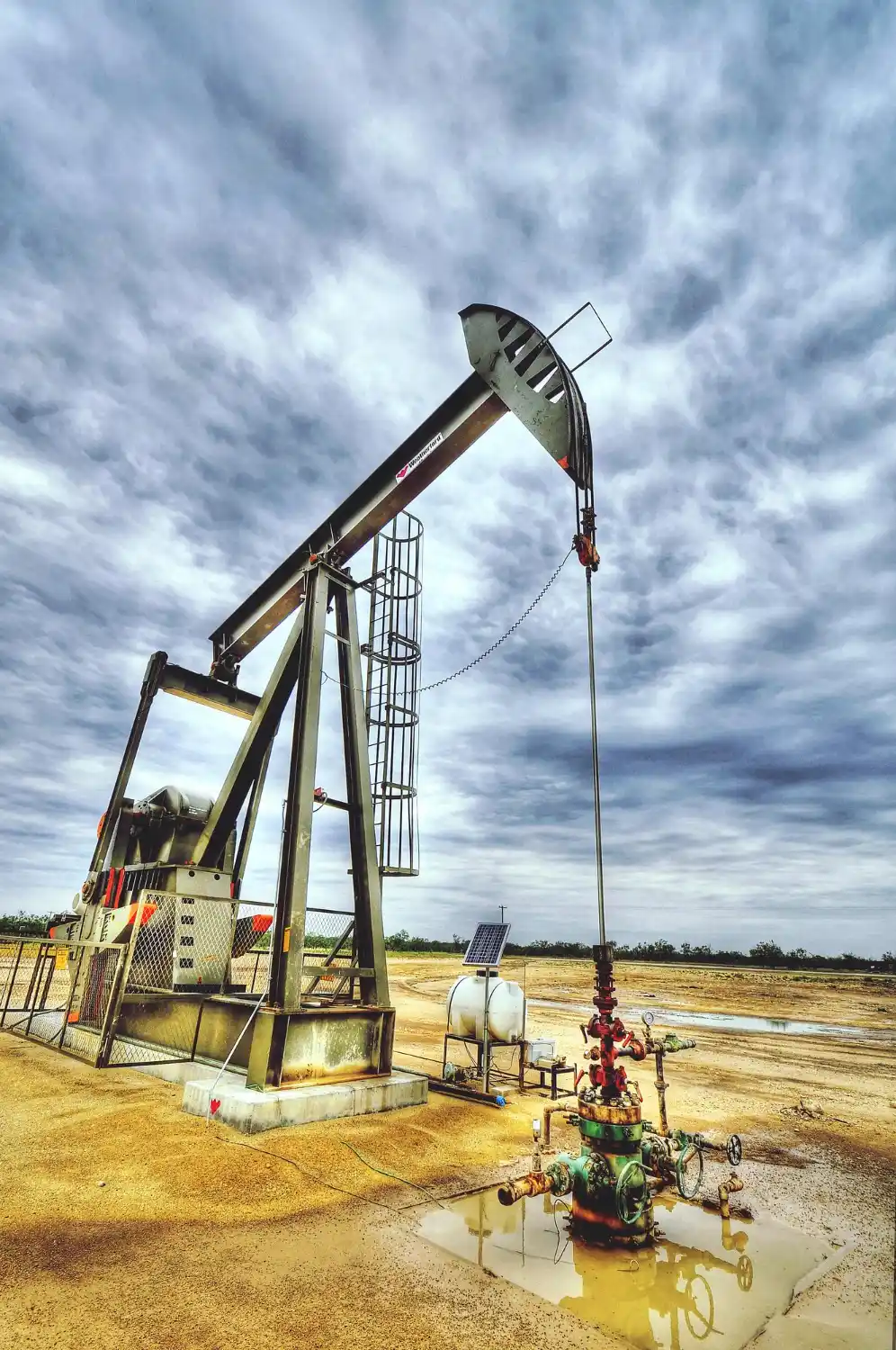
Crude oil is extracted from underground reservoirs through wells. It may come from onshore oil fields or offshore platforms. Once extracted, it is transported to refineries by pipeline, tanker, ship or rail.
However, crude oil is not all the same. Some crude oils are light and low in sulphur. Others are heavy, thick and high in sulphur. These differences matter because the type of crude oil affects how much gas oil, diesel, petrol and other products a refinery can produce. Lighter crude oils usually contain more lighter hydrocarbons, while heavier crude oils need more complex processing to produce high-value fuels.
A refinery may use one type of crude oil or blend different crude oils together depending on availability, cost and the products it wants to make.
Step 2: The Crude Oil Is Cleaned Before Refining
Before crude oil can be separated into useful fuels, it must be cleaned. Raw crude can contain water, salt, sand, clay, metals and other impurities. These materials can damage refinery equipment, cause corrosion and reduce product quality.
This early cleaning stage is usually called desalting. The crude oil is mixed with water to dissolve salts and then passed through an electric field that helps separate the water and impurities from the oil. The cleaner crude is then ready for heating and distillation.
This stage may not sound glamorous, but it is essential. Refining dirty crude without proper treatment would be like putting muddy water into a coffee machine and then acting shocked when it gives up on life.
Step 3: The Crude Oil Is Heated
After cleaning, the crude oil is heated in a furnace. It must reach a high enough temperature for many of its hydrocarbon components to vaporise. The heated mixture is then sent into a distillation column.
This is where the main separation process begins.
Crude oil contains thousands of different hydrocarbon molecules. These molecules have different sizes, weights and boiling points. Smaller, lighter molecules boil at lower temperatures. Larger, heavier molecules boil at higher temperatures.
By heating crude oil, the refinery can separate these components into groups known as fractions.
Step 4: Fractional Distillation Separates the Fractions
Fractional distillation is the key process used to separate crude oil into useful petroleum fractions. The heated crude enters a tall distillation column. Inside the column, temperatures are hottest at the bottom and cooler at the top.
As the vapours rise through the column, they cool and condense at different levels depending on their boiling points. Light gases rise near the top. Petrol and naphtha condense higher up. Kerosene and diesel-range fuels condense in the middle. Heavier gas oils separate lower down in the tower, while the heaviest residues remain at the bottom. The EIA explains that heavier liquids called gas oils separate lower down in the distillation tower.
This is the heart of how gas oil is made. It is not “created” from nothing. It is separated from crude oil because crude oil already contains hydrocarbon chains that fall within the gas oil boiling range.
The main fractions from crude oil can include:
- Refinery gases
- Petrol and naphtha
- Kerosene
- Diesel and gas oil
- Lubricating oil fractions
- Heavy fuel oil
- Bitumen and residue
Gas oil sits in the heavier middle part of this range. It is too heavy to be petrol, but not as heavy as bitumen or thick residual oil.
Step 5: Heavy Fractions May Be Further Processed
Distillation alone does not always produce enough of the fuels the market needs. Refineries often use additional processes to convert heavier, lower-value fractions into more useful products.
One common process is cracking. Cracking uses heat, pressure, catalysts and sometimes hydrogen to break large hydrocarbon molecules into smaller ones. This can help increase the yield of more valuable fuels. The EIA describes cracking as a major conversion method used after distillation to transform heavier fractions into lighter product streams.
There are different types of cracking, including:
- Thermal cracking
- Fluid catalytic cracking
- Hydrocracking
Hydrocracking is particularly important because it uses hydrogen to help break molecules while also improving fuel quality. It can reduce sulphur and produce cleaner-burning fuel components.
Not all gas oil is made through cracking. Some comes directly from atmospheric or vacuum distillation. Other gas oil components may come from conversion units, depending on refinery design and product requirements.
Step 6: The Gas Oil Is Treated to Remove Impurities
Once the gas oil fraction has been separated, it still needs treatment. Untreated gas oil can contain sulphur, nitrogen compounds, aromatics and other unwanted materials. These can affect emissions, smell, storage stability and engine performance.
A common treatment process is hydrotreating. In this process, the fuel is mixed with hydrogen and passed over a catalyst under high temperature and pressure. This helps remove sulphur and other impurities.
Sulphur removal is especially important because sulphur can contribute to harmful emissions and cause corrosion in engines and equipment. Modern fuel standards usually require lower sulphur content than older fuels.
Treatment improves:
- Combustion quality
- Storage stability
- Fuel cleanliness
- Engine compatibility
- Emissions performance
- Odour control
- Cold weather reliability
This stage turns the separated gas oil fraction into a more suitable and controlled fuel product.
Step 7: The Fuel Is Blended to Meet Specification
After treatment, gas oil may be blended with other refinery streams to meet a required specification. Fuel production is not usually as simple as taking one liquid from one pipe and selling it immediately. Refineries blend different components to achieve the right balance of performance, density, sulphur content, cetane quality, cold-flow properties and stability.
Blending is one of the most important parts of making finished fuel. The refinery must ensure the gas oil performs properly in the equipment it is intended for.
Depending on the final use, the fuel may need to meet requirements for:
- Density
- Viscosity
- Sulphur content
- Flash point
- Water content
- Sediment level
- Cold filter plugging point
- Cetane quality
- Ash content
- Lubricity
- Storage stability
The finished product must be consistent. Businesses cannot afford fuel that behaves differently from one delivery to the next. Machines are expensive enough without feeding them mystery liquid and hoping for the best.
Step 8: Dyes and Markers May Be Added
Where gas oil is sold as red diesel or rebated fuel, dyes and chemical makers are added after the refining and blending stages. The red colour helps identify it as a fuel intended only for permitted uses.
This does not mean the fuel becomes a completely different product. The dye is mainly there for identification and enforcement. It allows authorities to detect whether rebated fuel has been used unlawfully in road vehicles or non-permitted applications.
In the UK, the rules around red diesel are strict. Certain sectors and machines can use it, while others cannot. For example, GOV.UK lists permitted uses covering areas such as agriculture, horticulture, forestry, certain non-commercial heating and electricity generation, and specified vehicle or machine categories.
So, while gas oil production is mainly a refining process, its final legal use can depend on how it is marked, taxed and supplied.
Step 9: Quality Testing Takes Place
Before gas oil is delivered to customers, it must be tested. Quality control ensures the fuel meets the required specification and is safe for its intended use.
Fuel testing may check:
- Appearance and clarity
- Density
- Sulphur content
- Water contamination
- Flash point
- Viscosity
- Cold-flow performance
- Sediment
- Ash content
- Distillation range
- Microbial contamination risk
If fuel contains too much water or sediment, it can damage engines, block filters and reduce efficiency. If it’s cold-flow properties are poor, it may thicken or wax in low temperatures. If sulphur content is too high, it may fail regulatory or operational requirements.
Quality testing is the boring bit that prevents expensive disasters, which is basically civilisation in one sentence.
Step 10: Storage and Distribution
Once gas oil passes quality checks, it is moved into storage tanks. From there, it may be transported by tanker, pipeline, ship or road delivery vehicle.
During storage and distribution, contamination control is essential. Water ingress, dirt, rust and microbial growth can all affect fuel quality. Proper tank maintenance, filtration and handling help protect the fuel before it reaches the customer.
For commercial users, storage conditions matter just as much as fuel quality. Even well-refined gas oil can become problematic if it is stored badly. Tanks should be checked for water, sludge, leaks and corrosion. Fuel should also be managed properly if stored for long periods.
Is Gas Oil the Same as Diesel?
Gas oil and diesel are closely related, but they are not always the same in legal, tax or usage terms.
Both fuels come from the middle distillate range of crude oil. Both are hydrocarbon-based fuels used in compression ignition engines and heating systems. However, regular road diesel is formulated and taxed for use in road vehicles. Gas oil, especially red diesel in the UK, is often intended for off-road, industrial, agricultural or heating uses where permitted.
The key differences can include:
- Tax treatment
- Dye and chemical markers
- Permitted uses
- Fuel specification
- Sulphur limits
- Additive packages
- Legal restrictions
So, gas oil may be chemically similar to diesel, but that does not mean it can be used wherever diesel is used. The legal side matters, even if it feels like paperwork has somehow managed to colonise fuel.
Why Is Gas Oil Important?
Gas oil plays a major role in sectors that depend on reliable power and machinery. Many industries use it because it offers strong energy output, dependable combustion and suitability for heavy-duty applications.
Gas oil is important for:
- Farming operations
- Construction sites
- Backup generators
- Industrial heating
- Marine work
- Rail operations
- Forestry equipment
- Commercial boilers
- Temporary power supply
Without fuels like gas oil, many essential sectors would struggle to operate efficiently. Electric alternatives are growing in some areas, but heavy-duty machinery, remote sites and backup power systems still often depend on liquid fuels.
What Affects the Quality of Gas Oil?
Several factors affect the quality of gas oil, from the crude oil source to refining, blending, storage and delivery.
The main quality factors include:
- The type of crude oil used
- The refinery process
- Sulphur removal efficiency
- Blending accuracy
- Additive quality
- Storage conditions
- Water control
- Tank cleanliness
- Delivery handling
Good-quality gas oil should burn efficiently, store reliably and support equipment performance. Poor-quality or contaminated fuel can cause operational problems, including:
- Blocked filters
- Injector issues
- Poor combustion
- Increased smoke
- Engine hesitation
- Boiler faults
- Corrosion
- Microbial growth in tanks
- Equipment downtime
For businesses, fuel quality is not just a technical detail. It affects productivity, maintenance costs and operational reliability.
Can Gas Oil Be Made Without Crude Oil?
Traditional gas oil is made from crude oil. However, the wider fuel industry is changing. Some alternative fuels and renewable diesel products can be made from waste oils, vegetable oils, animal fats or other feedstocks. These are not the same as conventional gas oil, but they may be used in some similar applications depending on engine compatibility and regulations.
Examples include:
- Hydrotreated vegetable oil
- Biodiesel blends
- Synthetic fuels
- Renewable diesel-type products
These alternatives may reduce certain emissions, but availability, cost, compatibility and storage requirements vary. Conventional gas oil remains widely used because existing machinery, boilers and generators are designed around it.
Final Thoughts
Gas oil is made through a detailed refining process that starts with crude oil and ends with a finished fuel suitable for industrial, commercial and off-road use. The main stages include crude oil extraction, cleaning, heating, fractional distillation, further processing, hydrotreating, blending, marking, testing, storage and distribution.
The most important stage is fractional distillation, where crude oil is separated into different fractions according to boiling point. Gas oil comes from the heavier middle distillate range, separating lower in the distillation tower than lighter fuels. It may then be treated and blended to meet fuel standards before being supplied to customers.
Understanding how gas oil is made helps explain why fuel quality, legal use and proper storage all matter. It is not just “oil in a tank”. It is a carefully refined product that supports agriculture, construction, power generation, heating and many other essential industries.
Frequently Asked Questions
Gas oil is made by refining crude oil in a petroleum refinery. The crude oil is cleaned, heated and separated through fractional distillation. The gas oil fraction is collected from the heavier middle section of the distillation process, then treated, blended and tested before use.
Yes, gas oil is mainly produced through fractional distillation. Crude oil is heated until different hydrocarbon fractions vaporise and condense at different levels in a distillation column. Gas oil separates lower down than lighter fuels because it has a higher boiling range.
Gas oil is commonly used in off-road machinery, agricultural vehicles, construction equipment, generators, industrial heating systems, commercial boilers and some marine or rail applications where permitted. Its exact use depends on fuel specification and legal restrictions.
In the UK, gas oil is often supplied as red diesel for approved off-road or rebated uses. Red diesel contains dye and chemical markers to show it is not ordinary road diesel. It must only be used where the law allows.
Gas oil contains larger hydrocarbon molecules than petrol. These molecules have higher boiling points, so they condense lower in the distillation column during refining. This makes gas oil heavier and more suitable for diesel-type engines, burners and industrial equipment.
Yes. After distillation, gas oil usually needs treatment to remove impurities such as sulphur and other unwanted compounds. It may also be blended with other fuel components and additives to meet the required performance and quality standards.
Good-quality gas oil should have the right density, sulphur level, viscosity, flash point, cold-flow performance and cleanliness. It should be free from excessive water, sediment and contamination. Poor-quality fuel can cause blocked filters, poor combustion and machinery problems.