


Coal, oil and gas generate electricity by releasing heat energy through combustion. In most power stations, this heat is used to boil water into high-pressure steam, which spins a turbine connected to a generator. Natural gas can also be burned directly in a gas turbine, where hot gases spin turbine blades to produce electricity. The generator then converts mechanical energy into electrical energy for homes, businesses and industries.
Coal, oil and natural gas have powered electricity generation for more than a century. These fuels are known as fossil fuels because they were formed from ancient organic material buried under the earth for millions of years. When burned, they release stored chemical energy as heat. That heat is then converted into mechanical energy and finally into electrical energy.
It sounds simple when explained like that, but inside a power station, the process involves boilers, turbines, generators, cooling systems, transformers, control rooms, safety equipment and enough engineering to make a normal person quietly reconsider their career choices.
Electricity is not usually produced by simply “burning fuel and sending power into wires”. The process is carefully controlled. Coal, oil and gas must be prepared, burned efficiently, converted into useful movement and then transformed into electricity that can travel safely through the national grid.
This blog explains how coal, oil and gas are used to generate electricity, how each fuel works inside a power station, why these fuels have been so widely used, and what their advantages and disadvantages are in today’s changing energy world.
What Are Coal, Oil and Gas?
Coal, oil and natural gas are fossil fuels. They contain hydrocarbons and carbon-rich materials that store energy. When burned with oxygen, they release heat. This heat is the starting point for electricity generation.
Coal is a solid fossil fuel. It is mined from underground or surface mines and is mainly made of carbon, along with moisture, minerals and other compounds. It has traditionally been used in large power stations because it can produce a large amount of heat.
Oil is a liquid fossil fuel refined from crude oil. In electricity generation, oil may be used in power stations, industrial generators, backup generators and remote power systems. It is less common than coal and gas for large-scale electricity generation in many countries, but it still plays an important role in certain locations and emergency power systems.
Natural gas is a gaseous fossil fuel made mostly of methane. It burns more cleanly than coal and oil, produces electricity quickly and is widely used in modern power stations. Gas-fired plants are often valued because they can start up faster than coal-fired plants and respond more easily to changes in electricity demand.
The Basic Principle of Fossil Fuel Electricity Generation
Coal, oil and gas generate electricity through energy conversion. The process usually follows this basic pattern:
- Fuel contains chemical energy.
- The fuel is burned to release heat energy.
- Heat is used to create steam or hot gas.
- Steam or gas spins a turbine.
- The turbine turns a generator.
- The generator produces electricity.
- The electricity is increased in voltage by transformers.
- The electricity is sent through power lines to users.
That is the main idea behind most fossil fuel power generation. The fuel itself does not magically become electricity. It is used to create movement, and that movement is converted into electrical power by a generator.
A generator works through electromagnetic induction. When a turbine spins a shaft inside the generator, magnets and coils interact to create an electric current. So, in a wonderfully dramatic way, most electricity generation still depends on making something spin really fast. Humanity discovered turbines and then collectively decided, “Yes, let us build civilisation around rotating metal.”
How Is Coal Used to Generate Electricity?
Coal-fired power stations generate electricity by burning coal to produce heat. This heat is used to boil water and create high-pressure steam. The steam spins a turbine, and the turbine drives a generator.
First, coal is delivered to the power station by train, ship, lorry or conveyor system. It is then stored in large coal yards or silos. Before burning, the coal is often crushed into a fine powder. This is called pulverised coal. Powdered coal burns more efficiently because it has a larger surface area and mixes better with air.
The pulverised coal is blown into a boiler furnace. Inside the furnace, it burns at very high temperatures. The heat from combustion turns water inside boiler tubes into steam. This steam becomes extremely hot and pressurised.
The high-pressure steam is directed towards a steam turbine. As the steam passes through the turbine blades, it causes them to spin. The turbine is connected to a generator, and as the turbine rotates, the generator produces electricity.
After passing through the turbine, the steam is cooled in a condenser and turned back into water. This water is then pumped back into the boiler to be heated again. This creates a cycle known as the steam cycle.
Coal power stations usually include systems to control ash, smoke, sulphur dioxide, nitrogen oxides and particulate matter. Coal leaves behind ash after combustion, so power stations need equipment to collect and manage it. Without pollution control systems, coal-fired generation can produce high levels of emissions.
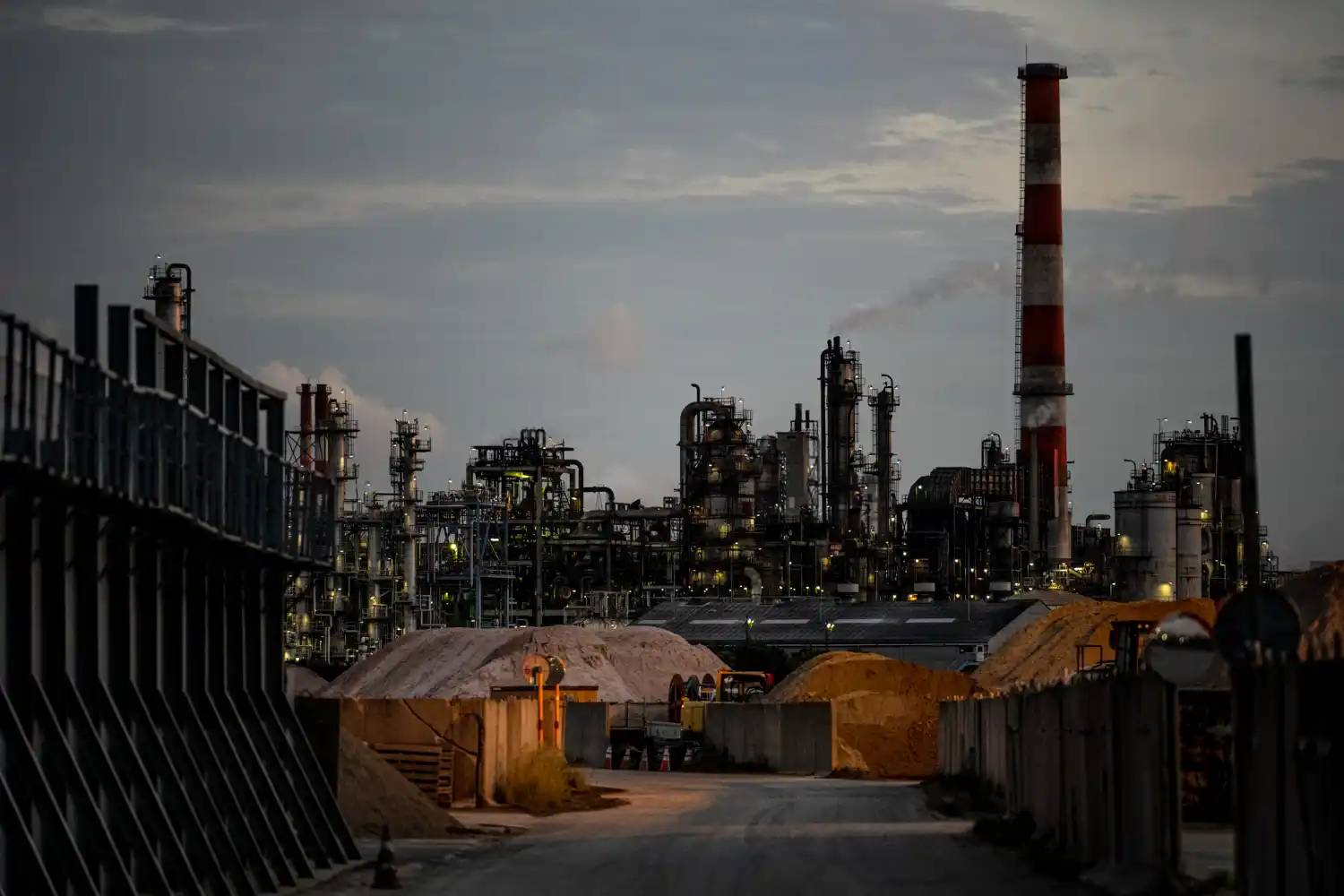
Main Stages of Coal Power Generation
The coal power generation process can be understood in several stages.
1. Coal Preparation
Coal is transported, stored and crushed into smaller pieces or powder. This helps it burn more evenly and efficiently.
2. Combustion
The prepared coal is burned in a boiler furnace. Oxygen is supplied to support combustion, and the fuel releases heat.
3. Steam Production
The heat from burning coal turns water into high-pressure steam inside the boiler system.
4. Turbine Rotation
The steam flows through turbine blades, making the turbine spin at high speed.
5. Electricity Generation
The turbine turns a generator, which converts mechanical energy into electrical energy.
6. Cooling and Recycling
The steam is cooled back into water and reused in the boiler cycle.
7. Emission Control
Ash, smoke and gases are treated using filters, scrubbers and other control systems before release.
How Is Oil Used to Generate Electricity?
Oil is used to generate electricity in a similar way to coal, but because oil is a liquid fuel, it is handled differently. Oil-fired power stations burn fuel oil to produce heat. This heat creates steam, which spins a turbine connected to a generator.
Oil can also be used in diesel generators and gas turbine systems. In these systems, liquid fuel is burned inside an engine or turbine to produce mechanical movement directly. This movement drives a generator and produces electricity.
Large oil-fired power stations are less common than coal or gas plants in many countries because oil can be more expensive and is often prioritised for transport, heating, industrial use or backup power. However, oil remains useful where gas pipelines are not available, where electricity demand is temporary, or where backup generation is required.
In remote areas, islands, industrial sites, hospitals, data centres and emergency facilities, oil-based generators can provide reliable standby electricity. These systems are valuable because they can operate independently from the main electricity grid.
Oil-fired electricity generation often uses fuels such as diesel, heavy fuel oil or gas oil, depending on the equipment and application. Commercial users may rely on fuel suppliers for generator fuel, and in some permitted sectors, Red Diesel Suppliers may serve machinery, generators and off-road power needs where the fuel is legally allowed.
How an Oil-Fired Power Station Works
In an oil-fired power station, the liquid fuel is stored in tanks. Before combustion, heavier oils may need to be heated so they can flow and burn properly. The oil is then sprayed into a boiler furnace through burners. Spraying the oil into fine droplets helps it mix with air and burn efficiently.
The heat from the burning oil turns water into steam. This steam drives a turbine, and the turbine turns a generator. After that, the steam is cooled, condensed and reused, just like in a coal-fired plant.
Oil-fired systems can also use internal combustion engines. These work more like large diesel engines. The oil fuel is injected into cylinders, combustion pushes pistons, and the engine turns a generator. This type of system is common in backup generators and smaller power plants.
Why Oil Is Used for Backup Electricity
Oil is often used for backup power because it is easy to store on site. A hospital, factory, farm, construction site or data centre can keep fuel in a tank and use it when mains electricity fails.
This makes oil useful for:
- Emergency generators
- Remote power systems
- Temporary construction power
- Industrial backup systems
- Agricultural equipment and site power
- Island or off-grid electricity
Oil-based generation is not always the cheapest or cleanest option, but it is dependable when fast, independent power is needed. That is why businesses still use fuel-based generators even in an age where everyone pretends every plug socket is powered by optimism and solar panels.
How Is Natural Gas Used to Generate Electricity?
Natural gas is one of the most widely used fossil fuels for electricity generation. It can produce electricity in two main ways: through steam turbines or gas turbines.
In a conventional gas-fired steam power station, natural gas is burned in a boiler to heat water and produce steam. The steam spins a turbine, and the turbine drives a generator.
In a gas turbine power station, natural gas is burned directly in a combustion chamber. The hot expanding gases flow through turbine blades, spinning the turbine and generating electricity. This is faster and more flexible than the traditional boiler and steam method.
Many modern gas power stations use a combined cycle system. This is more efficient because it uses the same fuel to generate electricity twice.
What Is a Combined Cycle Gas Power Plant?
A combined cycle gas turbine plant, often called a CCGT plant, uses both a gas turbine and a steam turbine.
First, natural gas is burned in a gas turbine. The hot gases spin the turbine and produce electricity. However, the exhaust heat from the gas turbine is still very hot. Instead of wasting this heat, the plant uses it to heat water and produce steam. That steam then spins a second turbine to produce even more electricity.
This means the plant gets more electricity from the same amount of fuel. It is one of the reasons gas-fired power stations can be more efficient than older coal or oil plants.
The process works like this:
- Natural gas is burned in a gas turbine.
- The gas turbine generates electricity.
- Hot exhaust gases are captured.
- The captured heat produces steam.
- The steam spins a second turbine.
- The second turbine generates additional electricity.
This system is efficient because it uses waste heat that would otherwise be lost. Engineers call it efficiency. Everyone else calls it “finally not wasting half the heat like complete amateurs.”
Coal vs Oil vs Gas in Electricity Generation
Coal, oil and gas can all generate electricity, but they are not used in exactly the same way or for the same reasons.
Coal has traditionally been used for large, steady power generation. It is energy-dense and can provide consistent output, but it produces high carbon emissions and more air pollutants than gas.
Oil is useful for backup, remote and emergency power generation. It is easy to store and transport, but it is usually more expensive for large-scale electricity generation and produces more emissions than natural gas.
Natural gas is widely used because it is flexible, efficient and cleaner-burning than coal and oil. Gas-fired plants can start up quickly and help balance electricity demand, especially when renewable generation changes due to weather.
In simple terms, coal has historically provided heavy baseload power, oil is often used for backup or special situations, and gas is commonly used for flexible and efficient electricity generation.
Why Fossil Fuels Have Been Used for Electricity
Coal, oil and gas became popular for electricity generation because they are energy-dense, transportable and controllable. Unlike wind and solar, fossil fuel plants can generate electricity when needed, as long as fuel is available.
Their advantages include:
- Reliable power output
- High energy density
- Established infrastructure
- Large-scale generation capacity
- Easy storage in the case of coal and oil
- Fast response in the case of gas
- Compatibility with existing power systems
For many years, these benefits made fossil fuels the backbone of electricity supply. They helped power cities, factories, transport networks, public services and homes.
However, the same fuels also create major environmental challenges. Burning coal, oil and gas releases carbon dioxide, which contributes to climate change. It can also produce air pollutants depending on the fuel type and control systems used.
Environmental Impact of Coal, Oil and Gas Power
The environmental impact of fossil fuel electricity generation depends on the fuel, technology and pollution control equipment used.
Coal usually produces the highest carbon dioxide emissions per unit of electricity among the three fuels. It can also produce sulphur dioxide, nitrogen oxides, particulates, ash and heavy metals if not properly controlled.
Oil also produces carbon dioxide and air pollutants. The level depends on the type of oil fuel and the combustion system. Heavy fuel oils can produce more pollutants than cleaner liquid fuels.
Natural gas produces less carbon dioxide than coal when burned for electricity, but it is still a fossil fuel. It also produces nitrogen oxides, and methane leakage during production or transport can reduce its environmental advantage.
Power stations use different technologies to reduce pollution, including filters, scrubbers, low-NOx burners, monitoring systems and improved combustion controls. Even so, fossil fuel generation remains a major source of greenhouse gas emissions.
Are Coal, Oil and Gas Still Used Today?
Yes, coal, oil and gas are still used to generate electricity in many parts of the world. However, their role is changing. Many countries are reducing coal power because of its high emissions. Oil-fired electricity is often limited to backup, remote or emergency generation. Natural gas remains widely used, especially where flexible generation is needed to support renewable energy.
Renewable energy sources such as wind, solar and hydro are growing quickly, but fossil fuels still support electricity grids in many regions. They are often used when demand is high, when renewable output is low, or when fast backup power is needed.
This does not mean fossil fuels are the future forever. It means the electricity system is still transitioning. Energy systems do not change overnight, mostly because infrastructure is expensive and governments enjoy moving at the speed of a tired snail.
Role of Generators in Fossil Fuel Electricity
Generators are central to coal, oil and gas electricity generation. No matter which fuel is used, the final step usually involves spinning a generator.
In coal and oil steam power stations, steam spins the turbine. In gas turbine plants, hot gases spin the turbine directly. In diesel generators, an engine turns the generator shaft.
The generator converts mechanical energy into electrical energy. This electricity is then sent to a transformer, which increases the voltage so it can travel efficiently through transmission lines.
Without the generator, the power station would simply be an expensive heat-making machine. Which, to be fair, is what some badly managed systems feel like anyway.
The Complete Process in Simple Terms
Coal, oil and gas generate electricity through a chain of energy conversion. The fuel is burned, heat is released, movement is created, and that movement produces electricity.
Coal usually follows this process:
Coal is crushed, burned in a boiler, used to create steam, and the steam turns a turbine connected to a generator.
Oil usually follows this process:
Oil is burned in a boiler, turbine, or engine system to create steam or mechanical movement, which turns a generator.
Gas usually follows this process:
Natural gas is burned in a gas turbine or boiler. The turbine spins directly, or steam is produced to spin a turbine. In combined cycle plants, both systems are used for better efficiency.
The main difference is how each fuel creates the movement needed to turn the generator.
Why Understanding This Process Matters
Understanding how coal, oil and gas are used to generate electricity helps explain why energy supply is such a major issue. Electricity does not simply appear in homes and businesses. It depends on fuel supply, power stations, grid systems, engineering, maintenance and environmental control.
For businesses that rely on fuel for heating, machinery or backup power, understanding energy generation also helps with planning and fuel management. Suppliers such as 123 Oil support commercial and industrial users who need reliable fuel for approved applications, including equipment and power-related uses.
Electricity generation affects energy prices, business costs, environmental policy and national infrastructure. When fuel prices rise, electricity production costs can also rise. When power stations close, grids need replacement capacity. When demand increases, energy systems must respond quickly.
So, this topic is not just technical. It affects daily life, industry, transport, food production, healthcare, construction and pretty much everything else humans insist on keeping switched on.
Conclusion
Coal, oil and gas are used to generate electricity by converting stored chemical energy into heat, then into movement, and finally into electrical power. Coal and oil are often burned to heat water and produce steam, which turns a turbine connected to a generator. Natural gas can be used in steam systems, gas turbines or combined cycle plants, where both gas and steam turbines work together for greater efficiency.
Coal has historically been used for large-scale power generation, oil is often used for backup and remote electricity, and natural gas is widely used for flexible and efficient generation. Each fuel has advantages, but each also creates environmental challenges, especially carbon emissions.
Although the world is moving towards cleaner energy, coal, oil and gas still play a role in electricity generation. Understanding how they work helps explain the strengths, limits and future challenges of the energy systems that power modern life.
Frequently Asked Questions
Coal, oil and gas generate electricity by releasing heat through combustion. This heat is used to produce steam or hot gases, which spin turbines connected to generators. The generator then converts mechanical movement into electrical energy.
Coal is crushed into powder and burned in a boiler. The heat turns water into high-pressure steam. This steam spins a turbine, and the turbine drives a generator to produce electricity.
Oil is burned in boilers, turbines or diesel engines to produce heat or mechanical movement. In power stations, it can create steam to spin turbines. In generators, oil-based fuel can power engines that turn electrical generators.
Natural gas can be burned in a gas turbine, where hot gases spin turbine blades directly. It can also heat water to produce steam. In combined cycle power plants, gas turbines and steam turbines work together for higher efficiency.
Natural gas and coal are commonly used for electricity generation worldwide. Coal has historically been used for large baseload power, while natural gas is widely used because it is flexible, efficient and cleaner-burning than coal.
Oil is often more expensive than coal or natural gas for large-scale electricity generation. It is commonly used for backup power, emergency generators, remote sites and places where other fuel supplies are limited.
Coal, oil and gas release carbon dioxide when burned, which contributes to climate change. They can also produce air pollutants. Natural gas usually produces fewer emissions than coal, but it is still a fossil fuel and still has environmental impacts.