

Downstream oil and gas are the final stage of the petroleum industry. It involves refining crude oil, processing fuels, storing products, distributing energy supplies and selling finished petroleum products to homes, businesses and industries. Common downstream products include petrol, diesel, heating oil, kerosene, lubricants, LPG, jet fuel and petrochemicals.
The oil and gas industry is usually divided into three main sectors: upstream, midstream and downstream. Each part plays a different role in turning natural resources from beneath the earth into usable products. Upstream focuses on finding and producing crude oil and natural gas. Midstream handles transport, storage and processing. Downstream is the final stage, where raw energy resources are transformed into finished products and supplied to end users.
In simple terms, downstream oil and gas is the part of the industry most people interact with directly. When a driver fills a car with petrol or diesel, when a home uses heating oil, when a business buys lubricants, or when an airport receives jet fuel, that is the downstream sector at work. It is the customer-facing end of the oil and gas chain.
Downstream may sound less dramatic than drilling offshore wells or building pipelines across continents, but it is absolutely essential. Without downstream operations, crude oil would remain a raw material with limited practical use. Refineries, fuel terminals, distributors, retailers and suppliers all work together to convert oil and gas into products that power daily life. So, while upstream gets the rugged “drilling into the planet” image, downstream is the part that actually gets useful fuel into engines, boilers, machines and homes. Naturally, the useful bit gets less cinematic attention. Humanity remains consistent.
What Does Downstream Oil and Gas Mean?
Downstream oil and gas refer to the refining, processing, distribution, marketing and sale of finished petroleum products. It begins after crude oil and natural gas have been extracted and transported, and it continues until the final products reach customers.
The downstream sector includes the activities that turn crude oil and gas into usable fuels and products. These can include petrol, diesel, gas oil, heating oil, kerosene, jet fuel, lubricants, LPG, asphalt, bitumen, solvents and petrochemical materials.
Downstream companies may operate refineries, blending facilities, storage terminals, fuel delivery networks, petrol stations, lubricant plants and commercial supply services. Some companies are large integrated energy businesses, while others specialise in local fuel supply, industrial products or retail distribution.
The main purpose of downstream oil and gas is to make petroleum products safe, usable, consistent and available for homes, vehicles, machinery, businesses and industries.
Upstream vs Midstream vs Downstream
To understand downstream properly, it helps to compare it with the other parts of the oil and gas chain.
Upstream Oil and Gas
Upstream is the first stage. It focuses on exploration and production. This includes finding oil and gas reserves, drilling wells and bringing crude oil or natural gas to the surface.
Upstream activities include exploration, seismic surveys, drilling, well completion, field production and reservoir management.
Midstream Oil and Gas
Midstream is the connecting stage. It moves, stores and sometimes processes crude oil, natural gas and related products before they reach refineries or downstream facilities.
Midstream activities include pipelines, tankers, storage terminals, rail transport, shipping, gas processing and compression stations.
Downstream Oil and Gas
Downstream is the final stage. It turns crude oil and gas into finished products and supplies them to customers.
Downstream activities include refining, fuel blending, product storage, distribution, wholesale supply, retail sales and commercial fuel delivery.
Put simply, upstream finds the resource, midstream moves it, and downstream makes it useful. Three sectors, one giant industrial relay race, with fewer medals and more paperwork.
Main Activities in the Downstream Oil and Gas Industry
The downstream sector includes several important activities. These activities make sure petroleum products are refined, tested, stored, distributed and sold safely.
1. Crude Oil Refining
Refining is one of the most important parts of downstream oil and gas. Crude oil cannot be used directly in most engines, boilers or industrial systems. It must first be processed in a refinery.
A refinery separates crude oil into different fractions using heat and distillation. Each fraction has a different boiling range and can be turned into different products. Lighter fractions may become petrol or naphtha. Middle fractions may become kerosene, diesel, gas oil or jet fuel. Heavier fractions may become fuel oil, lubricants, bitumen or asphalt.
Refining may include several processes, such as distillation, cracking, hydrotreating, reforming, blending and desulphurisation. These processes improve fuel quality, remove impurities and create products that meet legal and commercial standards.
Without refining, crude oil would be far less useful. It would be like owning flour, eggs and sugar but refusing to bake the cake. Technically, you have ingredients. Practically, no one is impressed.
2. Fuel Blending
After refining, different fuel components are often blended to create a finished product. Blending helps achieve the correct performance, stability, cold-weather behaviour, emissions level and specification.
For example, diesel, petrol and heating fuels may need specific properties before they can be sold. These properties can include density, viscosity, flash point, sulphur level, octane rating, cetane number, lubricity and storage stability.
Fuel blending also allows companies to produce products suitable for different seasons, regions and customer needs. Winter-grade fuel may need better cold-flow performance, while industrial fuels may need specific handling or combustion qualities.
Blending is a precise process. A small change in formulation can affect performance, emissions or equipment reliability. This is why fuel suppliers must follow strict standards and quality controls.
3. Product Testing and Quality Control
Downstream oil and gas products must be tested before they are supplied to customers. Quality control is essential because poor-quality fuel can damage engines, block filters, reduce efficiency and create safety risks.
Testing may check water content, sediment, sulphur level, density, viscosity, flash point, cold filter plugging point, contamination and combustion quality.
This stage is especially important for commercial customers who rely on fuel for daily operations. A construction site, farm, transport company or manufacturing facility cannot afford equipment failure caused by contaminated or unsuitable fuel.
Quality control also protects brand reputation. Customers expect consistency. They do not want one fuel delivery to perform well and the next one to behave like it was mixed in someone’s garden shed.
4. Storage and Terminal Operations
Once fuel products are refined and tested, they are stored in tanks at refineries, terminals or distribution depots. Storage is a major part of downstream operations because products must be available when customers need them.
Fuel storage facilities must be carefully managed. Tanks need to be inspected, cleaned and monitored for leaks, water contamination, corrosion and vapour emissions. Different products must also be stored separately to avoid contamination.
Large terminals may store petrol, diesel, aviation fuel, heating oil, marine fuel, gas oil, lubricants and other petroleum products. These terminals act as supply hubs, allowing fuel to be loaded into tankers, ships, rail wagons or pipelines.
Storage may sound simple, but keeping millions of litres of flammable product safe, clean and ready for delivery is not exactly a casual garage project.
5. Distribution and Delivery
Distribution is the process of moving finished petroleum products from refineries or terminals to customers. This may involve road tankers, pipelines, ships, rail transport or local delivery vehicles.
Fuel distribution must be carefully planned to ensure supply reliability. Businesses, farms, homes and public services depend on fuel arriving on time. Delays can affect heating, transport, manufacturing, construction and emergency power systems.
Downstream suppliers often deliver fuel directly to commercial sites, homes, farms, factories and depots. This makes logistics a key part of the downstream sector.
Fuel delivery also involves safety procedures. Drivers must handle products correctly, prevent spills, follow transport regulations and make sure the right product is delivered to the right tank. Obvious, yes, but history has shown that humans need procedures for things that should already be obvious.
6. Marketing and Retail Sales
Downstream oil and gas also include marketing and selling finished products. This can happen through petrol stations, commercial fuel contracts, wholesale fuel supply, lubricant sales, heating oil delivery and industrial product distribution.
Retail fuel stations are one of the most visible parts of the downstream sector. They sell petrol and diesel directly to drivers. However, downstream marketing also includes business-to-business supply, where companies purchase large volumes of fuel, oil or related products.
A company may serve domestic heating customers, agricultural users, transport operators, workshops, industrial facilities or construction firms. Products must be presented clearly, priced competitively and delivered reliably.
This is where customer service becomes just as important as technical product quality. Because even the best fuel in the world becomes useless if it arrives late, goes to the wrong site or comes with an invoice that looks like it was assembled by a confused robot.
What Products Are Made in the Downstream Oil and Gas Sector?
The downstream sector produces and supplies a wide range of products. Many people think only of petrol and diesel, but downstream oil and gas supports far more than road transport.
Common downstream products include petrol, diesel, gas oil, kerosene, heating oil, jet fuel, marine fuel, LPG, lubricants, bitumen, asphalt, solvents, waxes and petrochemical feedstocks.
These products are used in transport, aviation, heating, agriculture, manufacturing, road construction, power generation, shipping, machinery maintenance and chemical production.
The downstream sector also supports the production of plastics, synthetic fibres, packaging, paints, adhesives, detergents, cosmetics and many other everyday goods through petrochemical processing.
So, even if someone claims they “do not use oil and gas”, they are probably standing in shoes, using a phone, touching plastic, sitting on furniture or living inside a building full of petroleum-derived materials. The modern world is awkward like that.
Why Is Downstream Oil and Gas Important?
Downstream oil and gas are important because it connects energy production with everyday use. It turns raw crude oil and natural gas into practical products that people and businesses can actually use.
Downstream supports transport by supplying petrol, diesel and aviation fuel. It supports homes and businesses through heating oil and LPG. It supports industry through lubricants, solvents, bitumen and specialist fuels. It supports agriculture and construction through commercial fuel supply and machinery products.
It also plays a major role in energy security. A country may have crude oil resources, but without refining, storage and distribution infrastructure, it would still struggle to supply usable fuel to customers.
Downstream is also important for price stability and supply planning. Fuel prices are affected not only by crude oil prices, but also by refining capacity, taxes, transport costs, storage levels, demand, seasonal use and global supply conditions.
For businesses that depend on fuel, reliable downstream supply is essential. Fuel is not just another expense. It keeps vehicles moving, machines working, buildings heated and operations running.
Role of Refineries in Downstream Oil and Gas
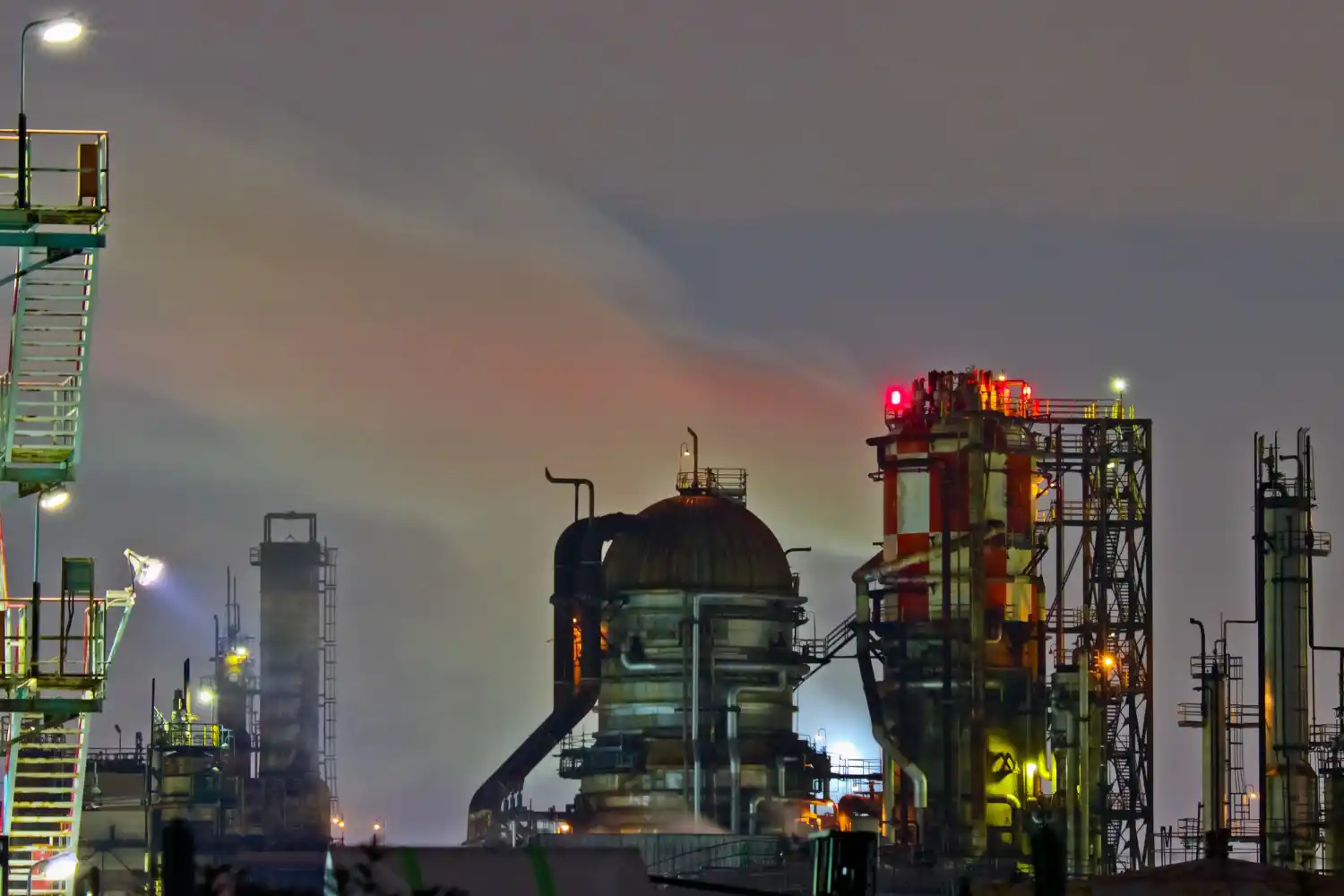
Refineries are the industrial heart of the downstream sector. They process crude oil into usable products through physical and chemical processes.
The first major refining stage is usually fractional distillation. Crude oil is heated, and its different components separate according to boiling point. Lighter products rise higher in the distillation column, while heavier products collect lower down.
After distillation, some fractions are treated or converted. Heavy fractions may be cracked into lighter, more valuable products. Sulphur and other impurities may be removed. Product streams may then be blended to create finished fuels.
A refinery must balance product demand. If demand for diesel is high, the refinery may adjust operations to produce more diesel-range material. If petrol demand changes, production planning may also change.
Refineries are complex, expensive and highly regulated. They must manage safety, emissions, waste, energy use, product quality and environmental performance.
Downstream Oil and Gas and Fuel Supply
Fuel supply is one of the most practical parts of downstream oil and gas. After products are refined and stored, they must reach the customers who need them.
Commercial fuel supply can include deliveries to farms, construction sites, transport yards, factories, workshops, power generation sites and heating systems. Domestic supply can include heating oil and other household fuels.
Some businesses search for Red Diesel Suppliers when they need rebated fuel for permitted uses such as eligible off-road machinery, agriculture or specific commercial applications. This is part of the downstream market because the fuel has already been refined, marked, stored and distributed for customer use.
Fuel supply companies must understand product suitability, legal restrictions, storage requirements and delivery logistics. Supplying the wrong fuel or failing to meet compliance rules can create serious problems for customers.
Downstream Oil and Gas and Lubricants
Lubricants are another major downstream product category. They are made from refined base oils and additives that improve performance, protection and durability.
Lubricants reduce friction, control heat, protect moving parts, prevent corrosion and improve equipment efficiency. They are used in vehicles, factories, marine engines, hydraulic systems, gearboxes, compressors and agricultural machinery.
Businesses often work with Hydraulic Oil Suppliers when they need specialist oils for machinery, lifting systems, plant equipment or industrial hydraulic applications. These products must meet specific technical requirements because hydraulic systems rely on clean, stable and correctly graded oil to perform safely.
Lubricants show that downstream oil and gas is not only about fuel. It also supports the maintenance and protection of expensive machinery and industrial systems.
Downstream Oil and Gas and Heating Fuels
Heating fuels are another important part of the downstream sector. In areas not connected to mains gas, homes and businesses may rely on liquid fuels for heating systems.
Kerosene Oil is commonly used as a heating fuel in many off-grid properties, especially in rural areas. It is refined from crude oil and supplied through the downstream fuel distribution network to domestic and commercial users.
Heating fuel supply depends on seasonal demand. Winter usually increases demand as homes, farms and businesses use more fuel for warmth. This means storage, delivery planning and stock management become especially important during colder months.
A reliable downstream network helps prevent shortages, delays and price shocks during high-demand periods.
Downstream Oil and Gas in Daily Life
Downstream oil and gas affect daily life in more ways than most people realise. It helps fuel cars, vans, buses, lorries, ships and aircraft. It heats homes, powers generators, lubricates machinery and supports road construction.
Bitumen, for example, is used in road surfacing. Lubricants keep engines and industrial equipment operating. Petrochemical feedstocks help produce plastics, packaging, synthetic materials, paints and many household goods.
Even renewable energy systems may rely on downstream petroleum products during manufacturing, transport, installation and maintenance. Wind turbines, solar farms, grid equipment and construction vehicles all depend on industrial supply chains that still use fuels and lubricants.
This does not mean fossil fuels are perfect. It means the modern economy is deeply connected to downstream products, whether people notice it or not.
Environmental Challenges in Downstream Oil and Gas
The downstream sector faces major environmental challenges. Refining, fuel transport, storage and product use can all create emissions and pollution risks.
Refineries use large amounts of energy and can produce greenhouse gases, sulphur compounds, nitrogen oxides and other emissions. Fuel combustion by customers also releases carbon dioxide and other pollutants.
Storage and distribution must be managed carefully to prevent leaks, spills and contamination. Petrol and other volatile fuels can release vapours, while poor tank management can lead to soil or water pollution.
Downstream companies are under pressure to improve efficiency, reduce emissions, increase transparency and support cleaner products. Many are investing in lower-sulphur fuels, biofuel blending, improved logistics, leak prevention and better environmental controls.
The sector is changing because customers, regulators and investors expect better performance. Apparently, “we have always done it this way” is no longer considered an environmental strategy. Progress does occasionally happen.
How Technology Is Changing Downstream Oil and Gas
Technology is improving the downstream oil and gas sector. Refineries, terminals and fuel suppliers now use digital systems to monitor quality, stock levels, delivery routes, safety performance and customer demand.
Automation helps refineries operate more efficiently. Sensors and control systems monitor temperature, pressure, flow rates and product quality. Predictive maintenance helps companies detect equipment problems before they cause breakdowns.
In distribution, route planning software can improve delivery efficiency and reduce wasted mileage. Digital tank monitoring can help customers avoid running out of fuel. Online ordering systems make it easier for businesses and homes to manage supply.
Technology also supports compliance. Fuel tracking, documentation, emissions monitoring and safety reporting can all be improved through digital systems.
The Future of Downstream Oil and Gas
The downstream oil and gas sector is evolving as the world moves towards cleaner energy, lower emissions and more efficient fuel use. However, downstream products will continue to play a role for many years, especially in transport, heating, aviation, agriculture, construction and industrial sectors.
Future downstream trends may include:
- Cleaner fuel formulations
- More biofuel blending
- Lower-sulphur products
- Digital fuel monitoring
- Improved delivery efficiency
- Better refinery energy management
- Carbon reduction strategies
- Growth in specialist lubricants
- More transparent supply chains
Some downstream companies may diversify into alternative fuels, electric vehicle charging, hydrogen, renewable diesel, sustainable aviation fuel or low-carbon heating solutions.
The sector will not simply disappear overnight. Energy transitions take time because infrastructure, vehicles, machinery and heating systems cannot all be replaced instantly. Anyone who thinks otherwise has probably never tried changing one office printer, let alone an entire energy economy.
How Downstream Oil and Gas Supports Businesses
Businesses rely on downstream oil and gas for transport, heating, machinery, manufacturing and emergency power. A farm may need fuel for equipment. A logistics company may need diesel for its fleet. A factory may need lubricants. A rural property may need heating oil. A construction site may need generator fuel.
Reliable supply can affect productivity, safety and operating costs. If fuel does not arrive on time, vehicles stop, equipment sits idle and projects can be delayed. If the wrong product is used, machinery can suffer damage or performance issues.
This is why many companies work with trusted fuel and oil suppliers. A supplier such as 123 Oil helps customers access suitable petroleum products for practical use, linking the wider downstream sector with real-world business needs.
Downstream oil and gas are therefore not only about refineries and global fuel markets. It is also about daily reliability for customers who need products delivered correctly and on time.
Conclusion
Downstream oil and gas are the final stage of the oil and gas industry. It includes refining crude oil, processing petroleum products, blending fuels, testing quality, storing products, distributing supplies and selling finished products to customers.
It is the part of the industry that turns raw crude oil and natural gas into usable fuels, lubricants, heating products and petrochemical materials. Without downstream operations, crude oil would have limited value because it would not be converted into the products needed by homes, businesses and industries.
The downstream sector supports transport, heating, construction, agriculture, manufacturing, aviation and everyday consumer goods. It also faces pressure to reduce emissions, improve efficiency and adapt to the future of cleaner energy.
In simple terms, downstream oil and gas is where the petroleum supply chain becomes useful. It is the stage that takes refined products from industrial processing to real-world use, keeping vehicles moving, buildings warm, machines protected and businesses running.
Frequently Asked Questions
Downstream oil and gas are the final stage of the petroleum industry. It includes refining crude oil, processing fuels, storing products, distributing supplies and selling finished petroleum products to homes, businesses and industries.
Examples of downstream products include petrol, diesel, gas oil, kerosene, heating oil, jet fuel, LPG, lubricants, bitumen, asphalt, solvents and petrochemical materials used in plastics, packaging and industrial goods.
Upstream oil and gas focus on finding and producing crude oil and natural gas. Downstream oil and gas focus on refining, processing, distributing and selling finished products made from those raw resources.
Yes, refining is one of the most important parts of downstream oil and gas. Refineries process crude oil into useful products such as petrol, diesel, kerosene, jet fuel, heating oil and lubricants.
Downstream oil and gas are important because it supplies the finished fuels and petroleum products used in transport, heating, agriculture, construction, manufacturing, aviation and many everyday goods.
Yes, petrol stations are part of the downstream oil and gas sector because they sell finished fuel products directly to customers. They are one of the most visible parts of the downstream supply chain.
Downstream companies include refineries, fuel distributors, lubricant suppliers, petrol station operators, heating oil suppliers, terminal operators, petrochemical companies and commercial fuel delivery businesses.