


Red diesel in the UK currently costs approximately 95p to £1.10 per litre for bulk commercial deliveries, although prices change daily. The exact cost depends on wholesale fuel prices, order quantity, delivery location, supplier rates, and market conditions.
How Much is Red Diesel?
Red diesel remains an essential fuel for many industries across the UK, particularly those that rely on off-road machinery and heavy equipment. Despite changes to government regulations in recent years, thousands of businesses in agriculture, forestry, rail, construction, marine, and power generation still depend on red diesel to keep their operations running efficiently.
One of the most frequently asked questions is, “How much is red diesel?” Unfortunately, there isn’t a single fixed answer. Unlike petrol or standard road diesel, the price of red diesel changes regularly depending on global oil markets, fuel duty, supplier pricing, delivery location, and the quantity ordered.
For businesses that purchase fuel in bulk, even a small change in the price per litre can significantly affect operating costs over the course of a year. Understanding how red diesel is priced can therefore help businesses budget more effectively and secure better value from their fuel supplier.
In this guide, we’ll explain the current price of red diesel in the UK, the factors that influence its cost, who is legally allowed to use it, and practical ways to reduce your fuel expenses.
What is Red Diesel?
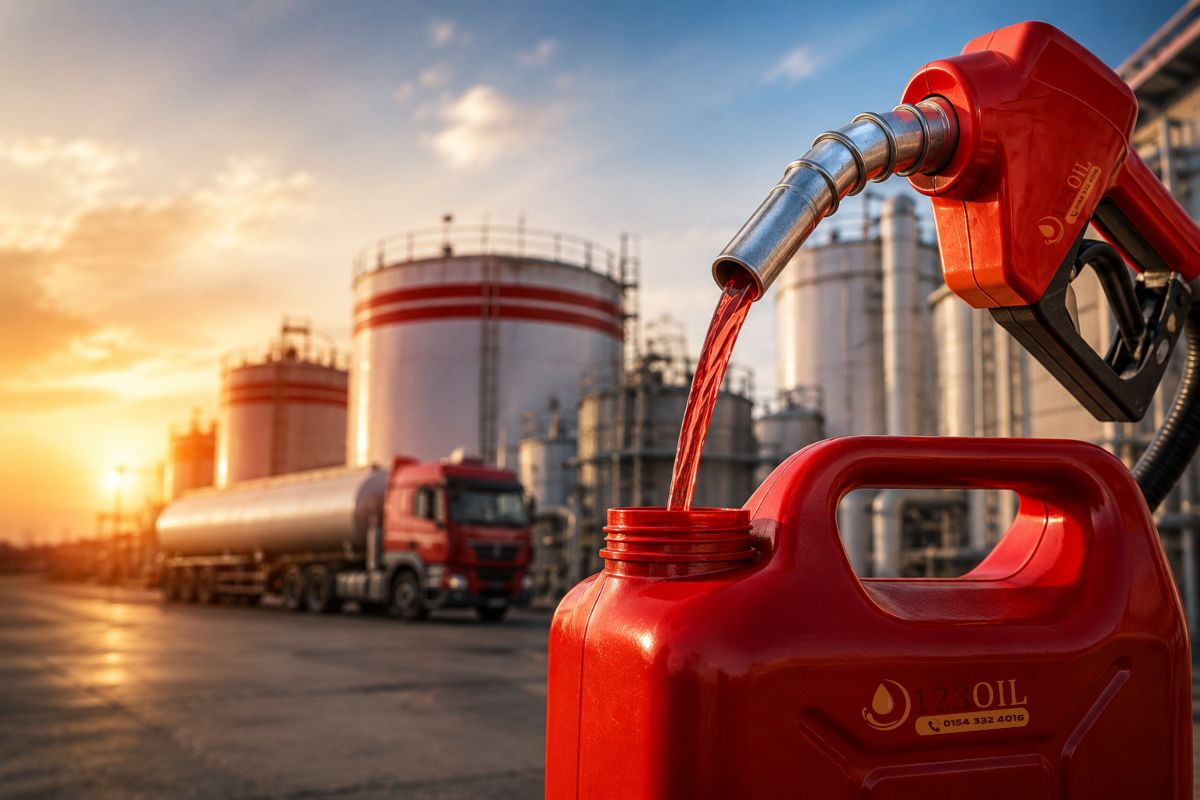
Red diesel, sometimes referred to as gas oil or rebated diesel, is a fuel designed for approved off-road vehicles, machinery, and equipment. Chemically, it is almost identical to standard white diesel used in road vehicles. The main difference is that red diesel contains a red dye and chemical markers which identify it as rebated fuel.
The red colouring allows HM Revenue & Customs (HMRC) to identify illegal use in vehicles that are not entitled to use it.
Because the fuel attracts a lower rate of fuel duty, it is considerably cheaper than standard road diesel. However, strict rules govern who can purchase and use it legally.
Current Red Diesel Prices in the UK (2026)
Red diesel prices fluctuate every day because suppliers base their rates on wholesale fuel markets. The figures below provide an estimated guide for commercial bulk deliveries across the UK.
Order Quantity | Estimated Price Per Litre | Estimated Total Cost |
500 Litres | £1.05 – £1.10 | £525 – £550 |
1,000 Litres | £1.00 – £1.06 | £1,000 – £1,060 |
2,000 Litres | 98p – £1.04 | £1,960 – £2,080 |
5,000 Litres | 95p – £1.00 | £4,750 – £5,000 |
10,000+ Litres | Quote Required | Lower Bulk Rates Available |
- Please Note: These prices are approximate and intended as a general guide. Actual prices vary depending on supplier, delivery postcode, wholesale market conditions, and fuel demand.
How Much is Red Diesel Per Litre?
Businesses often search specifically for how much is red diesel per litre because they want a quick indication of current market prices before requesting a quotation.
For most commercial customers purchasing fuel in bulk, prices generally range between 95p and £1.10 per litre. Smaller orders usually carry a slightly higher price because transport and delivery costs are spread across fewer litres.
Larger businesses ordering several thousand litres at a time often benefit from lower prices per litre through bulk purchasing agreements.
Why Does the Price of Red Diesel Change?
Unlike products sold at fixed retail prices, fuel is traded on international markets. This means prices can rise or fall within days depending on worldwide economic conditions.
Several factors influence the cost of red diesel.
1. Crude Oil Prices
The biggest factor affecting diesel prices is the international price of crude oil.
When crude oil prices increase because of global demand, production cuts, or geopolitical events, refiners pay more for raw materials. These increases are then reflected in wholesale fuel prices across the UK.
Likewise, when oil prices fall, suppliers often reduce their diesel prices accordingly.
2. Wholesale Fuel Markets
Fuel suppliers purchase diesel from wholesale markets before distributing it to businesses.
Wholesale prices change almost daily depending on:
- Supply levels
- Market demand
- Refinery production
- International shipping
- Economic conditions
These fluctuations directly influence customer prices.
3. Fuel Duty and VAT
One reason red diesel is cheaper than standard road diesel is the reduced fuel duty applied to eligible users.
Although businesses still pay VAT where applicable, the reduced duty helps keep overall fuel costs significantly lower than white diesel.
Government tax policy can also affect pricing whenever duty rates are revised.
4. Delivery Location
Transport costs play an important role in final pricing.
Businesses located near fuel terminals often receive more competitive quotations than customers in remote or rural areas where delivery distances are greater.
This is why prices can vary between different regions of the UK.
5. Quantity Ordered
The amount of fuel purchased has a direct impact on the cost per litre.
For example:
- Small emergency deliveries generally cost more.
- Regular scheduled deliveries may attract discounted pricing.
- Bulk tanker deliveries often provide the best value.
Many businesses reduce their annual fuel expenditure simply by increasing order quantities where storage capacity allows.
Why is Red Diesel Cheaper Than White Diesel?
Many people assume that red diesel is a lower-quality fuel because it costs less.
In reality, this isn’t true.
The lower price has very little to do with the fuel itself. Instead, it exists because the Government applies a reduced rate of fuel duty to support specific industries that operate mainly away from public roads.
The fuel performs almost identically to white diesel in suitable machinery.
The major differences are:
- Red identifying dye
- Reduced fuel duty
- Restricted legal use
- HMRC monitoring
Without the tax rebate, red diesel would cost almost the same as ordinary diesel.
Who Can Legally Use Red Diesel?
Following changes introduced by HMRC, many industries lost their entitlement to use rebated fuel.
However, several sectors remain eligible.
These commonly include:
- Agriculture
- Forestry
- Commercial horticulture
- Rail transport
- Commercial fishing
- Certain mining operations
- Non-commercial heating
- Approved electricity generation
Before purchasing red diesel, businesses should always confirm they meet current HMRC eligibility requirements.
Using red diesel illegally can result in significant fines, fuel seizure, and further enforcement action.
Industries That Depend on Red Diesel
Although eligibility has changed, red diesel remains essential for several industries.
Agriculture
Farmers rely on red diesel to power equipment including:
- Tractors
- Harvesters
- Cultivators
- Balers
- Irrigation pumps
- Grain dryers
- Telehandlers
Because farming machinery rarely operates on public roads, rebated fuel continues to provide valuable cost savings.
Forestry
Forestry businesses use red diesel in:
- Harvesters
- Wood chippers
- Excavators
- Forwarders
- Timber processors
Reliable fuel supplies are especially important for remote forestry operations where equipment often works long hours.
Rail Industry
Many rail maintenance vehicles and certain locomotives remain authorised to use red diesel under current regulations.
This supports infrastructure maintenance across the UK’s rail network.
Marine Sector
Commercial fishing vessels continue to benefit from rebated fuel in many circumstances, helping reduce operating costs for an industry with significant fuel consumption.
Backup Power Generation
Certain generators used for approved purposes may also qualify for red diesel usage, depending on the application and current legislation.
How is Red Diesel Purchased?
Unlike standard diesel, which is readily available at petrol stations, red diesel is usually supplied directly to businesses through specialist fuel distributors. Most suppliers deliver fuel using road tankers, allowing customers to refill on-site storage tanks without interrupting daily operations.
Businesses can purchase red diesel in various quantities depending on their requirements, including:
- 500-litre deliveries
- 1,000-litre deliveries
- 2,000-litre deliveries
- 5,000-litre bulk orders
- Scheduled contract deliveries
- Emergency fuel deliveries
Many companies choose long-term supply agreements because they provide greater price stability and ensure fuel is always available when needed.
Red Diesel vs White Diesel
Although the two fuels are chemically very similar, they are intended for different purposes and have different tax treatments.
Feature | Red Diesel | White Diesel |
Fuel Colour | Red | Clear/Amber |
Fuel Duty | Reduced | Standard |
Main Use | Off-road machinery | Road vehicles |
Legal Road Use | Only in permitted cases | Yes |
Typical Users | Agriculture, Forestry, Rail, Marine | Cars, Vans, HGVs |
HMRC Restrictions | Yes | No |
The most significant difference is not the fuel itself but who is legally allowed to use it.
Red Diesel Price History
Fuel prices have experienced significant changes over recent years due to inflation, international conflicts, energy demand, refinery output, and crude oil market fluctuations.
The table below shows approximate average UK market prices for bulk red diesel.
Year | Approximate Price Per Litre |
2021 | 55p–70p |
2022 | 90p–£1.35 |
2023 | 80p–£1.10 |
2024 | 90p–£1.15 |
2025 | 95p–£1.12 |
2026 | 95p–£1.10* |
Average commercial pricing varies daily according to wholesale fuel markets.
This demonstrates how fuel prices can change considerably within just a few years.
How Much Does Red Diesel Cost Your Business?
The overall cost depends on both the fuel price and the amount consumed.
Below are some examples based on an estimated fuel price of £1.00 per litre.
Monthly Usage | Approximate Monthly Cost |
500 Litres | £500 |
1,000 Litres | £1,000 |
2,500 Litres | £2,500 |
5,000 Litres | £5,000 |
10,000 Litres | £10,000 |
These figures are estimates only. Actual costs will vary depending on current supplier prices and delivery charges.
Why Buying in Bulk Can Save Money
Many businesses reduce their annual fuel costs simply by ordering larger quantities.
Bulk purchasing offers several advantages.
Lower Price Per Litre
Suppliers often provide discounted pricing for higher-volume orders because delivery costs are spread across more litres.
Fewer Deliveries
Ordering larger quantities means fewer tanker visits throughout the year, reducing transport costs and minimising operational disruption.
Better Budget Planning
Knowing that fuel is already stored on-site makes it easier to forecast operating expenses and avoid unexpected price increases.
Reduced Downtime
Running out of fuel can stop machinery and delay projects. Keeping adequate reserves helps maintain productivity.
Choosing the Right Red Diesel Supplier
Price is important, but it shouldn’t be the only factor when selecting a supplier.
Reliable Red Diesel Suppliers should also provide:
- Consistent fuel quality
- Competitive pricing
- Prompt deliveries
- Emergency response services
- Flexible ordering options
- Clear and transparent quotations
- Excellent customer support
Working with an experienced supplier helps ensure your fuel arrives on time and meets the required quality standards.
The Benefits of Nationwide Fuel Delivery
Many organisations operate across several locations and need dependable fuel deliveries throughout the country.
Professional Nationwide Fuel Delivery Services offer several benefits, including:
- Fast delivery across the UK
- Flexible scheduling
- Emergency fuel support
- Reliable stock availability
- Bulk delivery options
- Reduced operational downtime
- Convenient on-site refuelling
For businesses with multiple depots or remote worksites, nationwide coverage can simplify fuel management and improve operational efficiency.
How to Save Money on Red Diesel
Although businesses cannot control global fuel markets, there are several practical ways to reduce overall fuel expenditure.
Buy Larger Quantities
Bulk purchases usually attract lower prices per litre.
Compare Supplier Quotes
Obtaining quotations from several suppliers can help identify competitive pricing.
Monitor Fuel Prices
Fuel prices rise and fall regularly. Buying when wholesale prices are lower can generate significant savings.
Maintain Equipment Properly
Well-maintained machinery consumes less fuel and performs more efficiently.
Prevent Fuel Theft
Installing secure storage tanks and monitoring fuel usage can reduce unnecessary losses.
Schedule Deliveries
Planning deliveries in advance often costs less than requesting emergency fuel supplies.
Storing Red Diesel Safely
Correct fuel storage is essential for maintaining fuel quality and complying with environmental regulations.
Businesses should:
- Store fuel in approved tanks.
- Regularly inspect tanks for leaks.
- Prevent water contamination.
- Keep storage areas secure.
- Follow environmental guidance for spill prevention.
Good storage practices help protect both fuel quality and the surrounding environment.
Common Mistakes to Avoid
Businesses can unintentionally increase their fuel costs by making avoidable mistakes.
Some of the most common include:
- Waiting until tanks are almost empty before ordering.
- Buying from unverified suppliers.
- Ignoring delivery charges.
- Ordering small quantities repeatedly.
- Poor fuel storage.
- Failing to monitor fuel usage.
- Not checking current eligibility rules.
Avoiding these mistakes can improve efficiency and reduce unnecessary expenses.
The Future of Red Diesel
The future of red diesel continues to evolve as the UK works towards lower carbon emissions and cleaner energy solutions.
While many industries are investing in electric, hybrid, and alternative fuel technologies, there are still numerous applications where red diesel remains the most practical and reliable option.
Agriculture, forestry, rail, and commercial fishing continue to depend heavily on diesel-powered machinery because many alternatives are either unavailable or unable to deliver the same level of performance.
As technology develops, businesses may gradually transition to cleaner energy sources. However, for the foreseeable future, red diesel is expected to remain an important fuel for eligible sectors across the UK.
Conclusion
The answer to “How much is red diesel?” depends on several factors, including wholesale fuel prices, global oil markets, delivery location, order quantity, and supplier pricing. Although the exact cost changes regularly, businesses purchasing fuel in bulk can generally expect to pay around 95p to £1.10 per litre, with larger orders often securing better rates.
Understanding how red diesel prices are calculated allows businesses to plan ahead, compare suppliers, and make informed purchasing decisions. Choosing reliable fuel providers, ordering in bulk where practical, and maintaining efficient fuel management practices can all contribute to lower operating costs and improved productivity.
At 123 Oil, we understand that dependable fuel supplies are essential for keeping businesses moving. Whether you’re operating agricultural machinery, forestry equipment, rail assets, or approved industrial equipment, sourcing high-quality fuel from a trusted supplier helps ensure efficiency, compliance, and long-term value.
Frequently Asked Questions
Red diesel currently costs approximately 95p to £1.10 per litre for most commercial bulk deliveries in the UK. Prices change daily depending on wholesale fuel markets, order size, and delivery location.
Red diesel benefits from a reduced rate of fuel duty because it is intended for approved off-road machinery and eligible industries rather than vehicles used on public roads.
Eligible users include sectors such as agriculture, forestry, commercial fishing, rail transport, certain mining operations, and some approved electricity generation and heating applications.
No. Unless a specific legal exemption applies, using red diesel in a road vehicle is illegal and may result in heavy fines, vehicle seizure, and further enforcement action.
Yes. Bulk purchases often receive a lower price per litre because delivery costs are spread across larger quantities, making them more cost-effective for businesses.
Prices can change daily as they are influenced by global crude oil prices, wholesale fuel markets, currency exchange rates, seasonal demand, and supplier pricing.
Red diesel is supplied by specialist commercial fuel distributors that offer on-site tanker deliveries, scheduled contracts, emergency deliveries, and bulk fuel supply services across the UK.