


The best hydraulic oil for a log splitter is high-quality, anti-wear hydraulic oil with the correct ISO viscosity grade, designed to operate in varying temperatures, prevent foaming, and protect hydraulic components from wear and corrosion.
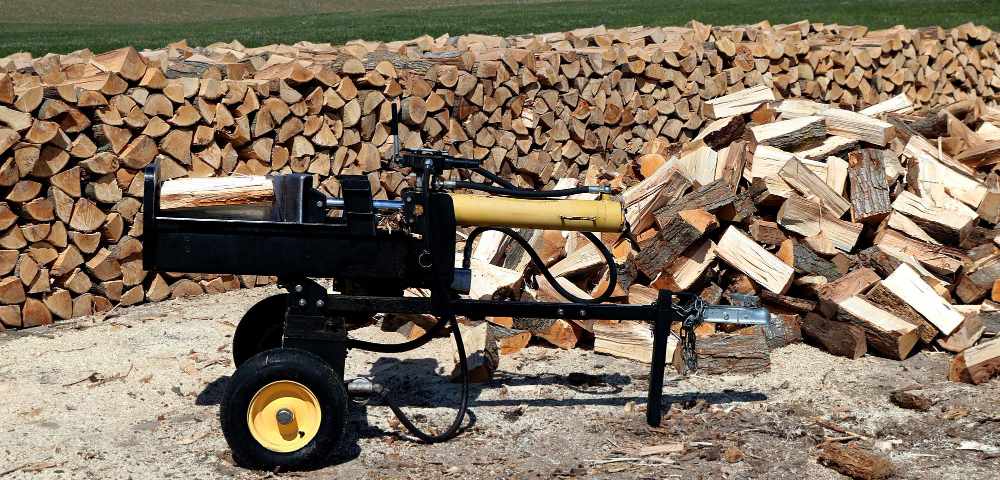
Log splitters are essential tools for quickly and efficiently processing firewood. Whether for personal use or professional work, the hydraulic system is the heart of the log splitter, powering the piston to split logs with precision. Hydraulic oil plays a crucial role in ensuring smooth operation, protecting pumps and cylinders, and maintaining consistent performance under pressure.
Choosing the best hydraulic oil for a log splitter is critical. Using the wrong oil can reduce efficiency, increase wear, and even damage the hydraulic system. This guide provides a detailed look at selecting, maintaining, and using hydraulic oil to get the best performance from your log splitter.
Why Hydraulic Oil Is Essential for Log Splitters
Hydraulic oil does more than transmit power in a log splitter. It also:
- Lubricates moving parts to reduce wear
- Protects against corrosion in pumps and cylinders
- Helps dissipate heat generated under load
- Reduces foaming and maintains consistent pressure
Without the correct hydraulic oil, a log splitter’s performance will decline, resulting in slower operation, increased energy consumption, and potential damage to seals, valves, and the hydraulic pump.
Types of Hydraulic Oil for Log Splitters
Hydraulic oil comes in several types, and the right choice depends on system requirements and operating conditions.
Mineral-Based Hydraulic Oils
Mineral-based oils are the most common and cost-effective option. They provide:
- Good lubrication for most log splitters
- Reliable viscosity at standard operating temperatures
- Easy availability from suppliers
However, mineral oils may require more frequent replacement in very cold or very hot environments because their viscosity can vary with temperature.
Synthetic Hydraulic Oils
Synthetic oils offer superior performance in extreme temperatures. Benefits include:
- Stable viscosity across a wide temperature range
- Improved oxidation and thermal stability
- Enhanced anti-wear and anti-foam properties
Synthetic oils are ideal for log splitters used in cold winters or heavy-duty commercial operations.
Biodegradable Hydraulic Oils
For environmentally sensitive areas, biodegradable hydraulic oils are available. Advantages include:
- Reduced environmental impact in case of leaks
- Good lubrication and anti-wear performance
- Compliance with eco-friendly regulations
Biodegradable oils may be slightly more expensive, but they are a responsible choice for outdoor equipment.
Understanding ISO Viscosity Grades
Selecting hydraulic oil based on ISO viscosity is essential for proper log splitter performance.
ISO viscosity grades indicate how thick or thin the oil is at 40°C. Common grades for log splitters include:
- ISO VG 32 – Thin oil, good for cold weather and smaller splitters
- ISO VG 46 – Medium oil, suitable for standard residential log splitters
- ISO VG 68 – Thicker oil, ideal for heavy-duty or high-temperature use
Using the correct viscosity ensures smooth operation, prevents cavitation in the pump, and protects seals and components.
Seasonal Considerations for Log Splitter Hydraulic Oil
Hydraulic oil behaves differently at various temperatures. Seasonal adjustments may improve performance:
Winter Use
In cold weather, oil thickens, which can slow log splitter operation and stress the pump. Thin hydraulic oil, such as ISO VG 32, helps maintain smooth flow and efficient operation in winter.
Summer Use
In hot weather, oil thins, potentially reducing lubrication and increasing wear. Higher-viscosity oil, such as ISO VG 46 or 68, helps maintain pressure and protects hydraulic components under heat and heavy loads.
Some operators choose multi-grade or all-season hydraulic oils for consistent performance year-round.
Features to Look for in the Best Hydraulic Oil
When selecting hydraulic oil for a log splitter, consider the following features:
- Anti-wear additives – Protect pump and cylinder components under high pressure
- Foam control agents – Prevent foaming and cavitation for consistent operation
- Rust and corrosion inhibitors – Extend the life of metal components
- Thermal stability – Maintain viscosity and performance under heat
- Oxidation resistance – Prolong oil life and reduce sludge formation
Choosing oil with these features ensures reliable operation, reduces maintenance, and prolongs the log splitter’s lifespan.
Recommended Practices for Hydraulic Oil Use
To get the most out of your hydraulic oil:
- Check oil levels regularly – Low oil can cause pump damage and reduced splitting power
- Inspect oil for contamination – Water, dirt, or metal particles reduce performance
- Change oil at recommended intervals – Manufacturer guidance ensures consistent protection
- Use oil from trusted suppliers – Reliable sources like 123 Oil provide high-quality, tested hydraulic oil
Proper care and regular maintenance are as important as selecting the right oil.
Signs Your Hydraulic Oil Needs Replacement
Hydraulic oil degrades over time and under heavy use. Look out for:
- Dark, cloudy, or milky oil – Indicates contamination or water ingress
- Unusual noises from the pump – May indicate inadequate lubrication
- Reduced splitting power – Could be due to thinned or degraded oil
- Foaming in the reservoir – Sign of additive depletion or aeration
Replacing oil promptly prevents damage and ensures smooth operation of the log splitter.
Common Mistakes to Avoid
Some common errors with hydraulic oil use in log splitters include:
- Using engine oil instead of hydraulic oil – Engine oil lacks anti-wear additives and can damage the system
- Mixing oil types – Different formulations can react and reduce performance
- Neglecting seasonal adjustments – Incorrect viscosity in extreme temperatures can stress components
- Overfilling the reservoir – Can cause aeration and foaming
Avoiding these mistakes preserves the hydraulic system and extends the life of your log splitter.
Environmental Considerations
Used hydraulic oil must be disposed of responsibly. Improper disposal can:
- Pollute soil and water
- Harm wildlife
- Violate UK environmental regulations
Always hand over used oil to a licensed Waste Oil Collection Service in the UK, or follow the guidance from hydraulic oil suppliers. Recycling and proper disposal are key to sustainable log splitter operation.
Conclusion
The best hydraulic oil for a log splitter is high-quality, anti-wear hydraulic oil with the correct ISO viscosity grade for your system and operating conditions. Synthetic or biodegradable options may be preferred depending on temperature extremes or environmental concerns.
Proper maintenance, seasonal adjustments, and sourcing oil from trusted suppliers like 123 Oil ensure consistent performance, protect your hydraulic system, and extend the lifespan of your log splitter. Using the right hydraulic oil is an investment in efficiency, safety, and durability.
Frequently Asked Questions
ISO VG 46 is usually ideal for residential log splitters under normal operating temperatures.
No, engine oil lacks the anti-wear and anti-foam additives that are critical for hydraulic system protection.
Follow manufacturer recommendations, typically every 200-300 hours of operation or once per season.
Yes, synthetic oil offers better performance in extreme temperatures and longer service life.
Yes, biodegradable oils are environmentally friendly and perform well, provided the correct ISO grade and anti-wear properties are maintained.