


How to Hide Oil Tank in Garden?
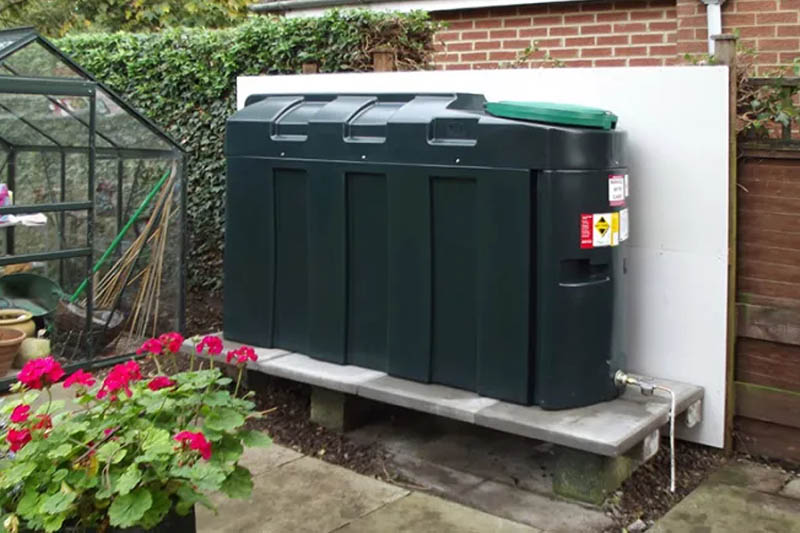
To hide an oil tank in your garden effectively, use fences, wooden or metal screens, or garden sheds while ensuring proper ventilation and easy access. You can also disguise it with shrubs, hedges, or artificial rock covers for a natural look. Always maintain safety compliance, leave space for maintenance, and consult experts like 123 Oil […]
LPG Cylinder Storage: Complete Guide for Safety and Compliance

Liquefied Petroleum Gas (LPG) is a popular and convenient fuel used in households, restaurants, and industries across the UK. From cooking to heating, LPG cylinders provide a reliable energy source. Still, proper storage is essential to ensure safety. Mishandling or improper LPG storage can lead to accidents such as fires, explosions, or gas leaks. This […]
What is Green Diesel?
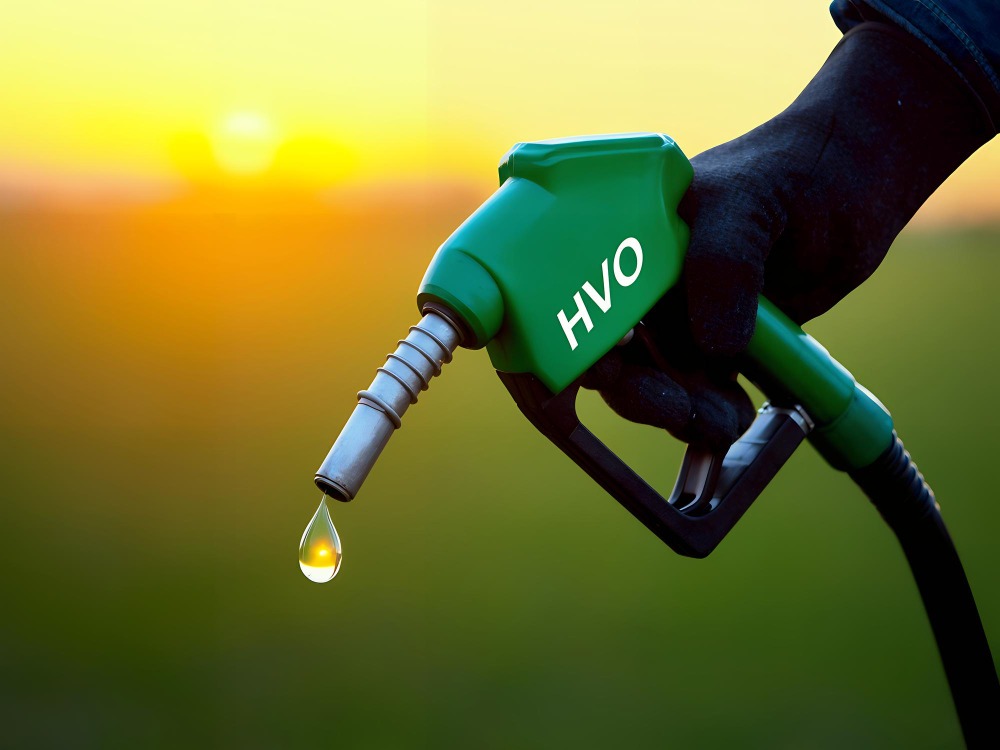
In recent years, the term green diesel has gained popularity as the world moves towards cleaner, renewable energy sources. However, many people still confuse it with red diesel or biofuel. So, what exactly is green diesel? How does it differ from traditional fuels, and is it really as environmentally friendly as it sounds? This comprehensive […]
What Is Low SAPS Oil?

Low SAPS oil stands for Low Sulphated Ash, Phosphorus, and Sulphur. It is specially formulated to protect modern engines with DPFs and catalytic converters, reduce harmful emissions, and maintain fuel efficiency. Using the correct low SAPS engine oil prevents soot build-up, filter blockages, and engine wear, ensuring long-term performance and compliance with environmental standards. Modern […]
White Diesel vs. Red Diesel

White diesel vs. red diesel differ mainly in tax, legal use, and colour. White diesel (standard road fuel) is taxed at full rate and legal for all vehicles, while red diesel (rebated gas oil) is dyed red, cheaper, but restricted to off-road use like farming or construction. Using red diesel on public roads is illegal […]
Flammable vs. Inflammable vs. Combustible

Fire safety terminology can be confusing, especially when it comes to terms like flammable, inflammable, and combustible. They all relate to substances that can catch fire, but their meanings and levels of risk vary. Understanding these differences is vital for safe fuel storage, industrial use, and even household awareness. In this guide, we’ll break down […]
How Does Water Enter a Fuel Tank?

Water enters a fuel tank through condensation, contaminated fuel, rainwater seepage, poor storage, or damaged seals. Temperature changes cause moisture in the air to condense inside the tank, while contaminated fuel or faulty filler caps can also let water in. Improperly sealed or outdoor fuel tanks are especially prone to water entry, leading to corrosion, […]
Is Kerosene Flammable?

Kerosene is combustible, not highly flammable. It has a flash point between 37°C and 65°C, meaning it needs higher temperatures to ignite compared to petrol. While kerosene can burn when exposed to an open flame or heat source, it’s generally safer to handle and store due to its lower volatility. Kerosene has been used for […]
Marine Gas Oil: A Comprehensive Guide

The maritime industry is the backbone of global trade, moving billions of tonnes of goods across the oceans every year. Behind this enormous network lies a critical component that keeps the entire system moving, marine gas oil (MGO). Often referred to as marine diesel oil or ship fuel, this refined fuel is essential for powering […]
Can You Still Buy Red Diesel?

Yes, you can still buy red diesel in the UK, but only for approved sectors such as agriculture, forestry, marine, and rail transport. Using it for other purposes is illegal and can lead to fines or prosecution. Red diesel, also known as gas oil or tractor diesel, has long been a popular fuel in the […]