

When replacing a boiler, you may need a new oil tank if the existing one is old, corroded, leaking, or non-compliant. A new tank should be properly sized, meet OFTEC regulations, and be compatible with your boiler. Replacing or upgrading the tank ensures safety, environmental protection, reliable fuel supply, and improved boiler efficiency. Certified professionals and reputable suppliers like 123 Oil can help assess and install the right tank for your system.
Replacing a boiler is a major home improvement decision for many UK homeowners. It often comes with questions about fuel sources, efficiency, and compatibility with existing systems. One of the most common questions that arises during this process is: Do I need a new oil tank when replacing my boiler? The answer is not always straightforward and depends on several factors, including the age and condition of your current tank, its capacity, and compliance with current safety regulations.
For many households using oil-fired heating, the boiler and tank form a critical system. A well-maintained, correctly sized, and compliant tank ensures the boiler operates efficiently, safely, and reliably. Neglecting the tank during a boiler replacement can lead to reduced efficiency, safety hazards, and even legal non-compliance.
This comprehensive guide explores when to consider a new oil tank during a boiler replacement, the factors that influence the decision, UK legal and safety requirements, and best practices to ensure your home heating system remains safe, efficient, and cost-effective.
Why the Oil Tank Matters When Replacing a Boiler
Your oil tank stores the fuel that powers your heating system. Its condition and compatibility directly affect the new boiler’s performance. A tank in poor condition can cause several problems:
- Leaks or corrosion: leading to environmental contamination
- Sediment accumulation: potentially blocking fuel lines and damaging the boiler
- Insufficient capacity: causing frequent refills and inconvenience
- Non-compliance with modern regulations: risking fines or insurance issues
Replacing a boiler without assessing the tank could result in operational inefficiencies, higher running costs, and the need for unexpected maintenance shortly after installation.
When You Should Definitely Replace Your Oil Tank
Not every boiler replacement requires a new tank. However, certain conditions make replacement strongly recommended:
- Old or corroded tanks: steel tanks over 15–20 years old often suffer from rust or thinning walls
- Visible leaks or stains: signs of seepage indicate the tank is no longer reliable
- Non-compliant tanks: older single-skin tanks may not meet current OFTEC regulations
- Capacity issues: if the new boiler is more efficient, a larger or smaller tank may be better suited
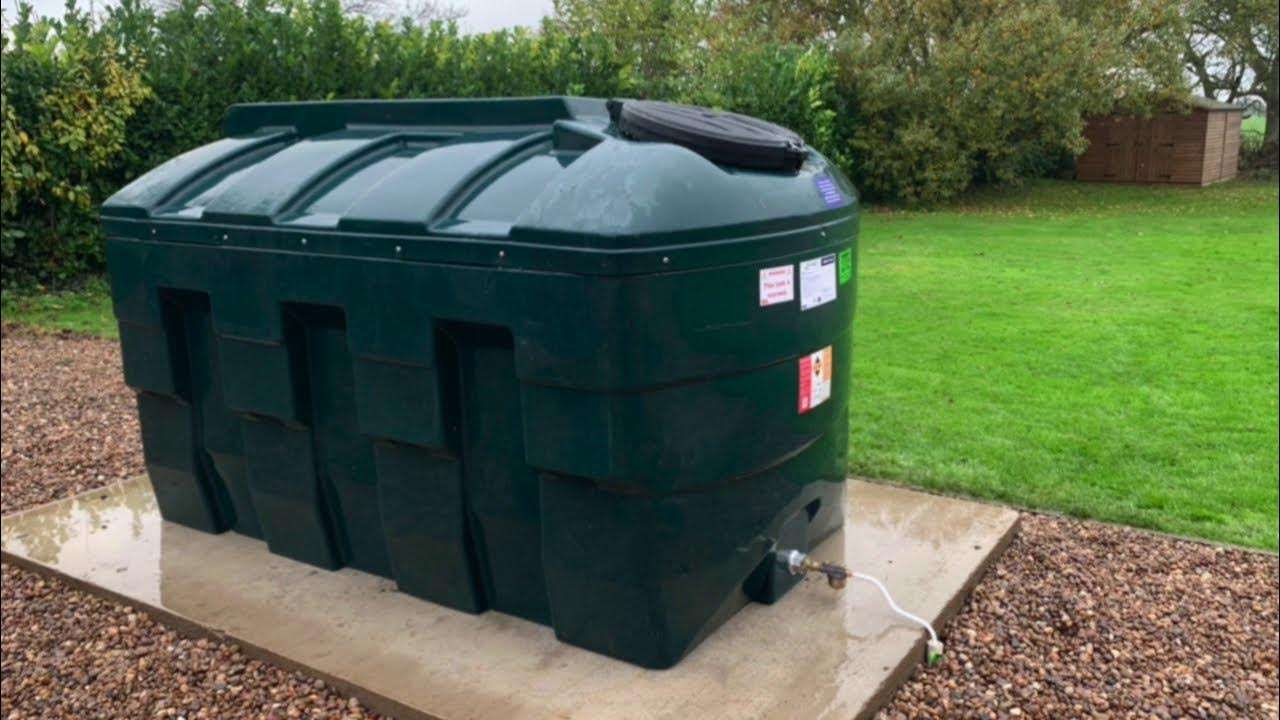
- Environmental concerns: bunded tanks (double-skinned) are increasingly recommended for protecting soil and water
A tank replacement in these scenarios ensures your new boiler operates safely, efficiently, and in line with modern safety standards.
Factors to Consider Before Deciding
Tank Age and Material
- Steel tanks: susceptible to rust over time, often requiring replacement after 15–20 years
- Plastic tanks: generally more resistant to corrosion, but can degrade in extreme conditions
- Bunded tanks: double-skinned designs are preferred for modern installations and environmental safety
Distance and Placement
Modern boiler installations may require the tank to be positioned differently. Key considerations include:
- Distance from the new boiler: to ensure proper fuel pressure and pipe lengths
- Accessibility for deliveries: tanker hoses must reach the fill point safely
- Compliance with building regulations: minimum distances from buildings, fences, and watercourses
Fuel Consumption and Boiler Efficiency
Newer boilers are typically more efficient and may use less oil. While this might suggest the current tank is adequate, the fuel demand and refill frequency must be assessed.
- Small tanks may require more frequent deliveries
- Larger tanks may be preferable to reduce delivery costs and ensure uninterrupted heating
- Bunded tanks offer both protection and adequate storage for modern heating systems
Environmental and Insurance Considerations
- Bunded or double-skinned tanks protect the environment from leaks
- Insurance policies may require compliant tanks for coverage
- Non-compliant tanks can invalidate home insurance if damage occurs
Ensuring that the tank meets current regulations is vital not only for safety but also for legal and financial protection.
Practical Steps to Take When Replacing a Boiler
Step 1: Assess the Existing Tank
- Check for rust, corrosion, or leaks
- Inspect pipework and valves for wear
- Confirm tank capacity meets your household’s fuel demand
- Ensure it complies with current OFTEC and building regulations
Step 2: Consult Your Boiler Installer
- Inform your installer about your current tank
- Discuss potential upgrades or relocation
- Assess whether a new tank is required for optimal boiler performance
Step 3: Decide on Tank Replacement or Upgrade
- Replace the tank if it is old, corroded, or non-compliant
- Consider upgrading to a bunded tank for environmental safety
- Verify delivery and installation logistics
Step 4: Professional Installation
- Always use certified OFTEC technicians for installation
- Ensure tank is on a level, non-combustible base
- Connect pipework, valves, and safety devices according to regulations
- Pressure test the system to confirm proper operation
Step 5: Monitor and Maintain
- Regularly inspect the tank for damage, leaks, and corrosion
- Keep a record of fuel deliveries
- Maintain a safe distance between the tank and the new boiler
- Schedule annual inspections by a certified professional
Benefits of Replacing the Oil Tank during Boiler Installation
Replacing the tank at the same time as the boiler offers several advantages:
- Improved safety: reduces risk of leaks or fire hazards
- Better efficiency: compatible tank size ensures a consistent fuel supply
- Compliance with regulations: prevents future legal issues
- Reduced maintenance: fewer unexpected repairs or downtime
- Peace of mind: knowing both the boiler and tank are modern and reliable
Many homeowners find it convenient and cost-effective to address both components together rather than stagger replacements.
How to Choose the Right Oil Tank
Tank Material
- Steel: durable but prone to rust
- Plastic (polyethene): corrosion-resistant and lightweight
- Bunded/double-skinned: recommended for environmental protection and insurance compliance
Tank Capacity
- Typical domestic tanks range from 1,000 to 3,000 litres
- Consider household size, heating demand, and refill frequency
Safety Features
- Tamper-proof caps
- Secure locks
- Vents and overfill protection
- Bunding or containment trays
Environmental and Legal Considerations
Oil spills can have severe consequences for the environment and may incur fines. Modern regulations and best practices recommend:
- Bunded tanks to capture leaks
- Safe distances from drains, watercourses, and boundaries
- Regular inspections to detect early signs of corrosion or damage
- Using licensed suppliers like 123 Oil for fuel delivery ensures compliance and reduces theft risk
Signs You Need a New Tank
Even if your tank is not very old, the following signs indicate replacement may be necessary:
- Rust or corrosion on walls or seams
- Leaks or damp spots around the base
- Frequent boiler fuel issues
- Tank capacity insufficient for your household needs
- Non-compliance with updated regulations
Ignoring these signs may shorten your new boiler’s lifespan and increase maintenance costs.
Conclusion
Deciding whether you need a new oil tank when replacing a boiler depends on the age, condition, compliance, and capacity of your existing tank. While not every boiler replacement requires a new tank, careful evaluation ensures safety, efficiency, and long-term cost savings.
Replacing or upgrading your tank alongside a new boiler ensures your system is modern, compliant, and capable of providing reliable heating year-round. By working with certified professionals and reputable suppliers like 123 Oil, homeowners can enjoy peace of mind, improved efficiency, and reduced risk of leaks, theft, or operational issues.
Proper planning, professional installation, and regular maintenance will help your heating system function safely and efficiently for many years to come, providing warmth and comfort for your household without unexpected interruptions.
Frequently Asked Questions
Not always. Replacement is needed if the existing tank is old, corroded, damaged, or non-compliant with UK regulations.
Check for capacity, structural integrity, and material condition, and ensure it meets OFTEC and building regulations.
Yes, if the tank is in good condition, compliant, and adequate for fuel demand, it can be retained with a new boiler.
Bunded or double-skinned tanks are recommended for safety, environmental protection, and insurance compliance.
Yes, a well-maintained, correctly sized, and compliant tank ensures a consistent fuel supply, improving boiler performance and efficiency.