


Biodiesel reduces carbon emissions by using renewable feedstocks like vegetable oils, animal fats, and recycled oils, which absorb CO₂ during growth. It also produces cleaner combustion, lowering carbon dioxide, particulate matter, and carbon monoxide emissions, making it a more sustainable and environmentally friendly alternative to conventional diesel.
Climate change and air pollution are major concerns in today’s world, prompting a shift towards cleaner and more sustainable fuels. Biodiesel has emerged as a popular alternative to traditional fossil fuels because it can reduce carbon emissions while still providing reliable energy for vehicles, machinery, and industrial applications. Understanding how biodiesel reduces carbon emissions is crucial for businesses, policymakers, and environmentally conscious individuals.
This comprehensive guide explores the science behind biodiesel, its environmental benefits, usage, and practical considerations. Written in clear British English, it is designed to be highly readable and informative.
What Is Biodiesel?
Biodiesel is a renewable, biodegradable fuel made from vegetable oils, animal fats, or recycled cooking oils. Unlike conventional diesel, which is derived from crude oil, biodiesel is produced through a process called transesterification, in which fats and oils are converted into fatty acid methyl esters (FAMEs).
Key characteristics of biodiesel include:
- Renewable and sustainable origin
- Compatibility with most diesel engines
- Biodegradability and lower environmental impact
- Reduced greenhouse gas emissions compared to petroleum diesel
Biodiesel can be used in pure form (B100) or blended with conventional diesel at various ratios, such as B20 (20% biodiesel, 80% diesel), making it versatile for different applications.
How Biodiesel Reduces Carbon Emissions
Biodiesel reduces carbon emissions in several ways. Understanding these mechanisms requires examining both the fuel cycle and the combustion process.
1. Lower Carbon Intensity
Biodiesel is produced from plants or organic waste, which absorb carbon dioxide (CO₂) from the atmosphere during growth. This creates a carbon-neutral cycle, where the CO₂ released during combustion roughly equals the CO₂ absorbed during feedstock cultivation.
Compared to fossil diesel, which releases ancient carbon stored underground, biodiesel significantly reduces net carbon emissions, helping to mitigate climate change.
2. Reduced Particulate and Carbon Monoxide Emissions
When burned in diesel engines, biodiesel produces lower levels of particulate matter (PM) and carbon monoxide (CO) than petroleum diesel. Particulates contribute to air pollution and respiratory problems, while CO is a toxic gas. By reducing these emissions, biodiesel not only lowers carbon footprints but also improves local air quality.
3. Lower Lifecycle Greenhouse Gas Emissions
Several studies in the UK and Europe have shown that biodiesel can reduce lifecycle greenhouse gas emissions by up to 80% compared to conventional diesel. Lifecycle emissions include:
- Cultivation and harvesting of feedstock
- Production and processing of biodiesel
- Transportation and combustion in engines
This means that, from production to use, biodiesel has a much smaller overall environmental impact.
4. Reduction of Sulphur Oxides
Although sulphur oxides (SOx) are not carbon emissions, they contribute indirectly to climate change and acid rain. Biodiesel has very low sulphur levels, further enhancing its environmental profile and reducing the overall pollutant load from diesel engines.
5. Improved Engine Efficiency
Biodiesel has a slightly higher cetane number than petroleum diesel, which can improve combustion efficiency. Better combustion results in more complete fuel burning, reducing the formation of unburned hydrocarbons and further lowering CO₂ emissions.
Types of Biodiesel
Biodiesel comes in several forms, depending on the feedstock and production process.
1. Vegetable Oil-Based Biodiesel
Made from oils such as rapeseed, soybean, or sunflower oil, this is the most common type of biodiesel in the UK. Benefits include:
- Sustainable production from crops
- High cetane number for efficient combustion
- Low sulphur content
2. Animal Fat-Based Biodiesel
Derived from tallow or other animal fats, this type utilises by-products of the meat industry, reducing waste and contributing to a circular economy.
3. Waste Cooking Oil Biodiesel
Recycled cooking oils are transformed into biodiesel, providing a sustainable solution for waste management while lowering carbon emissions. This approach is increasingly popular in urban areas and the catering industries.
4. Algae-Based Biodiesel
A newer, innovative option, algae-based biodiesel has high oil yields and can be produced on non-arable land, offering a significant potential for carbon-neutral fuel production in the future.
Blends and Usage
Biodiesel is commonly blended with conventional diesel to balance performance, cost, and emissions reduction. Common blends include:
- B5 (5% biodiesel, 95% diesel) – minor emissions benefits, fully compatible with all diesel engines
- B20 (20% biodiesel, 80% diesel) – widely used in commercial fleets, significant reduction in CO₂
- B100 (100% biodiesel) – maximum environmental benefit but may require engine modifications or precautions in cold weather
Blending ensures that even small-scale adoption of biodiesel contributes to carbon reduction without major infrastructure changes.
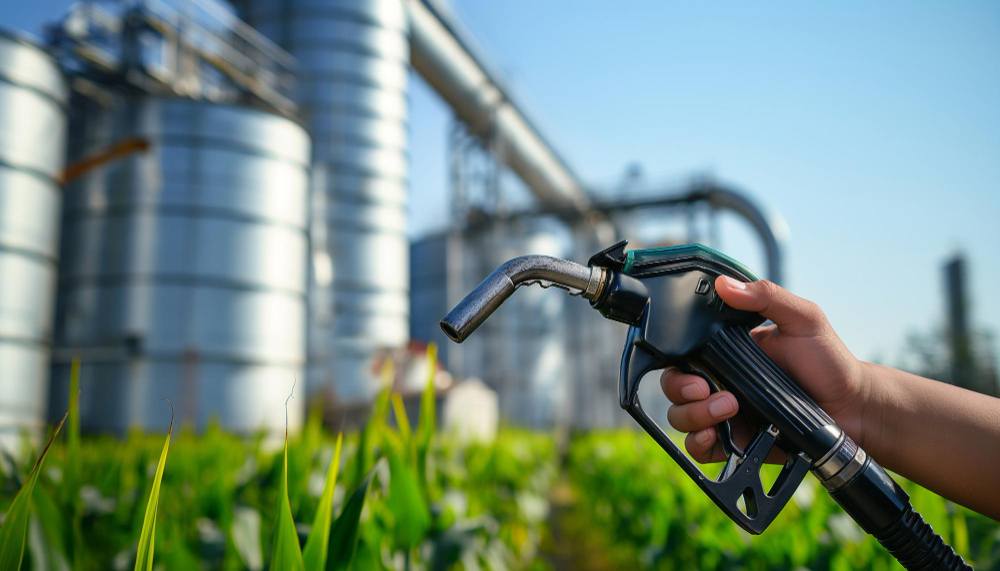
Environmental Benefits of Biodiesel
Beyond carbon reduction, biodiesel offers several environmental advantages:
- Biodegradable and non-toxic, reducing environmental damage in case of spills
- Reduced particulate matter, improving air quality in urban areas
- Lower carbon monoxide and unburned hydrocarbons, making it healthier for people
- Supports sustainable agriculture and waste utilisation, creating a circular economy
These benefits make biodiesel an environmentally responsible fuel choice for transport and industry.
Economic Benefits and Incentives
Biodiesel not only reduces emissions but can also provide economic advantages:
- Supports local agriculture and creates jobs in biofuel production
- Reduces reliance on imported fossil fuels, improving energy security
- Eligible for government incentives in the UK, such as grants for renewable fuel adoption
- Potential fuel cost savings when waste oils are used as feedstock
Companies and fleet operators can benefit both financially and environmentally by adopting biodiesel.
Challenges and Considerations
While biodiesel offers many benefits, there are challenges to consider:
- Cold weather performance – biodiesel can gel at low temperatures; additives may be needed
- Compatibility – older engines may require modifications or seal replacement
- Feedstock sourcing – using crops for fuel can compete with food production if not managed sustainably
- Storage stability – biodiesel can oxidise and degrade over time, requiring proper storage
Addressing these challenges ensures safe, efficient, and sustainable use of biodiesel.
How Businesses Can Implement Biodiesel
Fleet operators, shipping companies, and logistics providers can implement biodiesel by:
- Starting with low-level blends (B5 or B20) to test performance
- Monitoring engine performance and fuel system components
- Training staff on handling and storage
- Sourcing high-quality biodiesel from reputable suppliers like 123 Oil
- Tracking emissions to measure carbon reductions
Gradual adoption allows businesses to transition smoothly while maximising environmental benefits.
Future of Biodiesel
Biodiesel is expected to play an increasing role in the UK’s efforts to reduce greenhouse gas emissions and achieve net-zero targets. Innovations include:
- Next-generation biodiesel from algae and non-food crops
- Integration with hybrid and electric vehicles for combined emissions reductions
- Improved production technologies to lower costs and increase yield
- Expansion of waste-to-fuel programmes in urban and industrial areas
Biodiesel is part of a broader sustainable energy strategy that balances environmental, economic, and social benefits.
Final Thoughts
So, how does biodiesel reduce carbon emissions? Biodiesel lowers carbon emissions through a combination of carbon-neutral feedstocks, cleaner combustion, lower particulate and CO2 emissions, and more efficient fuel use. Its renewable nature, environmental benefits, and compatibility with existing diesel engines make it a viable alternative to fossil fuels.
By adopting biodiesel blends, properly maintaining engines, and sourcing fuel responsibly from trusted suppliers like 123 Oil, individuals and businesses can significantly reduce carbon emissions, improve air quality, and support a sustainable future. Biodiesel is more than just an alternative fuel, it is a practical solution for climate change mitigation and environmental stewardship.
Frequently Asked Questions
Biodiesel reduces carbon emissions by using renewable feedstocks that absorb CO₂ during growth and by producing cleaner combustion with fewer greenhouse gases.
Yes, most diesel engines can run on low to moderate biodiesel blends (B5–B20), while higher blends may require engine modifications or precautions in cold weather.
Biodiesel can be made from vegetable oils, animal fats, recycled cooking oils, and algae, all of which contribute to carbon-neutral fuel production.
Yes, biodiesel lowers particulate matter, carbon monoxide, and unburned hydrocarbons, improving air quality and reducing health impacts.
Yes, biodiesel is renewable, biodegradable, and low in sulphur, making it a more environmentally friendly alternative to fossil diesel.