


Biodiesel is better for the environment because it is renewable, biodegradable, and low in sulphur, reducing carbon emissions, particulate matter, and carbon monoxide. It uses plants or recycled oils that absorb CO₂ during growth, promotes sustainable resource use, and improves air quality, making it a cleaner and environmentally friendly alternative to conventional diesel.
With climate change, air pollution, and rising greenhouse gas emissions becoming urgent global issues, the search for environmentally friendly fuels has intensified. Biodiesel has emerged as a promising alternative to traditional fossil fuels. Many people ask, “Is biodiesel better for the environment?” The answer lies in its renewable nature, reduced emissions, and sustainable production methods.
This comprehensive guide explores the environmental benefits of biodiesel, its uses, and practical considerations. Written in clear British English, it provides a thorough understanding for businesses, fleet operators, and environmentally conscious individuals.
What Is Biodiesel?
Biodiesel is a renewable, biodegradable fuel made from organic sources such as vegetable oils, animal fats, or recycled cooking oils. Unlike conventional diesel derived from crude oil, biodiesel is produced through transesterification, which converts fats and oils into fatty acid methyl esters (FAME) suitable for diesel engines.
Key properties of biodiesel include:
- Renewable origin – sourced from plants and waste materials
- Biodegradable and non-toxic – reduces environmental damage in case of spills
- Compatibility with diesel engines – can be used in pure form or blended
- Lower carbon footprint – contributes to greenhouse gas reduction
Biodiesel can be used as B100 (100% biodiesel) or blended with conventional diesel in ratios such as B20 (20% biodiesel, 80% diesel), offering flexibility and environmental benefits.
How Biodiesel Supports Environmental Sustainability
Biodiesel is widely recognised for its environmental advantages. Here’s how it contributes to sustainability:
1. Carbon-Neutral Fuel Cycle
One of the main reasons biodiesel is better for the environment is its carbon-neutral cycle. Plants used for biodiesel feedstocks, such as rapeseed, soybean, or algae, absorb carbon dioxide (CO₂) from the atmosphere during growth. When biodiesel is burned, the CO₂ released is roughly equivalent to the CO₂ absorbed, creating a balanced carbon cycle.
Unlike fossil diesel, which releases ancient carbon stored underground, biodiesel does not contribute significantly to net greenhouse gas accumulation. This makes it a viable strategy for reducing climate impact.
2. Reduced Greenhouse Gas Emissions
Biodiesel has been shown to reduce lifecycle greenhouse gas emissions by up to 80% compared to petroleum diesel. Lifecycle emissions include:
- Cultivation of feedstock
- Production and processing of biodiesel
- Transportation and combustion in engines
This reduction significantly mitigates global warming potential, particularly when used in transportation fleets and industrial applications.
3. Lower Particulate Matter and Carbon Monoxide
Biodiesel combustion produces fewer particulate matter (PM) and carbon monoxide (CO) compared to conventional diesel. Particulate matter contributes to air pollution and respiratory issues, while CO is a toxic gas. By reducing these emissions, biodiesel improves local air quality and contributes to healthier environments.
4. Reduced Sulphur Oxides
Sulphur oxides (SOx) contribute to acid rain and environmental degradation. Biodiesel contains very low sulphur levels, helping to reduce the formation of acidic compounds in the atmosphere. This is especially important for areas close to urban centres or sensitive ecosystems.
5. Biodegradability and Safety
Unlike fossil diesel, which can cause long-lasting environmental damage if spilt, biodiesel is biodegradable and non-toxic. This property makes waterways, soil, and wildlife safer, reducing the environmental risks associated with fuel transport and storage.
6. Promotes Waste Utilisation
Biodiesel can be produced from recycled cooking oils and animal fats, creating a circular economy where waste products are repurposed as energy. This reduces landfill usage, prevents improper disposal, and minimises environmental contamination.
Types of Biodiesel and Their Environmental Benefits
Biodiesel comes in various forms, each with unique environmental advantages:
1. Vegetable Oil-Based Biodiesel
Produced from oils such as rapeseed, soybean, and sunflower, this type supports renewable agriculture and contributes to carbon-neutral fuel cycles. It also provides clean combustion with minimal sulphur content.
2. Animal Fat-Based Biodiesel
Made from tallow or other animal by-products, this biodiesel reduces waste in the meat industry and converts it into eco-friendly fuel, cutting down reliance on fossil fuels.
3. Waste Cooking Oil Biodiesel
Recycled cooking oil biodiesel is an innovative, environmentally friendly solution that tackles both fuel needs and waste management. It prevents waste from entering landfills or sewage systems while providing low-emission fuel.
4. Algae-Based Biodiesel
Algae can produce high-yield oils without using arable land, making it a sustainable, scalable source of biodiesel. It has the potential to reduce greenhouse gas emissions and meet future energy demands significantly.
Biodiesel Blends and Environmental Impact
Biodiesel is often blended with conventional diesel to balance performance, cost, and environmental benefits:
- B5 (5% biodiesel, 95% diesel) – minor emissions reduction, fully compatible with all engines
- B20 (20% biodiesel, 80% diesel) – significant reduction in carbon emissions and pollutants
- B100 (100% biodiesel) – maximum environmental benefit, but may require engine adjustments
Even low-level blends contribute to reducing carbon emissions, making biodiesel adoption feasible for fleets and commercial operators.
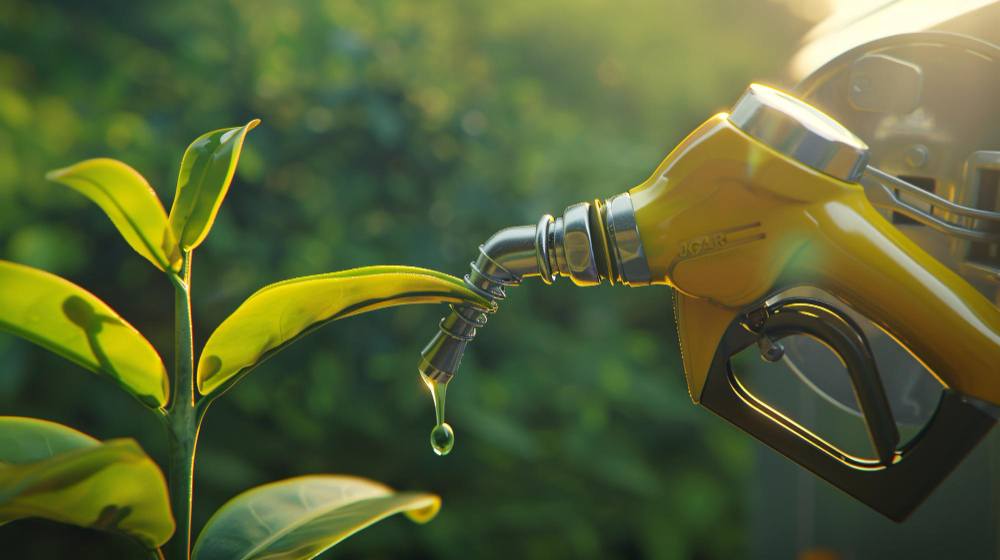
Energy Efficiency and Engine Performance
Biodiesel not only reduces emissions but can also improve engine efficiency. Its higher cetane number ensures better combustion, leading to:
- Reduced unburned hydrocarbons
- Lower particulate emissions
- Smoother engine operation
Efficient combustion maximises energy use while minimising environmental impact, reinforcing biodiesel’s position as a green fuel alternative.
Policy and Regulatory Support
The UK and EU support biodiesel adoption through incentives, tax breaks, and renewable energy mandates. Policies encourage businesses to adopt renewable fuels, reducing dependence on fossil diesel and promoting sustainability.
Using biodiesel aligns with global goals to reduce carbon emissions, achieve net-zero targets, and improve air quality in urban and industrial areas.
Challenges and Considerations
While biodiesel is better for the environment, some challenges must be considered:
- Cold weather gelling – biodiesel can solidify in low temperatures, requiring additives
- Engine compatibility – older diesel engines may need adjustments for higher blends
- Feedstock sustainability – using crops for fuel may compete with food production if not managed responsibly
- Storage stability – biodiesel can oxidise over time, requiring proper storage and handling
Addressing these challenges ensures long-term benefits for both the environment and fuel users.
Practical Steps for Environmental Adoption
Businesses and individuals can maximise biodiesel’s environmental benefits by:
- Using high-quality biodiesel blends sourced from trusted suppliers like 123 Oil
- Regularly monitoring engine performance and fuel systems
- Implementing proper storage and handling procedures
- Transitioning gradually from conventional diesel to higher biodiesel blends
- Encouraging fleet-wide adoption to achieve significant carbon reduction
These steps help integrate biodiesel into operations in a sustainable and effective way.
Economic and Environmental Synergy
Using biodiesel offers both economic and environmental advantages:
- Reduced carbon emissions – supports environmental goals and regulatory compliance
- Lower particulate emissions – reduces health and environmental risks
- Supports local agriculture and waste management – creates jobs and circular economy benefits
- Potential fuel cost savings – particularly when using recycled oils
By adopting biodiesel, operators can achieve financial savings while promoting sustainability.
Future of Biodiesel and Environmental Impact
Biodiesel is poised to play an increasing role in the global transition to cleaner energy. Future developments include:
- Next-generation biodiesel from algae and non-food crops
- Hybrid fuel systems combining biodiesel and renewable electricity
- Advanced production technologies to improve efficiency and reduce cost
- Expansion of waste-to-fuel programmes in urban and industrial settings
These innovations will further enhance biodiesel’s ability to reduce carbon emissions and protect the environment.
Final Thoughts
So, is biodiesel better for the environment? Absolutely. Biodiesel supports a carbon-neutral cycle, reduces greenhouse gas emissions, lowers pollutants, and promotes sustainable resource use. Its renewable nature, biodegradability, and compatibility with existing diesel engines make it a practical and environmentally responsible fuel choice.
By adopting biodiesel, monitoring engine performance, and sourcing fuel responsibly from suppliers like 123 Oil, businesses and individuals can contribute to a cleaner, healthier, and more sustainable environment. Biodiesel is not just an alternative fuel; it is a strategic solution for reducing carbon emissions and protecting our planet.
Frequently Asked Questions
Yes, biodiesel is renewable, biodegradable, and produces fewer greenhouse gases, making it a more environmentally friendly alternative to fossil diesel.
Biodiesel reduces carbon emissions by using plants and waste oils that absorb CO₂ during growth and by producing cleaner combustion with fewer pollutants.
Yes, biodiesel reduces particulate matter, carbon monoxide, and unburned hydrocarbons, improving local air quality and reducing health risks.
Biodiesel can be made from vegetable oils, animal fats, recycled cooking oils, and algae, all of which contribute to a more sustainable fuel cycle.
Most engines can use low- to moderate-blend fuels (B5–B20) without modifications, while higher blends may require engine adjustments or cold-weather precautions.