

An oil boiler typically lasts between 10 and 15 years, although well-maintained systems can last 20 years or more. Regular servicing, proper installation, clean heating oil and system maintenance all help extend the boiler’s lifespan and prevent costly breakdowns.
For many households across the UK, an oil boiler remains a reliable and effective heating solution, especially in rural locations without access to the mains gas grid. Yet, like any major household appliance, oil boilers do not last forever. Many homeowners eventually ask the same question: How long does an oil boiler last, and how can I extend its lifespan?
Understanding the average lifespan of an oil boiler, how maintenance affects it, what signs indicate it may be nearing the end, and when it becomes more economical to replace it rather than repair it can help you make informed decisions for your home and budget. This long-form guide explains everything you need to know in detail.
Understanding the Average Oil Boiler Lifespan
In the UK, the average oil boiler lasts 10-15 years. Some models can remain operational for more than 20 years, while others may fail much sooner if poorly maintained. Several variables influence the lifespan, including:
- How often the boiler is used
- Quality of installation
- Frequency of servicing and maintenance
- Water quality and system flushing
- Make and build quality of the boiler
- How quickly faults are addressed
Regular care and prompt repairs are key factors in pushing the lifespan towards the top end of the scale.
Why Oil Boilers Have Long Lifespans
Oil boilers are known for their durability. Compared to some gas or electric heating systems, oil-fired units tend to be built with heavier-duty components and fewer flimsy internal parts. The heating process in an oil boiler is also relatively straightforward, so fewer things can go wrong if the system is properly cared for.
Boilers with cast-iron heat exchangers, for example, tend to last longer because the material is extremely robust and corrosion-resistant. Meanwhile, modern condensing oil boilers offer greater efficiency, lowering strain on internal components and making them more sustainable to run.
Factors That Affect the Lifespan of an Oil Boiler
Installation Quality
Even the best boiler in the world will not perform well if installed incorrectly. Poor placement, inadequate ventilation, incorrect flue setup or faulty pipework can all cause excessive wear and premature breakdowns. A qualified installer is essential to ensure proper commissioning and compliance with UK building and energy regulations.
Regular Servicing
Routine servicing is the single most important factor in extending an oil boiler’s lifespan. Annual services allow engineers to:
- Clean filters and burner nozzles
- Remove soot build-up
- Check the heat exchanger
- Inspect safety devices
- Ensure oil lines are free of debris
- Monitor combustion efficiency
Skipping annual servicing can lead to higher fuel consumption, increased emissions, faster component failure and a shorter system life.
Water and System Quality
Sludge, limescale and corrosion can severely damage boiler internals. A corroded heat exchanger is one of the most common reasons boilers need to be replaced. Regular system flushing, inhibitor chemicals and proper radiator bleeding all help maintain system cleanliness.
Type of Oil Used
Quality home heating oil burns cleaner and leaves fewer deposits. Contaminated or old oil can clog filters, affect combustion performance and reduce boiler life. A well-maintained oil tank also prevents water contamination and rust issues.
Usage Frequency
A boiler operating continuously throughout winter in a large home will experience more stress than one used seasonally or more lightly. However, prolonged inactivity can also cause components to seize, so occasional use or proper storage procedures are important.
How to Extend the Life of Your Oil Boiler
Book Annual Professional Services
Every oil boiler should be professionally serviced at least once a year. Engineers clean and inspect components, confirm performance and diagnose issues before they turn into costly breakdowns. This alone can add years to a system’s life.
Bleed Radiators and Balance the System
Radiator cold spots and gurgling noises often point to trapped air or sludge. Regular bleeding and periodic balancing ensure heat is distributed evenly, preventing the boiler from overworking.
Install Magnetic Filters
A magnetic filter helps capture metal particles circulating through the heating system. This prevents blockages and protects the pump, heat exchanger and valves from long-term damage.
Treat the Water in the Heating System
Corrosion inhibitors help reduce sludge formation and pipe corrosion. They should be checked and replaced periodically as recommended by your heating engineer.
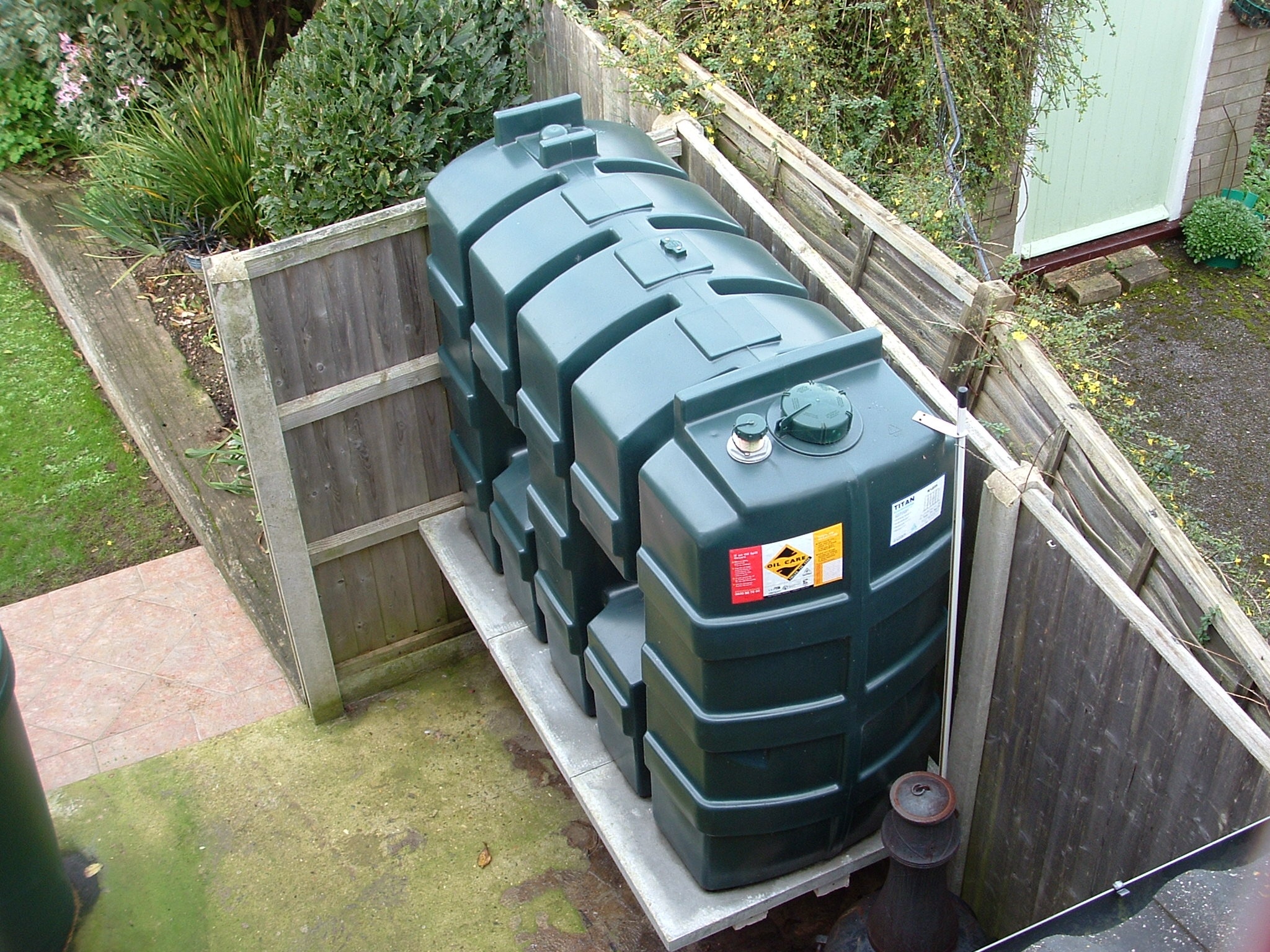
Keep the Oil Tank in Good Condition
Inspect your oil tank regularly for:
- Water contamination
- Rust or structural failure
- Sludge deposits
- Faulty connections
If the tank fails, fuel contamination may reach the boiler, causing damage
Common Signs an Oil Boiler May Be Nearing the End
Rising Energy Bills
If your boiler is consuming more oil than before to produce the same heat, it may be losing efficiency due to worn components or internal build-up.
Frequent Repairs
When call-outs become regular and costly, replacing the boiler is usually more economical.
Strange Noises
Banging, whistling, grinding or popping noises can indicate:
- Scale build-up
- Pump failure
- Burner deterioration
- Air in the system
Some issues are repairable, but recurring noises often signal ageing internal parts.
Hot and Cold Spots in the Home
If certain rooms are not heating effectively, the boiler may be struggling to operate at full capacity. Sludge or wear in the heat exchanger can significantly affect output.
Slow Heat Delivery
If radiators take much longer to warm up than before, efficiency is dropping, and a replacement may soon be needed.
Rust, Leaks or Corrosion
Visible corrosion around the boiler casing, pipework or heat exchanger is a major warning sign. Leaks should never be ignored, as they can damage flooring, because pressure drops and lead to system failure.
When Should You Replace an Oil Boiler?
While repairs may keep an old boiler going, replacing it is usually the better decision if:
- It is more than 15 years old
- It frequently breaks down
- Repairs are becoming expensive
- It has low energy efficiency (G-rated or older)
- The heat exchanger has failed
- Replacement parts are difficult to source
Replacing an older boiler with a new condensing model can reduce oil consumption by up to 20%, meaning the investment pays for itself over time.
Costs Associated with Replacing an Oil Boiler
The cost of installing a new oil boiler in the UK varies based on:
- Size and output (kilowatts)
- Brand and model
- Installation complexity
- Need for new flue or system upgrades
- Additional smart controls or thermostats
Typically, homeowners can expect to pay between £2,500 and £5,500, including installation. While this is a significant investment, improved energy efficiency, reduced running costs, and fewer repairs can make it worthwhile.
The Role of Modern Technology
New oil boilers have evolved significantly from earlier models. Modern systems often include:
- Condensing technology
- Advanced digital thermostats
- Smart controls
- Improved burner efficiency
- Lower emissions
- Better heat retention
They offer a cleaner burn, lower fuel consumption and a reduced environmental footprint while lasting longer when properly maintained.
How Long Do Oil Boiler Parts Last?
Not every component wears out at the same pace. Some parts commonly require replacement sooner than others:
- Burner nozzles: Every 1–2 years
- Pumps and motors: 5–10 years
- Thermostats and controls: Around 10 years
- Heat exchangers: 10–20+ years depending on care
- Filters: Cleaned or replaced annually
Replacing components as required helps maintain boiler performance and extend its overall lifespan.
What Happens if You Don’t Service an Oil Boiler?
Failing to service your boiler annually can lead to:
- Higher fuel consumption
- Reduced efficiency
- Increased emissions
- Blocked filters and contaminants
- Sludge and corrosion damage
- Breakdown of crucial components
- Shortened boiler life
Regular servicing is low-cost compared to replacing a major appliance prematurely.
Can an Oil Boiler Last 25 Years?
With excellent maintenance, high-quality installation and favourable usage conditions, some oil boilers can last 20–25 years. However, by that point, most will be far less efficient than modern models. Even if yours continues working, replacement often makes long-term financial sense due to lower fuel costs and better performance.
Final Thoughts
So, how long does an oil boiler last? The typical lifespan of an oil boiler in the UK is around 10 to 15 years, although it can last significantly longer with proper installation, regular servicing and ongoing system maintenance. Investing in professional care, using high-quality heating oil, and addressing faults promptly are the best ways to extend the life of your heating system. When repairs become frequent or running costs rise sharply, consider upgrading to a modern, energy-efficient model.
If you require professional heating oil supply, delivery or advice, 123 Oil can help ensure your system always runs at its best. A well-maintained boiler not only lasts longer but also keeps your home warm, efficient and safe year after year.
Frequently Asked Questions
Most oil boilers in the UK last 10-15 years on average, though well-maintained units can operate for 20 years or more. Factors such as installation quality, servicing frequency and heating usage all influence how long a boiler remains reliable.
Annual servicing, bleeding radiators, maintaining clean filters, treating the heating system with corrosion inhibitors and ensuring the oil tank remains in good condition all help extend a boiler’s lifespan and prevent costly breakdowns.
Common signs include rising fuel bills, frequent repairs, inconsistent heat output, loud noises, visible corrosion, leaks and difficulty sourcing replacement parts. If the boiler is over 15 years old, replacement is often more cost-effective.
Yes, many faults, such as pump issues, blocked filters, or burner problems, can be repaired. However, if the heat exchanger fails, repairs are becoming costly, or the boiler is outdated and inefficient, replacing it is usually the better long-term decision.
Upgrading can be highly beneficial, especially if your current boiler is old, inefficient or unreliable. Modern oil boilers offer improved combustion, lower fuel consumption, and better heating control and reduced emissions, making them more economical over their lifetime.