


The amount of AdBlue to add depends on your vehicle’s tank size and consumption rate. Most passenger cars require 12–24 litres per refill, while vans and trucks may need more. Check dashboard warnings to avoid running low, and always use ISO 22241-certified AdBlue to maintain SCR system performance and legal compliance.
AdBlue has become an essential part of modern diesel vehicles in the United Kingdom. Designed to reduce harmful nitrogen oxide (NOx) emissions, AdBlue ensures diesel engines comply with stringent Euro 6 standards. One of the most common questions among diesel car owners is, “How much AdBlue should I add?” Understanding the correct amount, consumption rates, and refilling procedures is crucial for maintaining vehicle performance, staying legally compliant, and avoiding costly repairs.
This guide covers everything you need to know about AdBlue use, including vehicle consumption patterns, refuelling tips, and factors that affect how much AdBlue your car requires. Whether you own a passenger car, van, or commercial vehicle, knowing how to manage AdBlue is vital.
What is AdBlue?
AdBlue is a high-purity urea solution, comprising 32.5% urea and 67.5% deionised water. It is injected into the exhaust system of diesel vehicles equipped with Selective Catalytic Reduction (SCR) technology. Its primary purpose is to convert harmful NOx emissions into harmless nitrogen and water vapour. This reaction helps vehicles meet Euro 6 emission standards, improving air quality and reducing environmental impact.
It is important to note that AdBlue is not a fuel additive. It is stored in a separate tank and is only used in the exhaust system. Using AdBlue correctly is essential for emissions control and vehicle operation.
Why Knowing How Much AdBlue to Add Matters
Adding the correct amount of AdBlue is essential for several reasons:
- Compliance: Insufficient AdBlue can cause your vehicle to exceed emissions limits, potentially leading to fines and legal issues.
- Vehicle Performance: Running low can trigger warning lights, reduce engine power, or immobilise your vehicle.
- System Protection: Incorrect refilling or the use of low-quality AdBlue can damage the SCR system.
- Cost Efficiency: Overfilling is wasteful, while underfilling may lead to more frequent refills and repairs.
Understanding your vehicle’s consumption and following manufacturer guidelines ensures both efficiency and longevity.
How Much AdBlue Does a Vehicle Use?
AdBlue consumption varies by vehicle type, engine size, driving conditions, and year of manufacture. On average:
- Passenger cars sold before 2018:5 to 2 litres per 1,000 km (621 miles)
- Passenger cars sold after 2018: 1 to 3 litres per 1,000 km
Consumption for larger vehicles, such as vans or trucks, is higher due to bigger engines and longer operating hours. For example, light commercial vehicles may consume 2–4 litres per 1,000 km, while heavy goods vehicles may use 4–6 litres per 1,000 km.
Driving style also affects consumption. Frequent stop-start driving, city traffic, and heavy loads increase AdBlue usage, while steady motorway driving reduces it.
AdBlue Consumption Examples by Vehicle Brand
Here are typical AdBlue consumption figures for popular diesel vehicles:
Audi
- A4 2.0 or 3.0 TDI: 1–1.8 litres per 1,000 km
- Q5 2.0 TDI: 1.4–1.6 litres per 1,000 km
BMW
- 5 Series: 1.3 litres per 1,000 km
- X5 sDrive25d: 0.9 litres per 1,000 km
Mercedes-Benz
- C-Class 180–300: 2.7 litres per 1,000 km
- E-Class 220–350: 2.5 litres per 1,000 km
Peugeot
- 208 1.6 BlueHDI: 0.8 litres per 1,000 km
- 5008 1.6–2.0 BlueHDI: 0.8 litres per 1,000 km
Renault
- Traffic DCI diesel engines: 1.8 litres per 1,000 km
These figures provide a useful benchmark, but always consult your vehicle manual for exact consumption rates.
How to Calculate How Much AdBlue You Need
To estimate your AdBlue needs, follow these steps:
- Determine your average mileage per year.
- Check your vehicle’s consumption per 1,000 km from manufacturer data.
- Multiply the mileage by the consumption rate.
For example, if your car consumes 1.5 litres per 1,000 km and you drive 15,000 km annually:
1.5 litres × 15 = 22.5 litres per year.
This calculation helps plan purchases and avoid unexpected shortages.
How to Refill AdBlue
Refilling AdBlue is simple if done correctly:
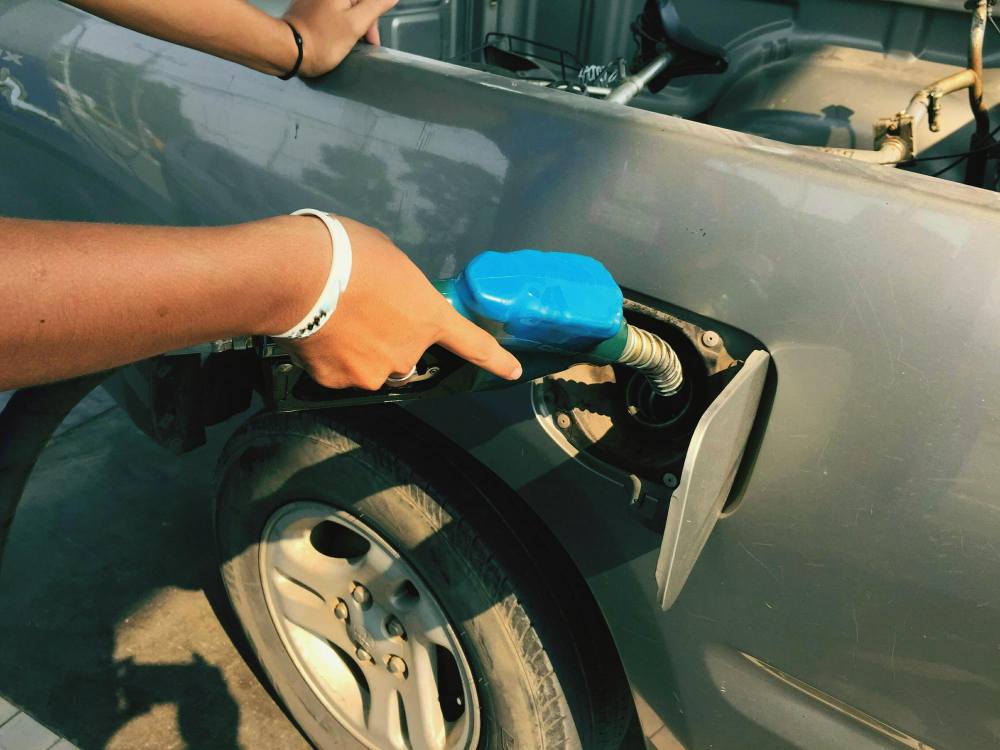
- Locate the AdBlue tank: Usually near the fuel cap or in the boot.
- Use certified AdBlue: Only ISO 22241-compliant fluids should be used. 123 Oil provide certified AdBlue with convenient home delivery.
- Fill carefully: Avoid overfilling and spillage, as AdBlue can corrode paint.
- Secure the cap: Prevent contamination and leakage.
- Monitor the dashboard: Reset warnings if necessary.
Most vehicles have dashboard indicators that alert drivers when AdBlue levels are low. Refilling promptly prevents warnings, limp mode, and engine immobilisation.
Tips to Avoid Over-Consumption
- Drive efficiently: Smooth acceleration and consistent speeds reduce AdBlue usage.
- Avoid unnecessary idling: Long periods of idling increase consumption.
- Regular maintenance: A well-maintained engine uses AdBlue more efficiently.
- Check for leaks: Leaking AdBlue tanks or pipes result in waste and costly repairs.
What Happens if You Add Too Much AdBlue?
While overfilling AdBlue is generally less harmful than underfilling, it can cause:
- Spillage: AdBlue can corrode vehicle paint and metal surfaces.
- Wasted fluid: Excess AdBlue is unnecessary and costly.
Always adhere to your vehicle manufacturer’s maximum tank capacity to ensure safe and efficient use.
Signs Your Vehicle Needs AdBlue
Indicators that you need to refill include:
- Dashboard warning lights
- Reduced engine power
- Notification messages in modern digital displays
- Immobility warnings in some vehicles
Ignoring these signs can lead to noncompliance with emissions regulations, legal issues, and costly damage to the SCR system.
Storing AdBlue
AdBlue should be stored correctly to maintain quality:
- Keep in a cool, dry place, away from direct sunlight.
- Avoid temperatures above 30°C or below -11°C, which can degrade the solution.
- Use only clean containers and avoid contamination.
Proper storage ensures AdBlue remains effective and prevents damage to the SCR system.
Environmental and Legal Considerations
Using AdBlue correctly is not just about vehicle performance; it is a legal and environmental responsibility. Excessive NOx emissions contribute to smog and respiratory problems. By maintaining AdBlue levels, diesel vehicle owners comply with UK emissions laws and help reduce air pollution.
Conclusion
Knowing how much AdBlue to add is essential for all diesel vehicle owners. Consumption depends on vehicle type, engine size, driving conditions, and year of manufacture. Regularly checking levels, refilling with certified AdBlue, and adhering to manufacturer guidelines ensure compliance, protect the SCR system, and maintain vehicle performance.
123 Oil, UK drivers can easily purchase high-quality AdBlue and efficiently manage their diesel vehicles. By understanding consumption patterns and following proper refilling procedures, you can enjoy a cleaner, more efficient, and legally compliant driving experience.
Frequently Asked Questions
Follow your vehicle manufacturer’s guidelines. Overfilling is unnecessary; most passenger cars require 12–24 litres per tank refill.
Refill intervals depend on consumption, which varies from 1–3 litres per 1,000 km for cars. Dashboard warnings help monitor levels.
No. Only ISO 22241-certified AdBlue should be used. Other fluids can damage the SCR system and void warranties.
If empty, the vehicle may enter limp mode, reduce power, or refuse to start until the tank is refilled with certified AdBlue.
AdBlue is available at petrol stations, online retailers, and specialist suppliers like 123 Oil, which offer certified home delivery.