


To fill AdBlue at a petrol station, first locate your vehicle’s AdBlue tank, usually near the diesel filler or under the bonnet. Use a dedicated AdBlue pump or container, fill slowly to the recommended level, avoid spills, and secure the cap. Always use ISO 22241-certified AdBlue to maintain SCR system performance and legal compliance.
For modern diesel vehicle owners in the United Kingdom, AdBlue has become a critical part of maintaining vehicle performance and meeting environmental regulations. Many drivers, however, are unsure how to fill AdBlue at a petrol station, what safety precautions to take, and how much to add. This guide provides a detailed overview of the process, from understanding what AdBlue is to refilling correctly, avoiding mistakes, and ensuring your diesel car stays compliant and efficient.
AdBlue is not just another fluid; it is a vital component of diesel emissions systems, and filling it correctly is essential for your vehicle’s health and the environment.
What is AdBlue?
AdBlue is a high-purity urea solution made of 32.5% urea and 67.5% deionised water. It is injected into the exhaust system of diesel vehicles equipped with Selective Catalytic Reduction (SCR) technology. Its purpose is to convert harmful nitrogen oxides (NOx) in the exhaust gases into harmless nitrogen and water vapour, reducing the environmental impact of diesel engines and helping vehicles comply with Euro 6 emissions standards.
It is important to remember that AdBlue is not a fuel additive. It has its own separate tank and is injected into the exhaust system only when required. Using AdBlue incorrectly or filling it with other fluids can damage the SCR system and lead to expensive repairs.
Why Filling AdBlue Correctly Matters
Adding AdBlue correctly is essential for several reasons:
- Environmental Compliance: Running low on AdBlue can increase NOx emissions, potentially exceeding legal limits.
- Vehicle Performance: Insufficient AdBlue can trigger warning lights, reduce engine power, or immobilise the vehicle.
- SCR System Protection: Incorrect fluids or contamination can damage expensive components in the Selective Catalytic Reduction system.
- Cost Efficiency: Proper filling prevents wastage and ensures the vehicle operates efficiently.
Filling AdBlue incorrectly at a petrol station can seem daunting for first-time users, but with the right knowledge and preparation, it is a straightforward process.
How to Know When Your Vehicle Needs AdBlue
Modern diesel vehicles are equipped with dashboard warning lights and messages indicating when AdBlue levels are low. Common indicators include:
- Dashboard Warning Light: Often a blue symbol shaped like a droplet or the text “AdBlue”.
- Reduced Engine Performance: Some cars automatically enter “limp mode” when AdBlue levels are too low.
- Display Messages: Digital displays may display messages such as “Refill AdBlue” or “AdBlue Low”.
Ignoring these warnings can result in the vehicle refusing to start once the AdBlue tank is empty, so it is essential to refill promptly.
Steps to Fill AdBlue at a Petrol Station
Filling AdBlue at a petrol station is generally easy if you follow these steps carefully.
Locate the AdBlue Tank
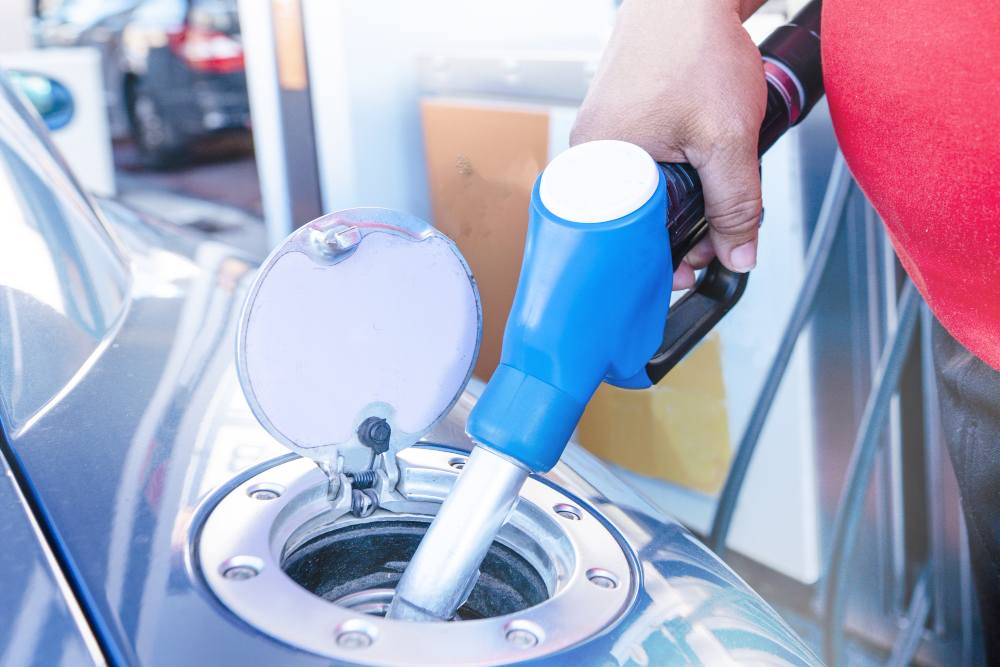
The AdBlue filler is often located near the diesel fuel cap, but in some vehicles, it may be in the boot or under the bonnet. Consult your vehicle manual to find the AdBlue tank accurately. Petrol stations that provide AdBlue will usually have a separate pump with a blue nozzle.
Check the AdBlue Level
Before filling, check the current level of AdBlue in your tank. This can be done via the dashboard display. Ensure you know approximately how much AdBlue is required to reach the maximum safe level.
Use the Correct Pump or Container
Petrol stations that supply AdBlue may offer:
- Dedicated AdBlue Pump: Similar to a fuel pump but with a blue nozzle.
- Pre-Packaged Containers: AdBlue is sold in bottles, typically 5 or 10 litres, which can be poured into the tank.
Always ensure the nozzle or container is clean and designated for AdBlue only to prevent contamination.
Filling the Tank
- Dedicated Pump: Insert the nozzle into the AdBlue filler opening. Press the trigger and fill slowly. Many pumps automatically stop when the tank is full.
- Container: Remove the cap carefully and pour slowly, using a funnel if necessary. Avoid splashing or overfilling.
Close the Cap Securely
After filling, replace the AdBlue filler cap securely to prevent contamination and spillage. Ensure the cap clicks or seals properly.
Check the Dashboard
Start the engine and check the dashboard to ensure the warning light has disappeared. Some vehicles require a few engine cycles before the warning resets.
Safety Tips for Filling AdBlue
Although AdBlue is non-toxic, it is slightly corrosive and can damage vehicle paint. Follow these safety precautions:
- Wear gloves, if possible, to avoid prolonged skin contact.
- Avoid spilling AdBlue on the car body; wash off immediately with water if spillage occurs.
- Keep AdBlue containers clean and sealed when not in use.
- Store any leftover AdBlue in a cool, dry place away from direct sunlight.
By following these precautions, you can ensure safe and effective handling.
How Much AdBlue Should You Add?
The amount of AdBlue to add depends on your vehicle’s tank capacity and consumption. Most passenger cars have tanks ranging from 12 to 24 litres, while vans and trucks may require 30 litres or more. Filling the tank to the maximum recommended level prevents frequent top-ups and ensures the SCR system functions properly.
Vehicles usually display how much AdBlue is required or provide a low-level warning when it’s time to refill. Never overfill, as this can lead to spillage and wastage.
Common Mistakes to Avoid
Using Diesel Instead of AdBlue: Filling the AdBlue tank with diesel or any other fluid can cause severe damage to the SCR system.
- Overfilling: Exceeding the tank capacity leads to spillage and waste.
- Ignoring Warnings: Waiting too long after the low-level warning can result in reduced engine performance or immobilisation.
- Contaminated Containers: Only use clean pumps or containers dedicated to AdBlue.
Avoiding these mistakes ensures the longevity of your vehicle’s emissions system.
Tips for Efficient AdBlue Management
- Refill Early: Don’t wait until the tank is empty. Refill when the warning first appears.
- Monitor Consumption: Track how much AdBlue your vehicle typically uses per 1,000 miles.
- Use Certified AdBlue: Always use ISO 22241-compliant AdBlue to protect the SCR system. 123 Oil provide certified AdBlue for home delivery and easy top-ups.
- Regular Maintenance: Ensure your diesel system is maintained, as leaks or faulty sensors can affect AdBlue consumption.
Benefits of Proper AdBlue Use
Using AdBlue correctly provides several advantages:
- Reduces NOx Emissions: Helps keep air pollution within legal limits.
- Legal Compliance: Avoid fines or restrictions in low-emission zones.
- Maintains Engine Performance: Prevents limp mode and ensures fuel efficiency.
- Protects the SCR System: Reduces the risk of costly repairs due to contamination or improper use.
Future of AdBlue in Diesel Vehicles
As environmental regulations tighten, AdBlue is likely to remain a critical component for diesel vehicles for years to come. Electric and hybrid cars are slowly gaining popularity, but diesel engines with SCR technology will continue to rely on AdBlue to meet Euro 6 and future emissions standards.
Conclusion
Filling AdBlue at a petrol station is a simple but essential task for all modern diesel vehicle owners in the UK. Understanding what AdBlue is, knowing when to refill, using the correct nozzle or container, and following safety precautions ensures that your vehicle remains compliant, efficient, and environmentally friendly. By refilling correctly and monitoring levels regularly, you can avoid engine restrictions, warning lights, and costly SCR system repairs.
123 Oil make it easy to obtain high-quality, certified AdBlue, allowing drivers to top up conveniently and safely. Maintaining proper AdBlue levels is not just about vehicle performance; it also contributes to cleaner air and helps meet the legal standards required for diesel vehicles. By following this guide, UK drivers can confidently refill AdBlue at petrol stations and enjoy the full benefits of modern diesel technology.
Frequently Asked Questions
Locate the AdBlue tank, use a clean blue nozzle or container, fill slowly to the recommended level, and securely replace the cap.
Add enough to reach the maximum tank level, typically 12–24 litres for cars; larger vans or trucks require more.
No. Always use dedicated AdBlue pumps or containers, as diesel or other fluids will damage the SCR system.
AdBlue can corrode paint and metal surfaces; clean any spillage immediately with water to prevent damage.
Certified AdBlue is available at petrol stations, online retailers, and 123 Oil, which offer home delivery.