

If your oil tank is empty, your boiler will stop working immediately as air enters the fuel line. This can lead to blocked filters, damaged pumps, loss of heating and hot water, and costly repairs. In winter, it may also cause frozen or burst pipes. To avoid damage, refill the tank at 25% and arrange professional bleeding if needed.
Running out of heating oil is more than just an inconvenience. For many households across the UK – especially in rural and off-gas areas – an empty oil tank means no heating, no hot water, and the potential for long-term damage to your heating system. Every winter, thousands of homeowners find themselves asking the same urgent question: What happens if my oil tank is empty, and what should I do next?
This comprehensive guide explains exactly what occurs when your oil tank runs dry, the potential risks to your boiler, the hidden costs you may face and how to prevent it from ever happening again. If you rely on oil for heating, this is essential reading.
Why does an oil tank run empty?
Oil tanks usually run empty due to one of the following common reasons:
- Forgetting to check oil levels regularly
- Underestimating how much oil is being used
- Increased usage during cold weather
- Delay in delivery from the supplier
- Inaccurate tank gauge readings
Unlike gas or electricity, the oil supply relies heavily on your own monitoring. Once the tank is empty, nothing will automatically refill it. This makes it extremely important to stay on top of oil levels, especially during the winter months.
What happens immediately when an oil tank runs empty?
When your oil tank runs dry, the most immediate effect is that your boiler stops working. This happens because the oil supply line begins pulling in air instead of fuel. Once air enters the system:
- The flame inside the burner cannot ignite
- The boiler locks out as a safety precaution
- Heating and hot water stop completely
- Warning lights may activate on your boiler
At this point, simply adding more oil is not always enough to fix the problem. In many cases, the system will need to be bled to remove trapped air.
Air in the system: why it’s such a problem
An oil boiler is designed to run continuously on a continuous supply of fuel. When air gets into the fuel line:
- It disrupts pressure in the system
- The burner fails to fire properly
- It can cause misfiring or sputtering
- Sediment at the bottom of the tank may be drawn into the pipework
This is why running a tank to empty is much worse than running a gas supply low. It doesn’t just switch off your heating – it interferes with the mechanical workings of your boiler.
In some cases, you could be left without heating for several days until a professional flushes and resets the system properly.
Can an empty oil tank damage my boiler?
Yes, it can. This is one of the most serious consequences that people often underestimate.
When the tank reaches zero, sludge and debris that settle at the base of the tank may be pulled into the fuel line. This can:
- Block filters and nozzles
- Cause strain on the oil pump
- Damage internal components
- Lead to long-term wear and tear
Over time, this can reduce your boiler’s efficiency and lead to costly repairs or even a full replacement. What initially seems like “just running out of oil” can turn into a repair bill in the thousands.
The hidden risks to your oil tank
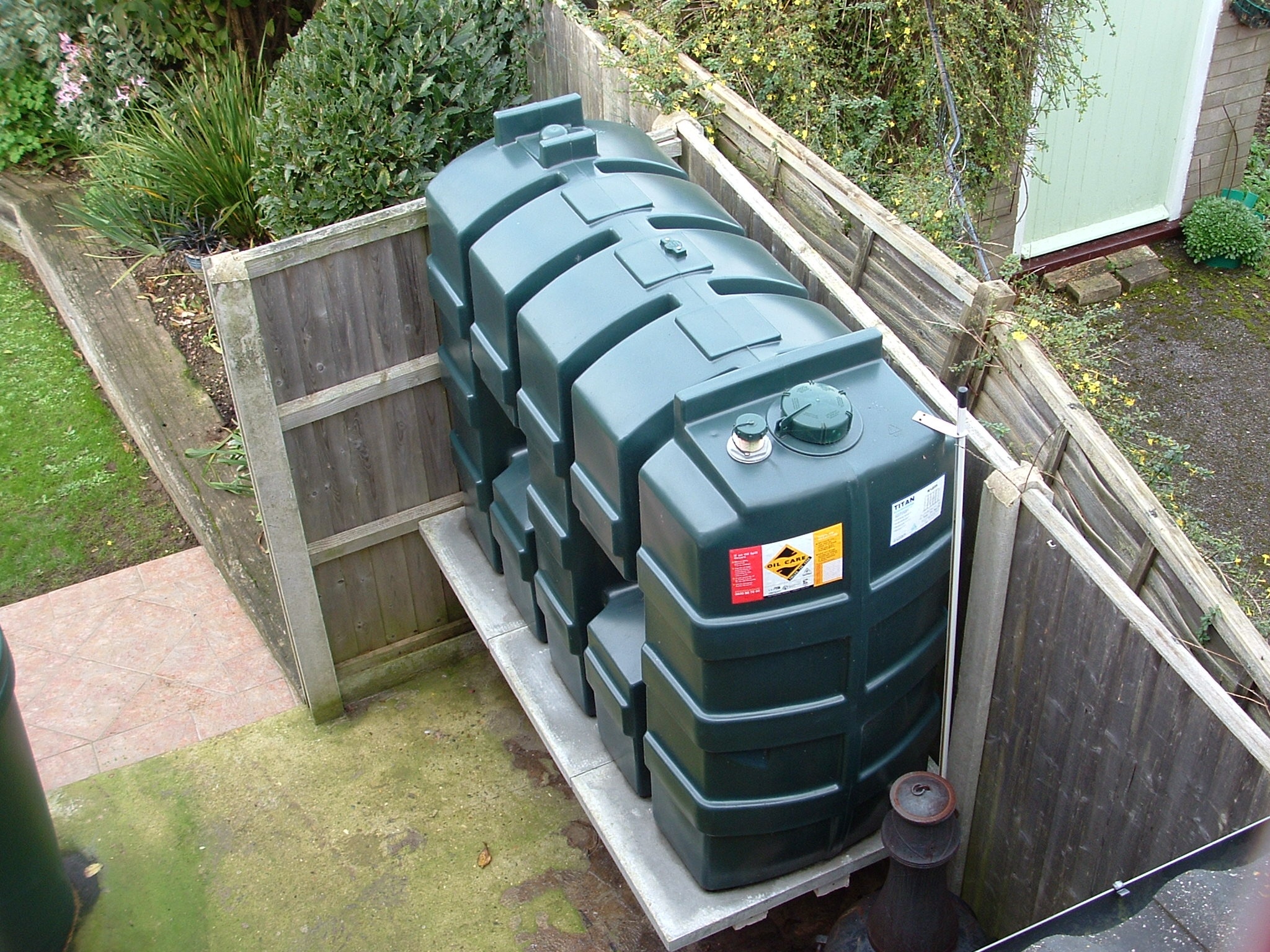
An empty oil tank doesn’t just affect your boiler, it also strains the tank itself.
During winter, oil tanks rely on the presence of fuel to help maintain internal stability. When the tank sits empty:
- Condensation can build up inside
- Moisture can lead to corrosion (in steel tanks)
- Bacteria and sludge form more easily
- The tank may weaken internally
Over time, this increases the chances of leaks, cracks and contamination. This is one of the reasons professionals recommend keeping your tank at least ¼ full at all times.
What should I do if my oil tank is empty?
If your oil tank is empty, follow these steps carefully:
- Check your oil gauge to confirm the level is truly zero
- Order a new oil delivery immediately
- Do not repeatedly reset the boiler
- Wait for the oil to be delivered before trying to restart the system
- Contact a professional to bleed the system if required
Trying to restart the boiler too many times can cause additional damage. If the system does not restart after the tank has been filled, you will need a trained engineer to bleed the fuel line and reset the system safely.
Many homeowners choose experienced providers such as 123 Oil due to their rapid response times and understanding of local delivery routes.
How long does it take to restore heating after an empty tank?
The time it takes to restore your heating depends on several factors, including:
- How quickly can you get oil delivered
- Whether air has entered the system
- Whether the sludge has blocked the lines
- If parts have been damaged
In the best-case scenario, you could be back up and running within a few hours of delivery. In a worst-case scenario, repairs may take days and require replacement parts.
This is why prevention is far more valuable than a cure in this situation.
What if this happens in winter?
Running out of oil in winter is particularly serious. Cold temperatures can:
- Freeze your pipes
- Increase risk of burst pipes
- Cause structural damage to your home
- Create unsafe living conditions
If this occurs during freezing weather, you should:
- Turn off the water to prevent pipe bursts
- Open cupboard doors to allow warm air circulation
- Use alternative heating safely (never use outdoor heaters indoors)
- Stay with family or friends if temperatures drop
In extreme cold, an empty oil tank can go from inconvenient to dangerous very quickly.
How to prevent your oil tank from running empty
The good news is that this problem is entirely preventable with the right planning.
Check your oil level regularly.
Make it a habit to check the tank gauge at least once a week – more often during winter. This simple habit can prevent almost every emergency.
Order oil at ¼ tank level
Never wait until your tank is nearly empty. Always place an order when the level reaches 25%. This gives you time to handle delays.
Track your usage
Monitor how quickly your household uses oil in different seasons. This helps you predict when to reorder and avoid running short.
Consider a tank level monitor.
Modern smart monitors can alert you by phone or email when your oil level drops. This is a very effective way to stop accidental run-outs.
Schedule regular tank inspections.
An annual inspection helps you identify leaks, corrosion, or structural weakness before they become major issues.
Does an empty tank affect property value?
Yes, it can. When selling a home with an oil heating system, surveys often include inspection of:
- Oil tank condition
- Signs of leakage or contamination
- Compliance with current standards
- Maintenance history
If an empty tank causes boiler damage or contamination, it can reduce your property’s value and slow sales. Some buyers will insist on full replacement before the exchange of contracts.
What about insurance?
Home insurance policies do not always cover damage caused by poor maintenance or negligence. If it’s proven that your tank ran empty due to lack of care, and this caused a leak or damage, your insurer may refuse to pay out.
Keeping records of refills, inspections and maintenance proves that you have acted responsibly as a homeowner.
Is it worth upgrading the tank?
If your tank is old, single-skinned, or nearly at the end of its lifespan, upgrading can offer huge benefits:
- Reduced risk of leaks
- Greater environmental protection
- Better insurance acceptance
- Increased property value
- Improved peace of mind
A newer bunded tank significantly reduces the chance of pollution and makes your system more future-proof.
Long-term impact of repeated run-outs
If your oil tank runs empty more than once, the damage compounds over time. Repeated run-outs can:
- Shorten boiler lifespan
- Increase breakdowns
- Cause ongoing sludge build-up
- Reduce heating efficiency
- Raise energy bills
Eventually, this costs far more than simply keeping the tank filled properly.
Final thoughts
So, what happens if your oil tank is empty? The answer is both simple and serious.
In the short term, you lose heating and hot water. In the medium term, you may need to repair the system. In the long term, you may face reduced boiler lifespan, tank corrosion, environmental risks and even legal or insurance issues.
The key takeaway is clear: never let your oil tank run dry.
By staying aware of your oil levels, planning deliveries and arranging regular inspections, you can protect your home, your heating system and your finances.
Frequently Asked Questions
Yes, running out of oil can pull air and sludge into the system, blocking filters and damaging parts of the boiler.
Sometimes, but in most cases, the fuel line must be professionally bled before the boiler can work safely again.
Yes. Without heating, pipes may freeze and burst, causing serious water damage to your home.
Check levels weekly, order oil at 25% capacity, and consider fitting a smart oil level monitor.
Yes. Repeated run-outs increase wear on the pump and filters, reducing efficiency and shortening the boiler's lifespan.