

Marine Gas Oil (MGO) is a refined, low-sulphur distillate fuel used to power marine diesel engines on ferries, tugboats, yachts, and auxiliary systems. It provides cleaner combustion, reliable engine performance, lower emissions, and compliance with MARPOL and IMO 2020 regulations, making it ideal for environmentally sensitive maritime operations.
Marine operations rely heavily on fuel to power vessels safely and efficiently. Among the various types of marine fuels, Marine Gas Oil (MGO) is one of the most widely used, particularly for smaller ships, ferries, and port operations. Understanding what marine gas oil is, how it works, its advantages, and its environmental considerations is essential for operators, shipping companies, and anyone involved in maritime logistics.
This comprehensive guide explores Marine Gas Oil, its types, properties, usage, and why it is preferred in many marine applications. Written in clear British English, this article aims to provide maximum readability and practical knowledge.
Understanding Marine Gas Oil
Marine Gas Oil is a distillate marine fuel derived from crude oil refining. It is lighter than heavy fuel oil (HFO) and diesel, offering better combustion and cleaner emissions. MGO is similar to diesel fuel used in land vehicles but is specially formulated to meet maritime standards and withstand the unique conditions at sea.
Marine Gas Oil is primarily used in:
- Coastal vessels and ferries
- Tugboats and harbour craft
- Yachts and smaller commercial ships
- Auxiliary engines on larger vessels
Its widespread use is due to its reliability, lower sulphur content, and compliance with international regulations.
Composition and Properties of Marine Gas Oil
MGO is composed of light hydrocarbons, making it less viscous and easier to handle than heavier fuels. Key properties include:
- Low sulphur content – reduces sulphur oxide emissions and meets MARPOL Annexe VI regulations
- High cetane number – ensures efficient ignition and smooth engine performance
- Good lubricity – protects fuel pumps and injectors
- Stable at low temperatures – suitable for operations in temperate and cold waters
These characteristics make MGO a popular choice for vessels operating in Emission Control Areas (ECAs) where stricter environmental regulations apply.
Types of Marine Gas Oil
Marine Gas Oil is available in different grades, usually based on sulphur content and viscosity. Common types include:
Low Sulphur Marine Gas Oil
This type has a sulphur content of 0.1–0.5% and is designed to meet MARPOL ECA regulations. It is commonly used in:
- Coastal shipping
- Passenger ferries
- Harbour vessels
Ultra-Low Sulphur Marine Gas Oil
With a sulphur content of 0.1% or lower, ultra-low sulphur MGO is required in strict environmental zones. Benefits include:
- Compliance with IMO 2020 sulphur limits
- Reduced air pollution
- Compatibility with modern marine diesel engines
Standard Marine Gas Oil
This is typically used in regions without strict sulphur restrictions. It is slightly less refined but still maintains good combustion properties and engine protection.
How Marine Gas Oil Works
MGO is used in ship diesel engines. Here’s how it functions:
- Fuel is injected into the combustion chamber
- Ignition occurs under high pressure and temperature
- The resulting combustion powers the engine
- Exhaust gases are emitted, with lower sulphur emissions than heavier fuels
Because it is lighter and cleaner than HFO, MGO provides quicker engine start-up, better fuel atomisation, and less maintenance.
Advantages of Marine Gas Oil
Marine Gas Oil offers several advantages over other marine fuels:
- Cleaner combustion – produces fewer particulates and sulphur oxides
- Easier handling – lighter and less viscous, reducing clogging and pump issues
- Reduced maintenance – cleaner burning fuel means less engine wear and longer life
- Compliance with regulations – meets MARPOL and IMO emission standards
- Quick engine start-up – suitable for auxiliary engines and smaller vessels that require rapid operation
These benefits make MGO ideal for vessels operating in sensitive environments such as coastal areas, ports, and waterways.
Environmental Considerations
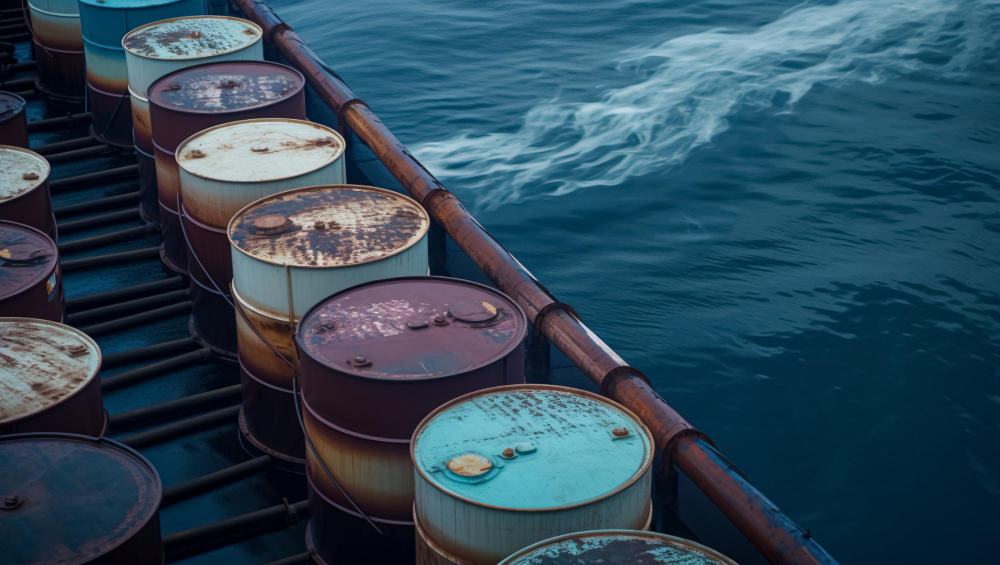
Marine Gas Oil is preferred in environmentally sensitive areas due to its lower environmental impact compared with heavy fuel oil. Key points include:
- Reduced sulphur emissions – lower acid rain and air pollution
- Lower particulate matter – better air quality in ports and cities
- Compliance with ECAs – reduces fines and operational restrictions
Operators must also manage spills carefully, as MGO, while less viscous than HFO, and can still cause environmental damage if released into waterways.
Storage and Handling of Marine Gas Oil
Proper storage and handling are critical to maintaining the quality and safety of MGO. Key guidelines include:
- Store in clean, dry tanks to prevent contamination
- Regularly inspect storage tanks for water ingress or microbial growth
- Use filters to remove impurities before engine injection
- Avoid long-term storage in high temperatures, which can degrade fuel quality
Correct handling ensures reliable engine performance and extends the life of fuel systems.
How Marine Gas Oil Differs from Heavy Fuel Oil
While MGO is lighter and cleaner, heavy fuel oil (HFO) is more viscous and less refined. Differences include:
- Viscosity – MGO flows easily, HFO requires heating
- Sulphur content – HFO often exceeds 2–3%, MGO is below 0.5%
- Engine maintenance – HFO can cause more wear and requires complex treatment
- Environmental impact – MGO produces fewer pollutants
These differences make MGO ideal for smaller vessels, auxiliary engines, and environmentally sensitive operations.
Marine Gas Oil and Emission Regulations
International regulations, especially MARPOL Annexe VI and the IMO 2020 sulphur cap, have made MGO increasingly important. Vessels using MGO:
- Meet sulphur limits in Emission Control Areas
- Reduce NOx and particulate emissions
- Avoid fines and operational restrictions in regulated zones
Using MGO ensures both compliance and environmental responsibility for operators.
Cost Considerations
Marine Gas Oil is generally more expensive than heavy fuel oil due to its higher refining costs and lower sulphur content. However, the benefits often outweigh the costs:
- Lower maintenance costs – less engine wear
- Fewer fines and regulatory risks – compliance with environmental rules
- Better fuel efficiency – cleaner combustion leads to consistent performance
Investing in MGO is often more economical in the long term, particularly for vessels operating in regulated areas.
Common Uses of Marine Gas Oil
Marine Gas Oil is used in:
- Passenger ferries and coastal shipping – frequent stops require a quick engine start
- Tugboats and harbour craft – reliability and manoeuvrability are critical
- Fishing vessels – low sulphur reduces pollution in sensitive coastal waters
- Auxiliary engines on large ships – powering generators, pumps, and cranes
Its versatility and cleaner performance make it the preferred fuel for these applications.
Maintenance Tips for Vessels Using MGO
To get the most from Marine Gas Oil:
- Monitor fuel quality regularly to prevent contamination
- Use proper filtration systems on engines
- Check tanks for water and microbial growth
- Follow manufacturer recommendations for injection and engine tuning
- Source fuel from trusted suppliers, such as 123 Oil, to ensure quality and compliance
Good maintenance practices ensure reliable engine performance and prevent operational delays.
Future of Marine Gas Oil
With increasing environmental regulations and the push toward cleaner shipping, MGO will continue to play a significant role. Trends include:
- Transition to ultra-low sulphur MGO
- Hybrid solutions combining MGO and LNG
- Improved additives for better efficiency
- Focus on reducing greenhouse gas emissions
Operators adopting MGO now are preparing for a sustainable future in maritime operations.
Final Thoughts
So, what is Marine Gas Oil? It is a refined, low-sulphur distillate fuel designed for safe, efficient, and environmentally compliant marine operations. It powers a wide range of vessels, from ferries and tugboats to yachts and auxiliary engines, providing reliable combustion, lower emissions, and easier handling compared to heavy fuel oil.
By using the appropriate MGO, maintaining fuel quality, and sourcing from reliable suppliers such as 123 Oil, vessel operators can ensure regulatory compliance, environmental responsibility, and optimal engine performance. Marine Gas Oil is more than just fuel; it is a critical component in modern maritime operations, supporting safe, efficient, and sustainable shipping across the UK and beyond.
Frequently Asked Questions
Marine Gas Oil is used to power marine diesel engines on ferries, tugboats, yachts, and auxiliary engines, providing cleaner combustion and reliable performance.
MGO is lighter, less viscous, and lower in sulphur than heavy fuel oil, resulting in cleaner emissions, easier handling, and reduced engine wear.
It is suitable for smaller vessels, auxiliary engines, and ships in Emission Control Areas, but large ships may still require heavy fuel oil for main engines.
Low-sulphur MGO reduces air pollution, ensures compliance with MARPOL and IMO 2020 regulations, and protects the environment in sensitive maritime areas.
MGO should be stored in clean, dry tanks, filtered before engine use, protected from water contamination, and handled in accordance with safety and environmental regulations.