

The size of your oil tank depends on household heating demand, property size, and delivery frequency. Typical UK domestic tanks range from 500 litres to over 3,500 litres. Choose a tank that is large enough to ensure reliable fuel supply, safe, compliant with OFTEC regulations, and compatible with your boiler. Bunded tanks provide extra environmental protection. Working with reputable suppliers like 123 Oil ensures safe installation, accurate sizing, and reliable fuel delivery.
Heating oil remains a key source of warmth for thousands of homes across the UK, particularly those off the gas grid. Choosing the correct oil tank size is essential to ensuring a consistent fuel supply, efficiently managing heating costs, and complying with safety regulations. Many homeowners are unsure how to determine the appropriate tank size for their property, which can lead to unnecessary refills, higher costs, or operational problems with their heating system.
This comprehensive guide explores factors to consider when selecting an oil tank, typical tank sizes, how to calculate your household’s oil requirements, safety and legal considerations, and best practices to maximise efficiency and reliability.
Why Choosing the Right Oil Tank Size Matters
Selecting the correct oil tank size offers multiple benefits for homeowners:
- Reliable heating – ensures the boiler has a steady supply of fuel
- Cost efficiency – reduces unnecessary fuel deliveries and helps manage household budgets
- Compliance with UK regulations – ensures OFTEC and building standards are met
- Environmental protection – reduces risk of spills and contamination
- Operational efficiency – prevents issues caused by frequent refills or empty tanks
A well-sized tank not only saves money but also protects your property, the environment, and ensures your heating system runs smoothly throughout the year.
Typical Domestic Oil Tank Sizes in the UK
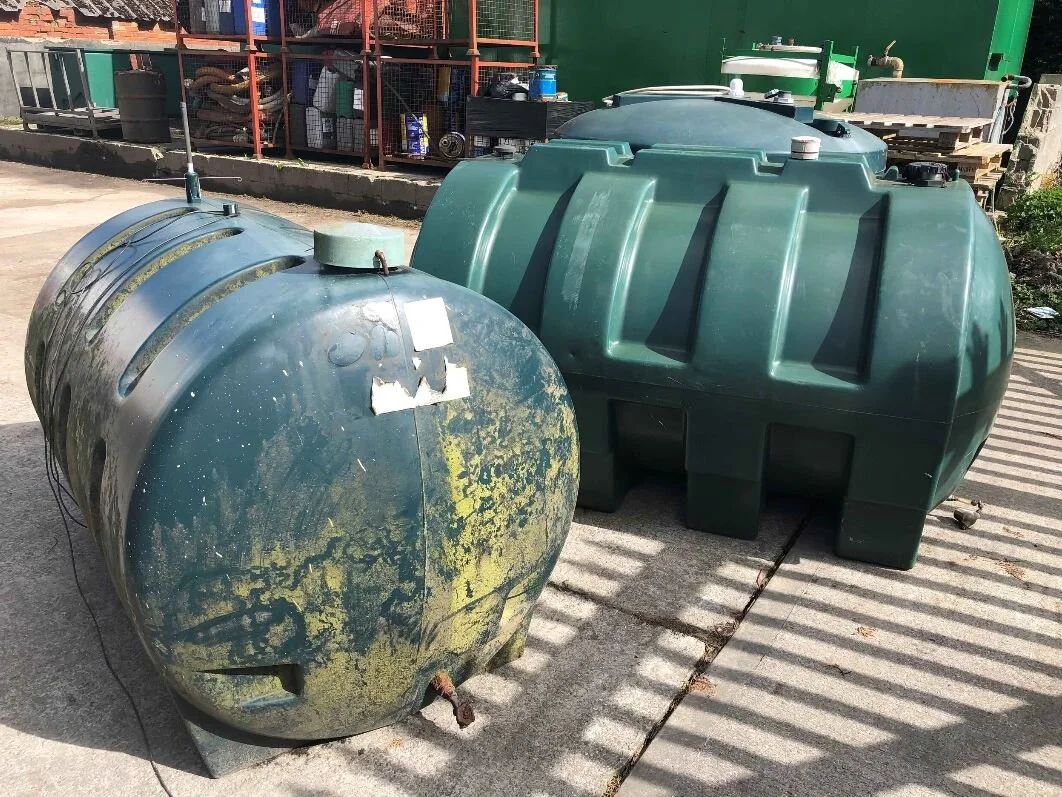
Domestic oil tanks come in a range of sizes depending on household heating needs, property size, and installation space. The most common sizes include:
- Small tanks (500–1,000 litres) – suitable for small flats or cottages with low heating demands
- Medium tanks (1,000–2,500 litres) – ideal for average family homes
- Large tanks (2,500–3,500 litres) – for larger properties or homes with high heating demand
- Extra-large tanks (3,500+ litres) – often used in estates, farms, or commercial properties
The type of tank, plastic, steel, or bunded (double-skinned), also affects usable capacity. Bunded tanks provide extra protection against leaks but slightly reduce internal storage compared to single-skin tanks.
Factors to Consider When Choosing an Oil Tank Size
Several factors influence the size of the oil tank suitable for your home:
Household Heating Demand
- Property size – larger homes require more heating fuel
- Number of occupants – more people typically increase hot water usage
- Energy efficiency – modern boilers or well-insulated homes may need less oil
Calculating your household’s annual oil consumption is the first step in determining the ideal tank size.
Frequency of Deliveries
- Remote locations – homes in rural areas may benefit from larger tanks to reduce delivery trips
- Urban homes – smaller tanks may suffice if deliveries are frequent and convenient
- Fuel supplier policies – some suppliers have minimum order quantities that influence tank sizing
Available Space
- Garden or external area – ensure enough space for the tank, safe access for deliveries, and compliance with minimum distance regulations
- Internal tanks – must meet building regulations and safety requirements if installed inside the property
Regulatory Compliance
- OFTEC standards – cover tank installation, maintenance, and safety
- Bunded tanks – double-skinned tanks reduce environmental risk and are increasingly recommended
- Safe distances – tanks must be placed a minimum distance from buildings, boundaries, and watercourses
Compliance is essential not only for safety but also to maintain insurance coverage.
Environmental and Safety Considerations
- Leak prevention – bunded tanks minimise environmental contamination
- Overfilling protection – prevents spills during delivery
- Pipework accessibility – ensures safe and efficient fuel delivery to the boiler
These factors, along with size, should influence your choice to ensure the tank is safe and reliable.
How to Estimate Your Oil Requirement
Estimating your household’s oil requirement helps determine the right tank size:
Check the previous annual fuel consumption if you have existing records
- Consider seasonal variations – higher usage during winter
- Factor in new boiler efficiency – modern condensing boilers use less fuel
- Account for hot water demand – showers, baths, and appliances
Example: A typical UK family home may use 1,500–2,500 litres per year, so a 1,000–2,500-litre tank is usually sufficient, depending on the delivery frequency and the heating system’s efficiency.
Practical Steps to Choose the Right Tank Size
Step 1: Assess Household Demand
- Review historical oil bills or delivery records
- Consider any changes in household size or heating habits
Step 2: Evaluate Space Constraints
- Measure available space for tank placement
- Ensure compliance with OFTEC regulations regarding distance from structures
Step 3: Decide on Tank Type
- Plastic tanks – lightweight, corrosion-resistant, suitable for most domestic use
- Steel tanks – durable, but prone to rust over time
- Bunded tanks – recommended for environmental protection and insurance purposes
Step 4: Consult a Professional Supplier
- Discuss your heating system, property size, and usage patterns
- Get advice on tank capacity, placement, and safety features
- Suppliers like 123 Oil can provide guidance and ensure compliant installation
Step 5: Installation and Safety Checks
- Install on a stable, level surface
- Fit tamper-proof caps, vents, and overfill prevention
- Ensure pipework and valves are correctly connected and secure
- Conduct pressure testing to verify proper operation
Benefits of Choosing the Right Tank Size
Selecting the correct tank size provides multiple advantages:
- Reduced delivery frequency – larger tanks mean fewer trips and lower transport costs
- Reliable heating – consistent fuel supply prevents boiler downtime
- Lower risk of running out – especially during cold snaps or high-demand periods
- Compliance and insurance coverage – ensures adherence to regulations and protects against claims
- Environmental safety – bunded tanks minimise the risk of leaks and spills
Common Mistakes to Avoid
Homeowners often make mistakes when selecting an oil tank:
- Underestimating consumption – results in frequent refills or running out of fuel
- Overestimating space – oversized tanks may be difficult to place safely
- Ignoring regulations – non-compliance can void insurance or lead to fines
- Neglecting tank maintenance – old or damaged tanks reduce efficiency and increase risk
Avoiding these mistakes ensures a smooth and safe heating experience.
Maintaining Your Oil Tank
Proper maintenance maximises tank lifespan and efficiency:
- Regular inspections – check for leaks, cracks, or corrosion
- Monitor oil levels – prevent running out and detect unusual usage
- Clean filters and valves – maintain boiler performance
- Professional servicing – schedule regular checks with certified engineers
Maintaining your tank helps protect your investment and ensures reliable heating.
Conclusion
Choosing the right oil tank size is a critical decision for UK homeowners relying on oil heating. The correct size ensures reliable heating, efficient fuel use, regulatory compliance, and protection for your property and the environment. By assessing household demand, space, boiler efficiency, and safety requirements, you can select a tank that meets your needs.
Working with reputable suppliers like 123 Oil ensures professional guidance, compliant installation, and reliable fuel delivery. Proper planning, installation, and maintenance of your oil tank guarantees that your heating system operates efficiently, safely, and cost-effectively year-round.
Frequently Asked Questions
Consider household heating demand, property size, and delivery frequency. Historical usage records can also help estimate capacity.
Domestic tanks usually range from 500 litres for small homes to 2,500–3,500 litres for larger properties or high-demand households.
A larger tank can reduce delivery frequency and help avoid peak price periods, but it requires more space and initial investment.
Yes, bunded tanks are safer, reduce environmental risk, and ensure compliance with OFTEC and insurance requirements.
Yes, an undersized tank may lead to frequent refills, running out of oil, and inefficient boiler operation.