

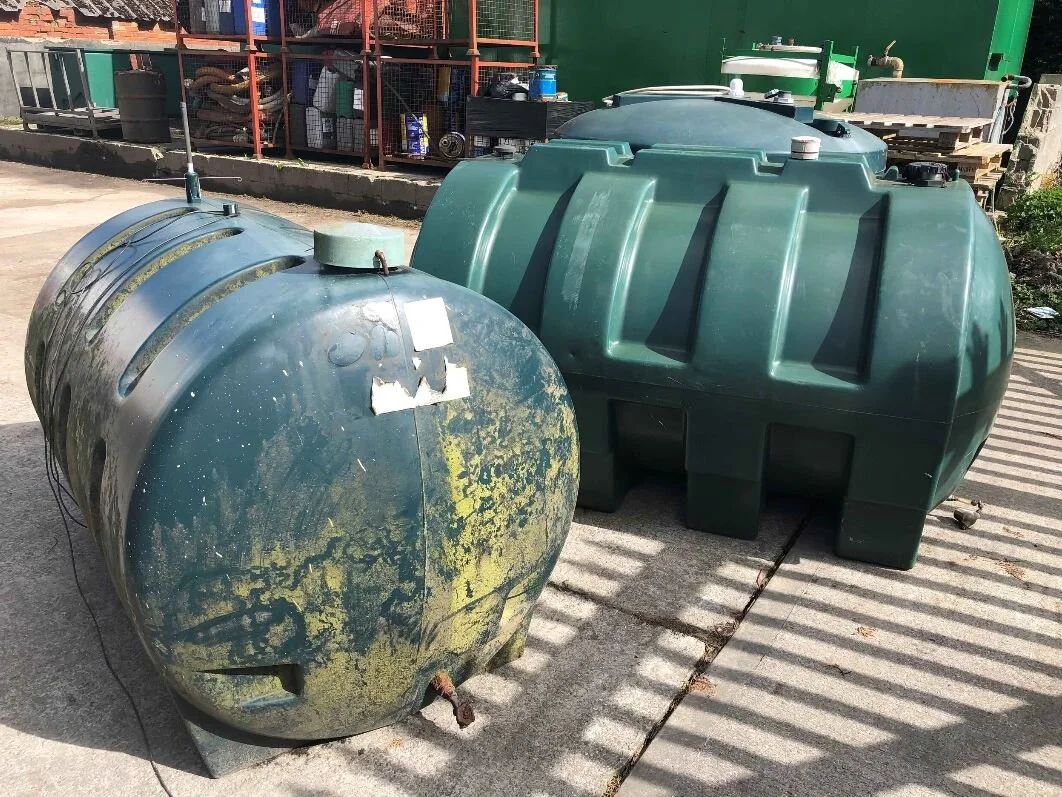
An old plastic oil tank should be properly drained, cleaned, and either removed, recycled, or repurposed. Professional removal ensures safety, legal compliance, and environmental protection, while clean tanks can be repurposed for water storage, composting, or garden use. Retaining a tank in situ requires it to be empty, capped, and regularly inspected. Using certified services like 123 Oil guarantees safe handling and compliance with UK regulations.
For many households across the UK, heating oil is an essential source of warmth and hot water. Over time, however, oil tanks, especially plastic ones, can degrade, become obsolete, or no longer comply with current safety regulations. Homeowners often face the question: What should I do with my old plastic oil tank? Simply leaving it in place is not advisable, as it can pose safety, environmental, and legal risks.
Disposing of or repurposing an old oil tank requires careful planning and adherence to UK regulations. With the right approach, you can remove the tank safely, minimise environmental impact, and even find practical ways to reuse it. This guide explains the options available to homeowners, the steps involved in safe removal, and best practices for dealing with a plastic oil tank.
Why Proper Disposal or Management of an Old Tank Matters
Plastic oil tanks may seem harmless, but an old or neglected tank can present multiple risks:
- Leaks and contamination – residual oil or residues can pollute soil and groundwater
- Structural failure – old plastic can crack or collapse over time
- Health hazards – fumes or spills can be dangerous if mishandled
- Fire risk – any remaining oil may ignite under certain conditions
- Legal non-compliance – UK regulations require proper management of obsolete tanks
Addressing these risks ensures safety, protects the environment, and maintains compliance with law and insurance requirements.
Options for Dealing with an Old Plastic Oil Tank
Homeowners have several options for handling an old plastic oil tank. Each has its own advantages depending on your circumstances.
Professional Removal and Recycling
One of the safest and most responsible approaches is to have the tank removed by a certified professional. Benefits include:
- Safe extraction – preventing spills or damage during removal
- Proper disposal – recycling plastic materials according to environmental regulations
- Peace of mind – ensuring compliance with UK building and environmental laws
Certified companies can drain any remaining oil, clean the tank, and either recycle the plastic or safely transport it to a licensed disposal facility. Some suppliers, such as 123 Oil, offer removal services as part of a new tank or boiler installation package.
Repurposing the Tank
If the tank is in good condition and free of residual oil, it may be repurposed for other uses around the home or garden:
- Water storage – convert into a water butt or rainwater harvesting system
- Composting – use as a secure container for composting organic waste
- Planters – cut and fill with soil to create raised garden beds
- Storage container – for non-hazardous materials such as firewood or garden tools
Before repurposing, ensure the tank has been thoroughly cleaned and degassed to remove all traces of oil. This prevents contamination and eliminates the risk of residual flammable vapours.
Leaving the Tank In Situ (With Precautions)
In some cases, homeowners may wish to leave an old plastic tank in place, particularly if a new tank has been installed elsewhere. While this is generally not recommended, it can be safe if precautions are taken:
- Empty the tank completely – remove all remaining oil
- Clean the tank thoroughly – remove sludge and residue
- Cap and seal the tank – prevent water ingress or pest access
- Regular inspections – monitor for cracking, deformation, or accidental oil residue
However, leaving a tank in situ may not satisfy insurance or legal requirements, and its long-term stability is uncertain. A professional assessment is strongly advised before choosing this option.
Steps for Safe Removal of a Plastic Oil Tank
If you decide to remove the tank entirely, following a structured approach ensures safety and compliance:
Step 1: Assess the Tank
- Determine the tank’s age, condition, and size
- Check for remaining oil or residue
- Ensure that access for removal is safe and clear of obstacles
Step 2: Drain Remaining Oil
- Use a certified pump to remove residual oil
- Store drained oil in a secure, labelled container
- Avoid spills and ensure that drainage complies with local environmental regulations
Step 3: Clean and Degas the Tank
- Thoroughly clean the tank to remove sludge or oil residue
- Ventilate to remove any flammable fumes
- Inspect for cracks or structural weakness
Step 4: Disconnect and Remove
- Detach all pipework, valves, and fill points
- Use lifting equipment if necessary to prevent damage or injury
- Transport the tank to a certified recycling or disposal facility
Step 5: Site Restoration
- Fill or level the area where the tank was removed
- Check for residual contamination in soil
- Consider installing a new tank or alternative storage solution if needed
Legal and Environmental Considerations
UK law and best practices require careful management of old oil tanks:
- OFTEC regulations – provide guidelines on tank installation, maintenance, and removal
- Environmental protection laws – prohibit improper disposal that could contaminate soil or water
- Insurance requirements – insurers often require proof of safe tank removal or replacement
- Local council guidelines – some councils require notification or permits for tank removal
Failure to comply with regulations may result in fines, environmental cleanup costs, or voided insurance coverage.
Repurposing Tips: Garden and Household Uses
Repurposing an old plastic oil tank can be a creative and environmentally friendly solution if the tank is clean:
- Rainwater harvesting – position under gutters and use for garden irrigation
- Raised garden beds – cut in half lengthwise and fill with soil
- Compost bins – drill ventilation holes and secure the lid
- Outdoor storage – store logs, soil, sand, or tools
Always ensure that the tank has been properly decontaminated and is structurally sound before reuse.
Costs of Removing or Repurposing a Plastic Oil Tank
The cost varies depending on the size of the tank, its condition, and whether you choose removal or professional recycling:
- Professional removal – typically includes draining, cleaning, and transport; costs vary by region
- DIY repurposing – minimal financial cost but requires time, cleaning, and safety precautions
- Environmental compliance fees – may apply if the tank is transported to a licensed facility
Investing in proper removal or recycling reduces risk, ensures compliance, and avoids future liabilities.
Choosing a New Tank
If the old tank is being replaced, it is important to select a modern tank suitable for your needs:
- Material – steel or bunded plastic for durability and environmental protection
- Capacity – adequate for household fuel consumption
- Compliance – meets OFTEC standards and UK building regulations
- Security – features like tamper-proof caps and bunded containment
Working with a reputable supplier like 123 Oil ensures that your new tank meets legal and safety requirements while providing reliable fuel storage.
Final Thoughts
Handling an old plastic oil tank responsibly is crucial for safety, environmental protection, and compliance with UK regulations. Homeowners have several options: professional removal and recycling, repurposing for alternative uses, or cautious in-situ retention. Each approach requires careful cleaning, assessment, and adherence to safety standards.
Professional services ensure that the tank is removed or recycled correctly, protecting your property and the environment. Repurposing, when done safely, can provide creative and functional solutions around your home. Leaving a tank in place should only be considered with proper precautions and professional advice.
By taking responsible action, you can prevent leaks, contamination, and legal complications while creating a safer, more efficient home heating system. Using certified suppliers like 123 Oil ensures that both the removal and replacement processes are secure, compliant, and efficient, giving homeowners peace of mind and long-term reliability.
Frequently Asked Questions
Yes, but only if it is empty, cleaned, capped, and inspected regularly to prevent leaks and environmental risks.
Professional removal includes draining residual oil, cleaning, detaching pipework, and transporting it to a certified recycling facility.
Yes, plastic oil tanks can be recycled at licensed facilities after thorough cleaning to remove oil residues.
Yes, if it is fully cleaned and free of oil residue. It can be used for rainwater collection, composting, or garden storage.
Absolutely. OFTEC guidelines, environmental laws, and insurance requirements must be followed for safe and legal disposal.