

You should fill your oil tank when it reaches around 25–30% capacity. This prevents your system from running dry and reduces the risk of sludge entering your boiler. The best time to refill is during late spring or summer, when demand and prices are often lower. Keeping at least a quarter tank full ensures reliable heating, protects your system, and helps you avoid emergency deliveries.
Knowing when to fill your oil tank is one of the most important responsibilities of owning an oil-heated home. Unlike mains gas or electricity, there is no automatic supply. Once your oil tank is empty, your heating and hot water stop completely. Even worse, running your tank too low can introduce air and sludge into your system, leading to breakdowns, expensive repairs and serious inconvenience.
For thousands of households across the UK, especially in rural locations, oil remains the primary heat source. Yet many homeowners still guess when to order fuel or wait until the situation becomes urgent. This guide removes the guesswork and gives you clear, practical advice on the perfect time to refill your oil tank, why timing matters and how you can save money and stress throughout the year.
Understanding this simple habit can protect your heating system, extend its lifespan and keep your home warm in every season.
Why timing is crucial for oil tank refills
The biggest mistake people make is waiting until the oil is nearly gone. By the time the boiler starts spluttering or switching off, damage may already be happening within the system.
When the oil level drops too low:
- The fuel line starts pulling in air instead of oil
- Sludge from the bottom of the tank gets dragged into the pipework
- Filters and nozzles become blocked
- The boiler may lock out as a safety measure
Once this happens, adding more oil alone may not solve the problem. You might need the system to be bled by a professional, which costs both time and money.
This is why experts agree that prevention is always better than repair when it comes to heating oil.
The 25% rule: the golden standard
In the UK, the general recommendation is to fill your oil tank when it reaches around 25% capacity. This is considered the safe zone for several key reasons.
- It gives you time to arrange delivery, even if there are delays
- It prevents air from entering the fuel lines
- It keeps the sludge settled at the bottom of the tank
- It protects the pump and internal components
- It reduces the risk of frozen oil in extremely cold weather
Waiting until your tank falls below 10% is risky and should be avoided. Even if your boiler seems to be working fine, air may already be entering the system unnoticed.
Checking your oil level once a week in winter and every two weeks in warmer months is a simple habit that can save you hundreds of pounds every year.
Does the season affect when to refill?
Yes, season plays a major role in deciding when to fill your oil tank.
Winter
Winter is the most critical time for oil users. Demand is higher, deliveries may be delayed, and your tank will empty far faster due to increased heating use. In colder weather, oil can also thicken, making your system work harder.
During winter, you should:
- Never allow your tank to drop below 30%
- Check the level weekly
- Keep enough oil for at least 3–4 weeks of usage
- Order earlier if freezing temperatures are forecast
Running out of oil in the middle of winter can lead to frozen pipes, burst plumbing, structural damage and unsafe indoor conditions.
Spring
Spring is a transition season. You will use less heating, but cold snaps can still occur. This is an ideal time to refill if your tank is low, as prices are often more stable than in winter.
In spring, aim to:
- Refill if the tank drops below 25%
- Take advantage of moderate pricing
- Prepare for next winter gradually
Summer
Summer is one of the best times to fill your oil tank, and many homeowners do not realise this.
- Demand is lower
- Prices can be more competitive
- Delivery schedules are more flexible
- You can prepare in advance for winter
Even though you are not using much heating, topping up in summer ensures you are never caught out when temperatures suddenly drop again.
Autumn
Autumn is the danger zone for procrastination. Many households delay topping up, thinking there is still time. But once colder weather hits, demand increases sharply.
In autumn, always check the level and order oil before temperatures drop significantly. Don’t assume you will have time later.
How much oil does a household actually use?
Usage varies depending on property size, insulation and lifestyle. However, on average:
- Small property: 500–1,000 litres per year
- Medium home: 1,000–1,800 litres per year
- Large home: 2,000+ litres per year
In winter alone, a household can burn through 300–600 litres per month, depending on weather conditions and heating habits. This is why a tank can go from half-full to empty much more quickly than expected.
Knowing your average usage helps you predict when the tank will need refilling.
How to check your oil level properly
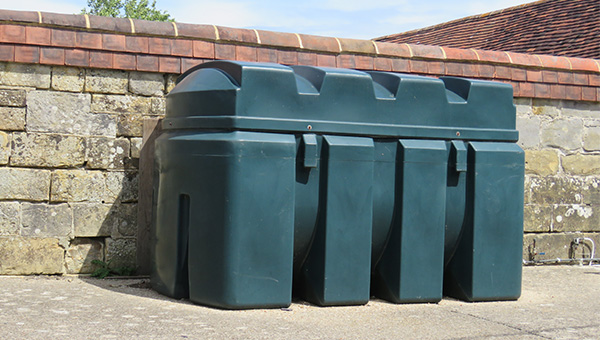
Most oil tanks in the UK come with a gauge on top. This shows the approximate level of fuel inside.
To check your oil safely:
- Look at the gauge during daylight
- Avoid leaning too heavily on the tank
- Use a dipstick only if trained
- Never open the tank unnecessarily
If your gauge appears faulty or stuck, replace it as soon as possible. A broken gauge gives false confidence and is a common cause of unexpected run-outs.
Should you fill your oil tank to the brim every time?
In most cases, yes – especially before winter.
A full tank offers several advantages:
- Better economy through bulk ordering
- Less chance of condensation inside the tank
- Protection against sudden cold snaps
- Lower risk of rust in metal tanks
- Peace of mind for months
Partial fills can work if your budget is limited, but frequent small deliveries may cost more in the long run due to delivery charges and rising prices.
If possible, aim for a full refill at least once a year, ideally before winter.
Is it okay to top up instead of filling from empty?
Topping up is not just okay – it is recommended. Unlike petrol or diesel for vehicles, heating oil tanks are designed for gradual top-ups over time.
Topping up when the tank reaches 25–30% keeps the system healthy and consistent.
Think of it as preventative maintenance rather than waiting for a breakdown.
Does the type of tank affect when to fill?
Yes, different tanks can behave differently.
Plastic tanks
- More common in modern homes
- Not affected by rust
- Still vulnerable to empty-tank condensation
- Should not be allowed to run dry
Steel tanks
- Older but still in use in many properties
- Prone to internal corrosion when empty
- Should always be kept above 25%
- Benefit significantly from summer top-ups
If you own an older steel tank, keeping it topped up is even more important to prevent rust and leakage.
Can running low increase your heating bills?
Surprisingly, yes.
A tank running low forces the boiler to work harder. Sludge can restrict oil flow, reducing efficiency. This means your system burns more fuel to achieve the same heating level, which increases your costs.
Keeping the tank in an optimal range improves efficiency and saves money over the long term.
Smart technology for oil monitoring
Many households now use smart oil monitoring devices that display levels in real time on a smartphone. These systems can:
- Send alerts when oil is low
- Track usage patterns
- Help predict refill dates
- Prevent accidental run-outs
While this isn’t essential, it is a valuable upgrade for people who prefer complete accuracy and convenience.
Should landlords fill tenants’ oil tanks?
In most cases:
- Landlords are responsible for the tank and system
- Tenants are responsible for the oil they use
- Responsibilities should be clearly stated in the contract
However, a landlord can still be liable if a run-out results in damage caused by a faulty tank or neglected maintenance.
Clear communication and regular inspections protect both parties.
Emergency oil deliveries
Even with planning, emergencies can happen. Vehicles break down, weather causes disruption, or usage increases unexpectedly. In such cases, 123 Oil are often chosen for their dependable service and quick response in difficult situations.
That said, emergency deliveries may cost more, which is another reason why early planning is the smarter choice.
Long-term planning: the best strategy
If you want the perfect strategy for oil tank management, follow this simple system:
- Check the level weekly in winter
- Refill at 25–30%
- Top up in summer for lower prices
- Keep records of delivery dates
- Track your average usage
- Inspect the tank annually
This routine will ensure you never run out, never overspend and always maintain a healthy heating system.
Final thoughts
So, when should you fill your oil tank? The most reliable answer is when it reaches around one-quarter full. That simple rule protects your boiler, prevents breakdowns, gives you flexibility with deliveries and keeps your home warm and safe through every season.
Waiting too long can result in damaged parts, frozen pipes, higher bills and unnecessary stress. Planning turns your oil heating from a risk into a reliable, efficient system.
By staying proactive rather than reactive, you gain peace of mind, long-term savings, and full control over your home’s heating.
Frequently Asked Questions
You should usually order a refill when your oil tank level drops to around 25–30%. This helps avoid running out while allowing enough time for delivery.
It is often cheaper in summer because demand is lower. Winter prices can rise due to increased use during colder weather.
It's not recommended. Letting the tank fall below 20% can pull sludge into the system and damage your boiler or filters.
Most homes refill 2–4 times a year, depending on tank size, insulation, and heating usage.
Sometimes. Larger orders can reduce delivery costs per litre, but it's best to balance this with your budget and storage capacity.