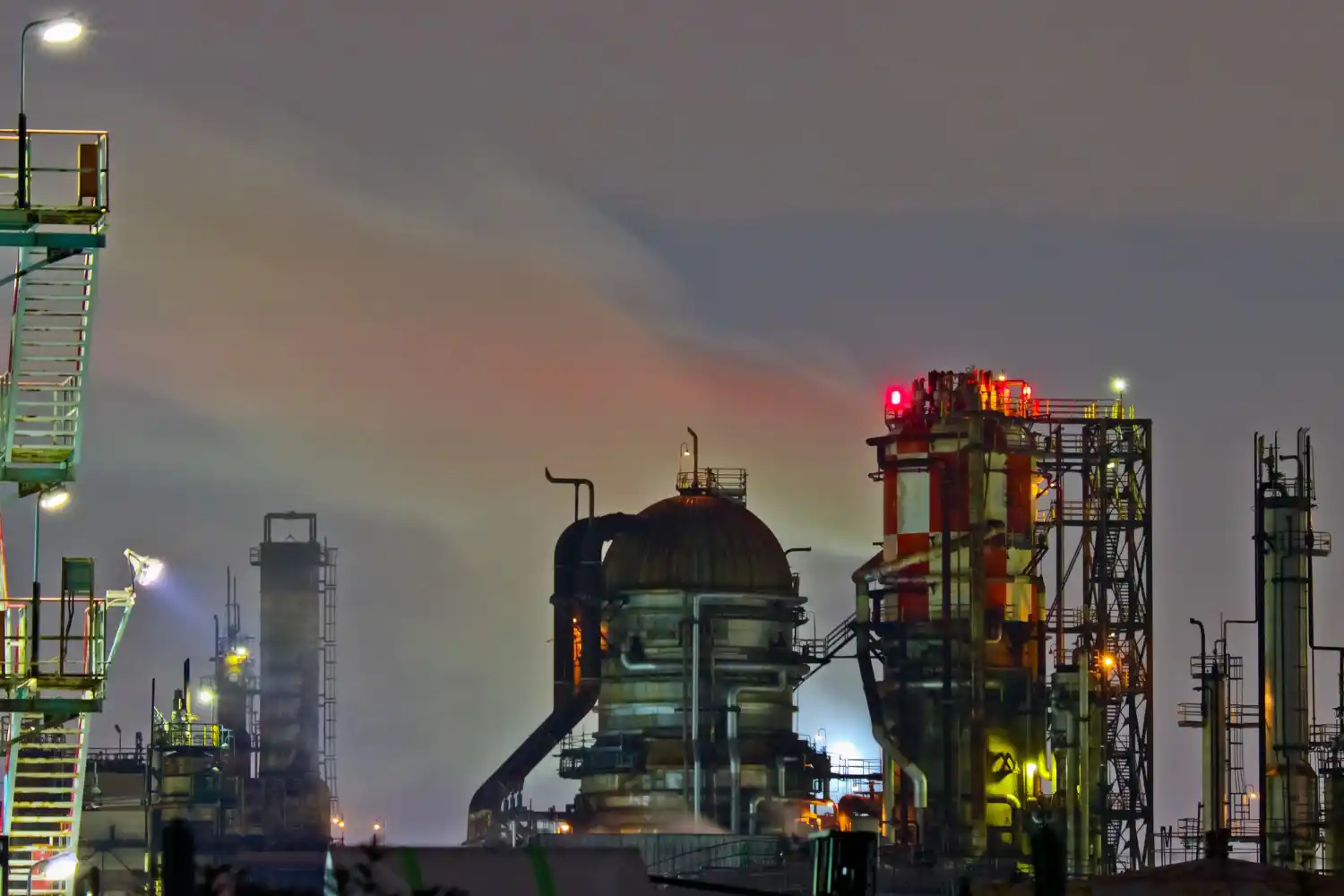
Flaring in oil and gas is the controlled burning of unwanted or excess natural gas at production sites, refineries, processing plants, and other industrial facilities. The gas is directed...
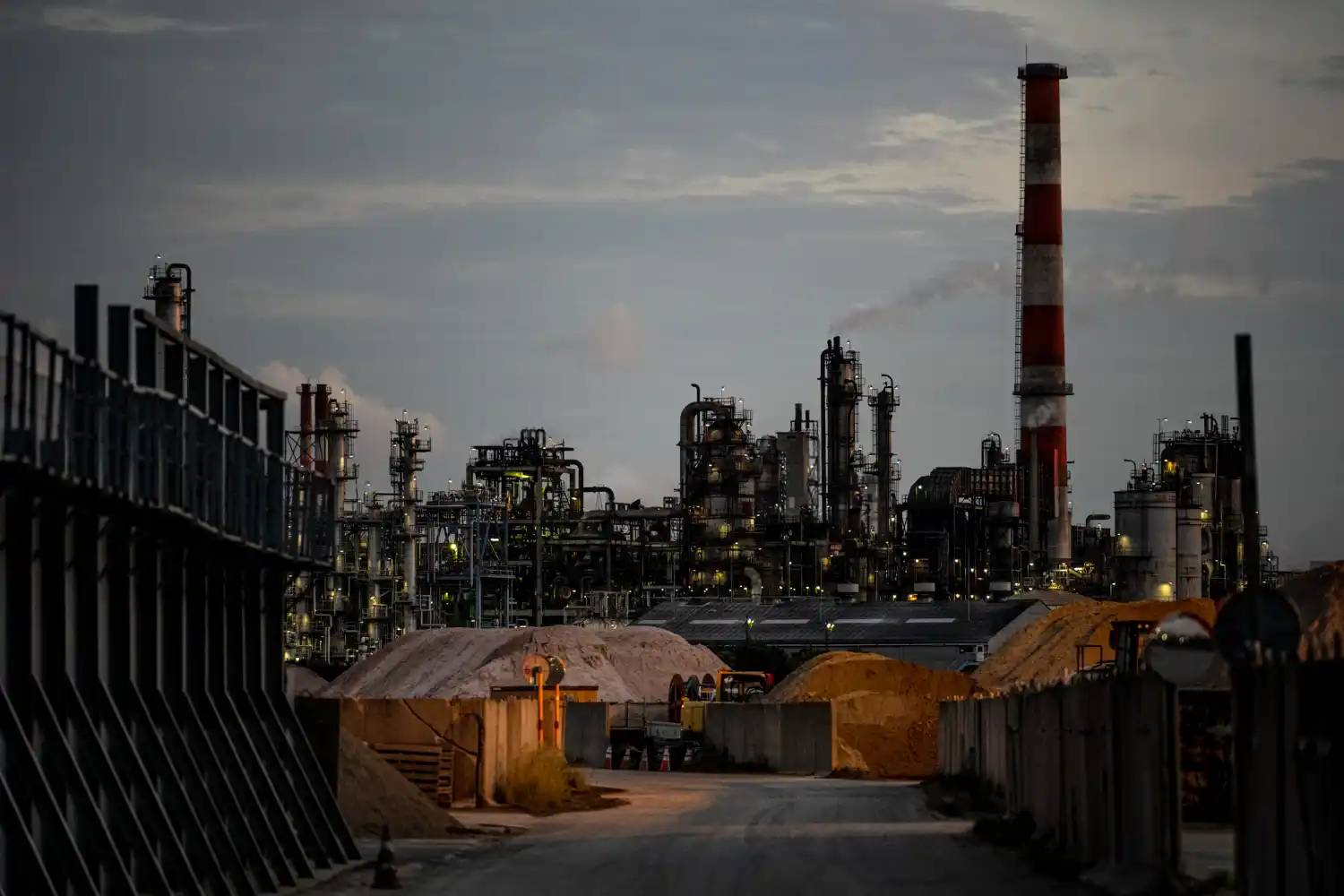
Oil is made into gas by refining crude oil in a refinery. The crude oil is heated and separated through fractional distillation, where lighter fuel fractions are collected. Heavier...
Downstream oil and gas are the final stage of the petroleum industry. It involves refining crude oil, processing fuels, storing products, distributing energy supplies and selling finished...
Coal, oil and gas generate electricity by releasing heat energy through combustion. In most power stations, this heat is used to boil water into high-pressure steam, which spins a turbine...
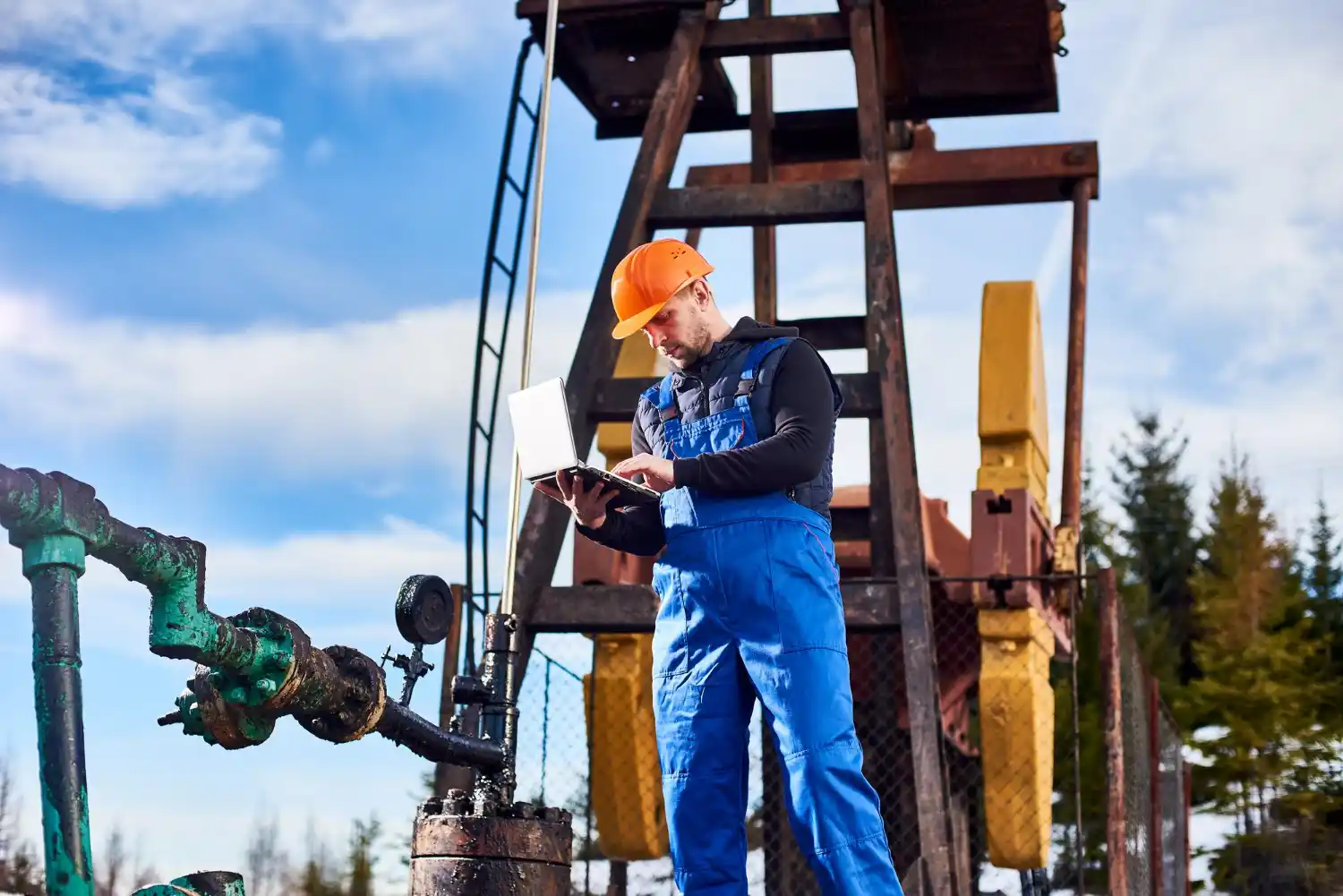
The upstream oil and gas industry is the first stage of the petroleum supply chain. It includes exploration, drilling, well development and production of crude oil and natural gas before...