


How is Gas Oil Made?
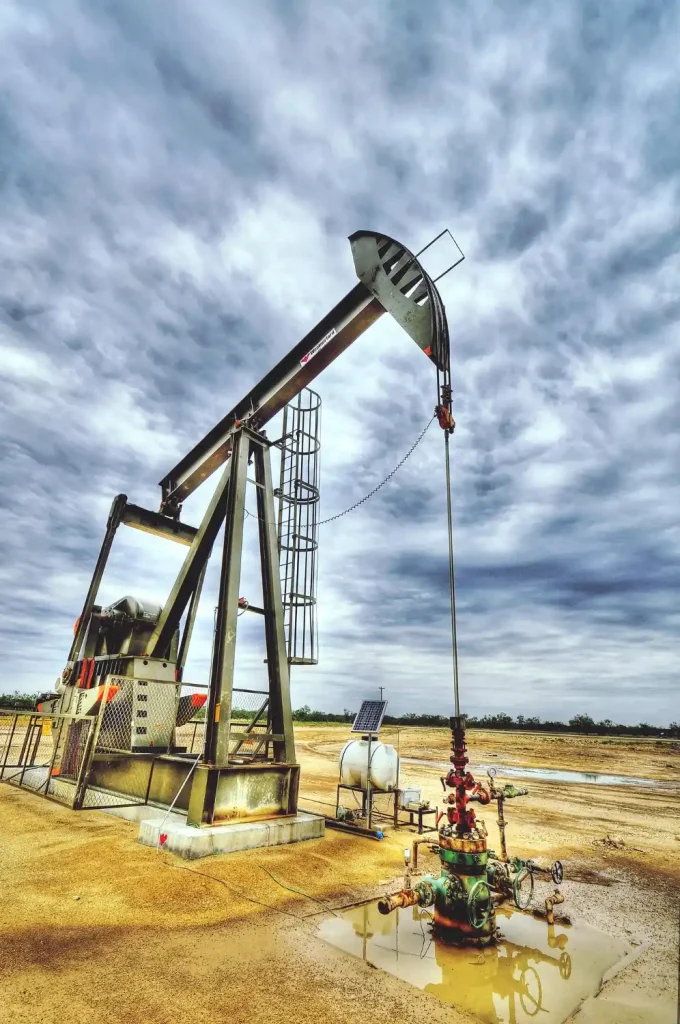
Gas oil is made by refining crude oil. The crude oil is heated and separated through fractional distillation, where heavier fuel fractions are collected. These fractions are then treated to remove impurities, blended to meet fuel standards, and tested before use in machinery, generators, heating systems and industrial equipment. Gas oil is one of those […]
What Is Gas Oil Used For?
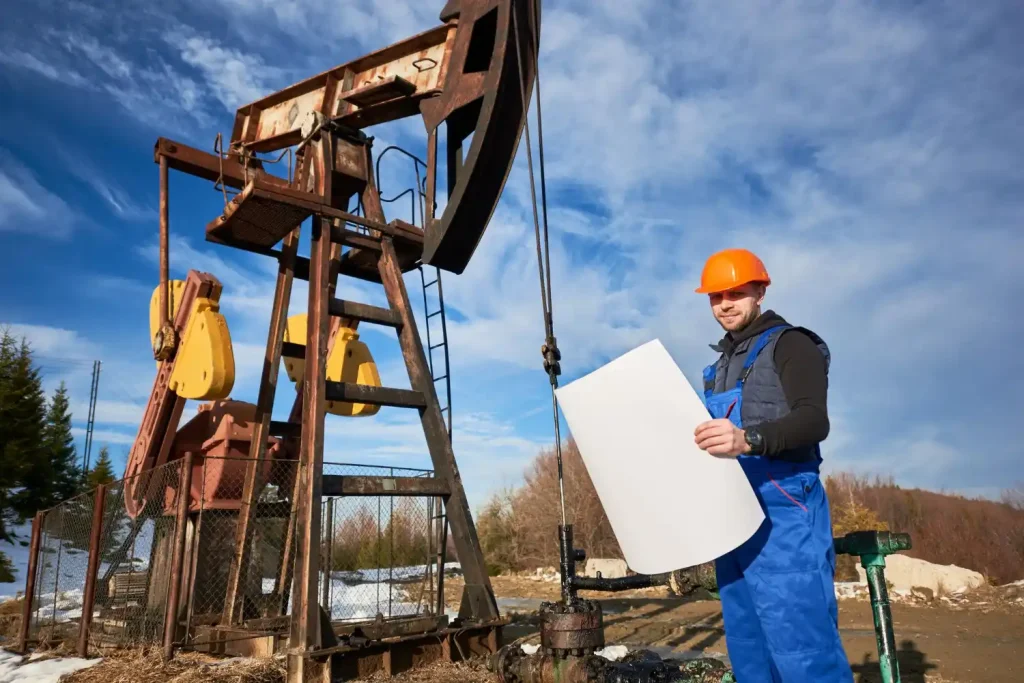
Gas oil is an essential fuel used across multiple industries in the UK, particularly in applications involving heavy-duty machinery and off-road equipment. Many people often confuse it with standard diesel, but gas oil, commonly known as red diesel, has specific uses and legal restrictions that set it apart. In simple terms, gas oil is designed […]
Is Oil Heating Cheaper Than Gas?

Oil heating can be cheaper than gas in some cases, especially when fuel is bought in bulk at lower prices and used efficiently, but oil heating can be cheaper when bought in bulk, while gas heating offers more stable and predictable pricing, and overall costs vary because they depend on location and energy usage, with […]
Why Is Ethanol Described as a Biofuel?

Ethanol is described as a biofuel because it is produced from biological materials such as crops and plant residues. It is renewable, derived from recently grown biomass, and forms part of a short-term carbon cycle, meaning it releases carbon previously absorbed during plant growth, unlike fossil fuels. As the United Kingdom continues its transition towards […]
Who Pays for Septic Tank Inspection?
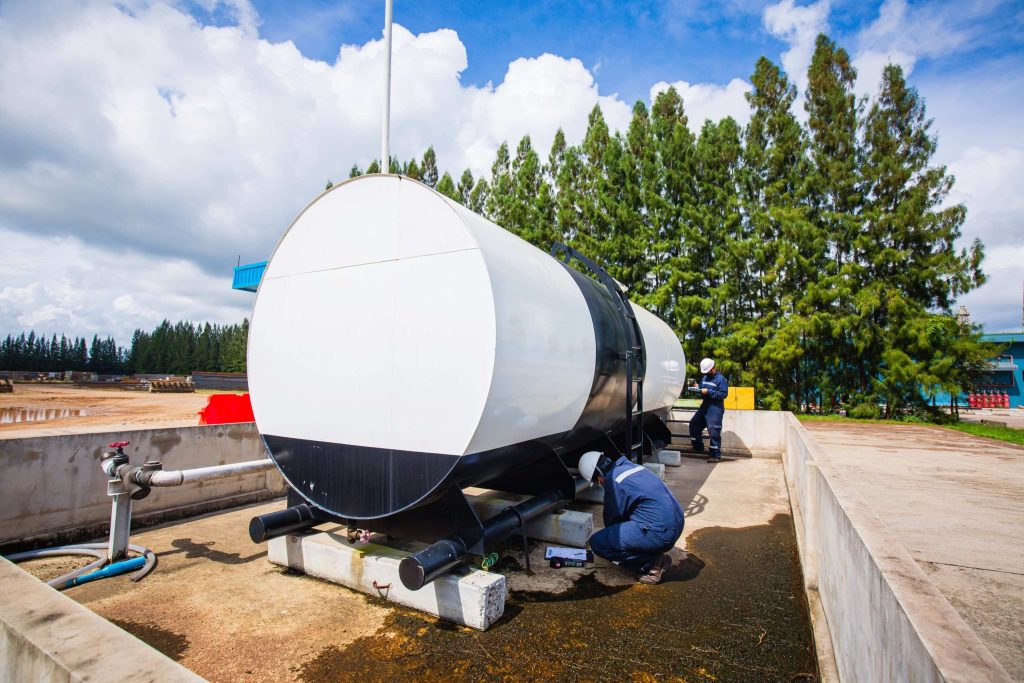
Who pays for a septic tank inspection depends on the situation. Homeowners pay for routine inspections and maintenance, while buyers or sellers may share costs during a property transaction. Landlords are responsible for inspections in rental properties. Hiring a qualified professional, such as those recommended by 123 Oil, ensures accurate assessment, compliance with UK regulations, […]
When Is Tank Cleaning & Inspection Required?

Tank cleaning is typically required every 5–10 years or sooner if there is sludge, water contamination or leaks, and inspection should be done annually or when there is visible damage, ageing (15+ years), or after severe weather. Oil storage tanks play a crucial role in homes, farms and commercial premises across the UK. Whether you […]
What Is Paraffin?

Paraffin is a flammable hydrocarbon liquid derived from crude oil, used for heating, lighting, industrial processes, and cosmetic applications. High-quality grades like Premium Paraffin C1 burn cleaner, produce less odour, and are safer for home or commercial use. Paraffin should be stored in sealed containers, kept away from heat, and handled carefully to prevent fire […]
What Is Biofuel?

Biofuel is a renewable fuel made from biological materials such as crops, waste oils, and organic residues. It can be used for transport, heating, and electricity, offering lower carbon emissions and renewable energy solutions. As the world moves towards cleaner energy solutions, biofuel has become a key player in the renewable energy sector. In the […]
Is Kerosene the Same as Paraffin?

Kerosene and paraffin are often used interchangeably, especially in the United Kingdom. Many households and businesses rely on these fuels for heating, lighting, and industrial purposes, yet there is confusion about whether they are truly the same substance. Understanding the similarities, differences, applications, and safety considerations of kerosene and paraffin is essential for consumers and […]
Is Biofuel Renewable?

Yes, biofuel is renewable. It is produced from biological materials such as crops, waste oils, and residues, which can be replenished naturally. Biofuel supports low-carbon transport, heating, and electricity, making it a sustainable energy source. As the world increasingly shifts towards cleaner energy sources, one question often arises: Is biofuel renewable? In the United Kingdom, […]