

What Does UKCS Mean in Oil and Gas?
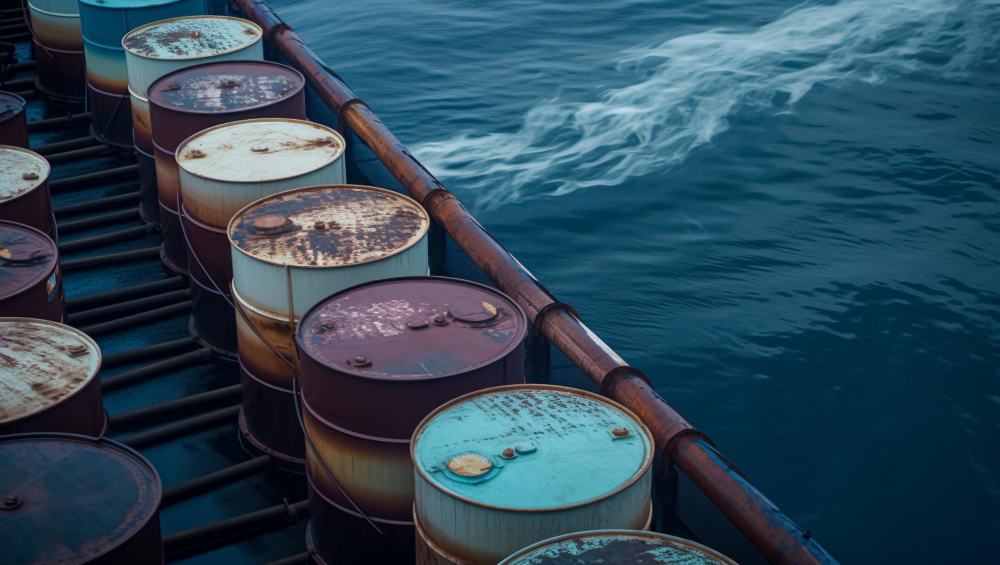
UKCS stands for the United Kingdom Continental Shelf. It refers to offshore seabed and subsoil areas where the UK has rights to explore and develop natural resources, including oil and natural gas. The oil and gas industry uses numerous abbreviations to describe equipment, organisations, regulations and geographical areas. One of the most important terms used […]
What is Onshore and Offshore in Oil and Gas?
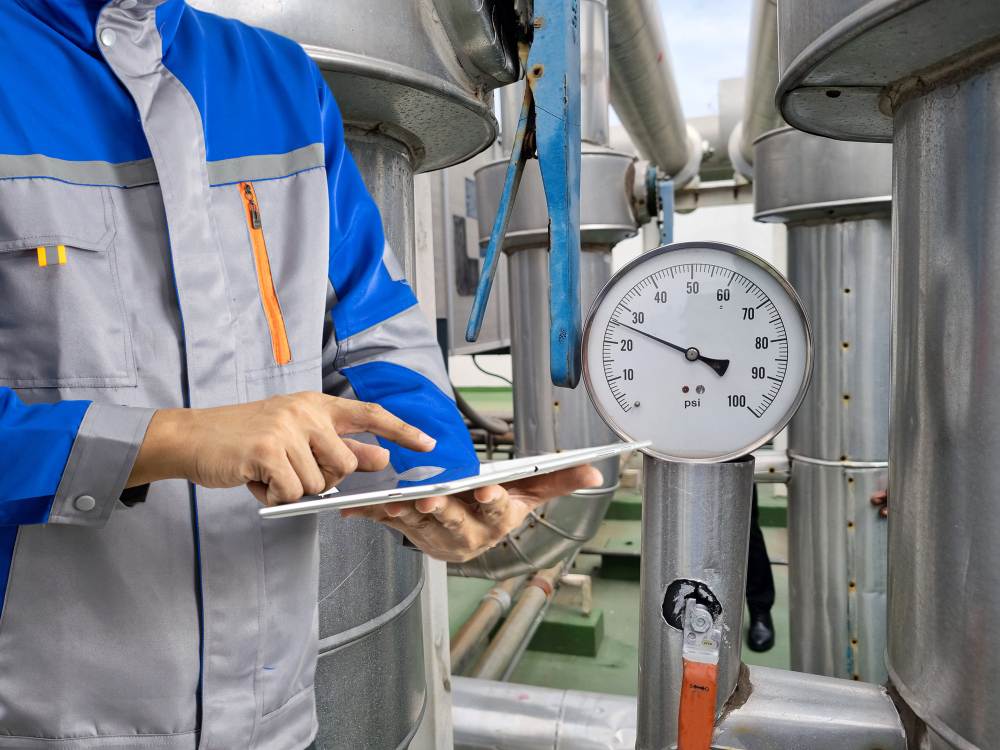
Onshore oil and gas operations take place on land, while offshore operations occur at sea using platforms, floating facilities and subsea equipment. Both involve exploring, drilling and producing hydrocarbons, but they differ in cost, technology, working conditions, transport and environmental risks. Oil and natural gas are found in underground rock formations across many different environments. Some […]
What is Hot Tapping in Oil and Gas?
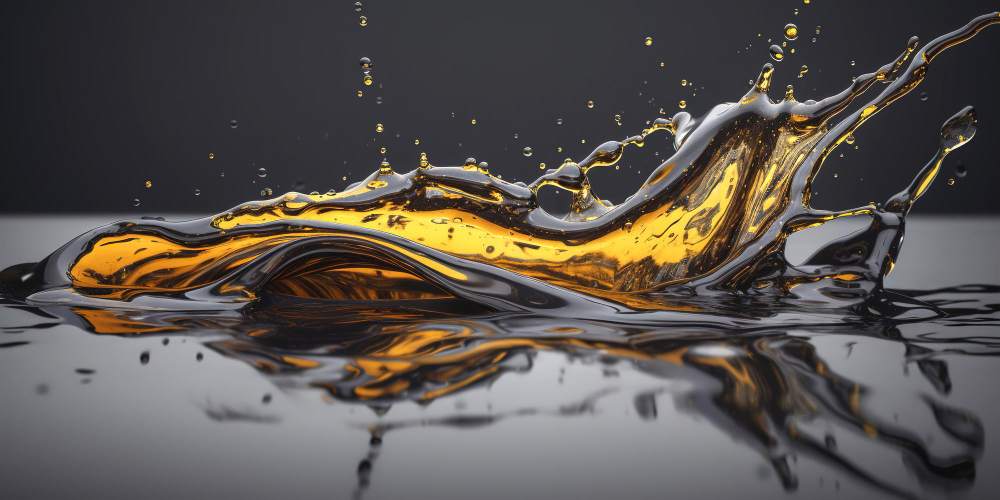
Hot tapping is a specialist method of connecting to a live, pressurised pipeline or vessel without shutting it down. It allows operators to add branches, valves or monitoring equipment while maintaining the flow of oil, gas or another product. Oil and gas pipelines often need to be modified, repaired or expanded while they remain in […]
What is Refining in Oil and Gas?

Refining in oil and gas is the industrial process of separating, converting, and treating crude oil and raw natural gas. It removes impurities and transforms raw hydrocarbons into petrol, diesel, heating oil, jet fuel, LPG, chemicals, and usable natural gas. Crude oil and natural gas are valuable natural resources, but they are rarely ready for […]
What is Safety Case in Oil and Gas?

A safety case in oil and gas is a structured document showing how major accident risks are identified, controlled, and reduced to an acceptable level. It explains the facility, hazards, safety systems, emergency arrangements, workforce involvement, and management measures used to protect people and the environment. Oil and gas operations involve complex equipment, high pressures, […]
What is Flaring in Oil and Gas?
Flaring in oil and gas is the controlled burning of unwanted or excess natural gas at production sites, refineries, processing plants, and other industrial facilities. The gas is directed through a flare stack and ignited to reduce pressure, maintain operational safety, and dispose of gas that cannot be stored, processed, or transported. Although flaring can prevent […]
How is Oil Made into Gas?

Oil is made into gas by refining crude oil in a refinery. The crude oil is heated and separated through fractional distillation, where lighter fuel fractions are collected. Heavier oil fractions can then be broken down through cracking to create more petrol-like fuel. The fuel is then treated, blended and tested before it is supplied […]
What is Downstream Oil and Gas?

Downstream oil and gas are the final stage of the petroleum industry. It involves refining crude oil, processing fuels, storing products, distributing energy supplies and selling finished petroleum products to homes, businesses and industries. Common downstream products include petrol, diesel, heating oil, kerosene, lubricants, LPG, jet fuel and petrochemicals. The oil and gas industry is […]
How Is Coal, Oil and Gas Used to Generate Electricity?

Coal, oil and gas generate electricity by releasing heat energy through combustion. In most power stations, this heat is used to boil water into high-pressure steam, which spins a turbine connected to a generator. Natural gas can also be burned directly in a gas turbine, where hot gases spin turbine blades to produce electricity. The […]
What is the Upstream Oil and Gas Industry?

The upstream oil and gas industry is the first stage of the petroleum supply chain. It includes exploration, drilling, well development and production of crude oil and natural gas before they are transported, refined or sold. In simple terms, upstream companies find underground oil and gas reserves and bring them safely to the surface. The […]