


How Often Should Hydraulic Oil Be Changed?
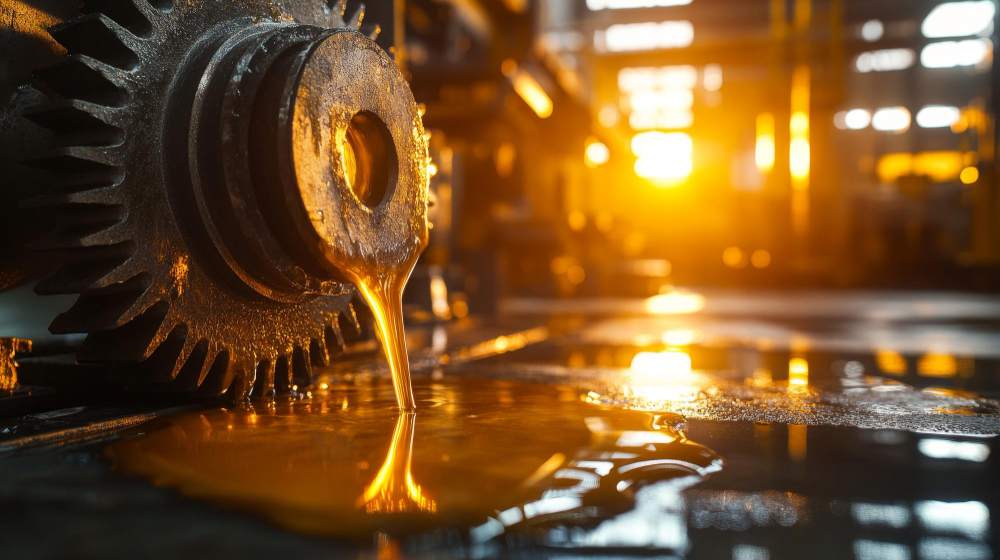
Hydraulic oil should be changed based on manufacturer recommendations, operating hours, oil contamination levels, temperature conditions, and system performance indicators to ensure optimal efficiency and prevent equipment damage. Hydraulic systems are the backbone of many industrial machines, vehicles, and equipment. From construction machinery to agricultural tools and manufacturing plants, hydraulic oil is the lifeblood that […]
How to Check Viscosity of Hydraulic Oil?

To check the viscosity of hydraulic oil, collect a clean oil sample, compare flow at room temperature, measure with a viscometer or viscosity cup, and confirm results through laboratory oil analysis. Always compare the measured value with the manufacturer’s recommended ISO viscosity grade. Viscosity is one of the most important properties of hydraulic oil. It […]
How to Dispose of Hydraulic Oil?

To dispose of hydraulic oil safely, collect it in approved containers, use licensed waste oil collection services, avoid pouring it down drains or soil, and recycle or hand it over to certified facilities. Hydraulic oil is an essential component in machinery and industrial systems, enabling smooth power transmission, lubrication, and heat control. Over time, however, […]
How to Remove Hydraulic Oil from Tarmac?

To remove hydraulic oil from tarmac, absorb fresh oil immediately, apply a degreasing cleaner, scrub with a stiff brush, and rinse with hot water, repeating the process until the stain fades. Hydraulic oil spills on tarmac are more than just unsightly. If left untreated, they can permanently stain the surface, weaken the binding materials, and […]
How to Remove Water from Hydraulic Oil?

To remove water from hydraulic oil, identify the level of contamination, use filtration or vacuum dehydration, heat the oil to evaporate moisture when safe, and replace severely contaminated oil, while also fixing the source of water entry. Water contamination is one of the most damaging problems in hydraulic systems. Even small amounts of moisture can […]
What Does ISO Stand for in Hydraulic Oil?

ISO in hydraulic oil stands for International Organization for Standardization, and it refers to standard viscosity grades that classify how thick or thin the oil is at 40°C, helping users select the correct oil for equipment performance and protection. When choosing hydraulic oil, one of the most common labels you will see is ISO, followed […]
What Is the Best Hydraulic Oil for a Log Splitter?
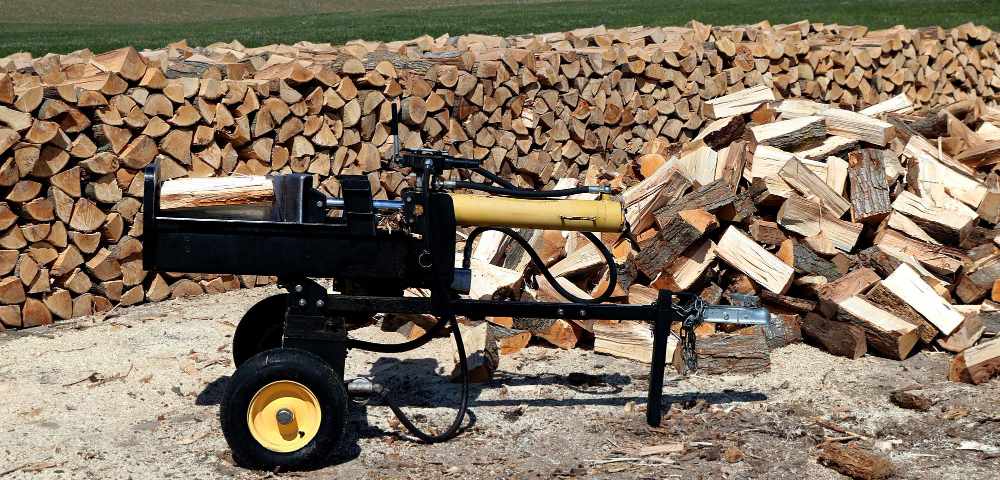
The best hydraulic oil for a log splitter is high-quality, anti-wear hydraulic oil with the correct ISO viscosity grade, designed to operate in varying temperatures, prevent foaming, and protect hydraulic components from wear and corrosion. Log splitters are essential tools for quickly and efficiently processing firewood. Whether for personal use or professional work, the hydraulic […]
Which Oil Can Be Used Within Hydraulic Systems?
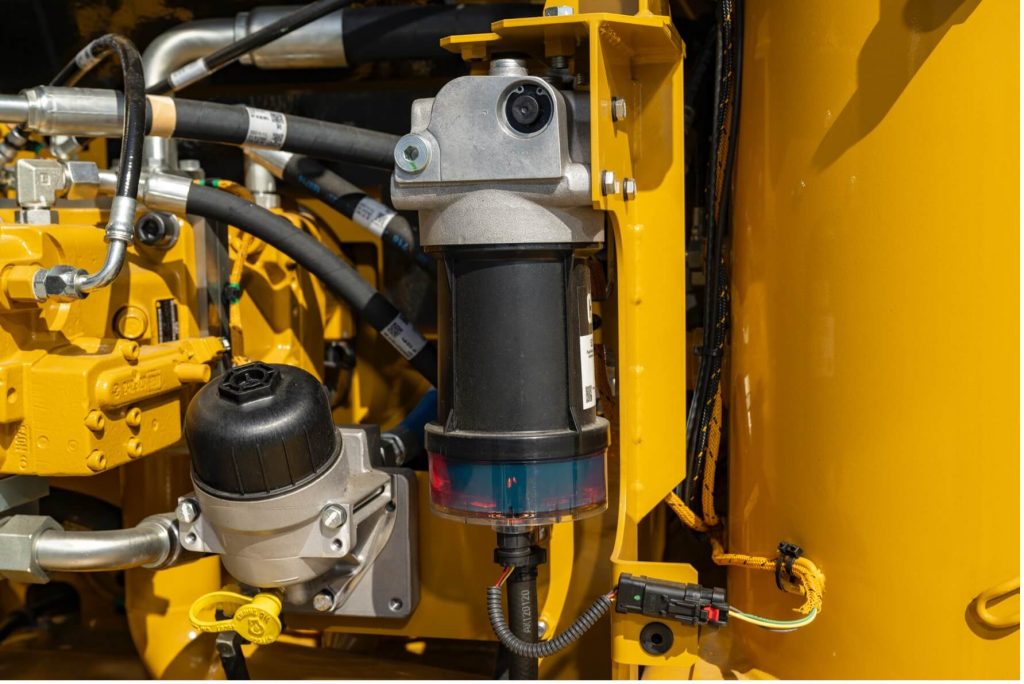
Hydraulic systems use specially formulated hydraulic oil, typically mineral oil, synthetic oil, or biodegradable oil, designed to transmit power, reduce wear, prevent corrosion, and manage heat. The correct oil depends on operating temperature, pressure, equipment design, and environmental regulations. Hydraulic systems are the backbone of many industries, from construction and manufacturing to agriculture and transport. […]
Why Do Hydraulic Systems Use Thin Oil?
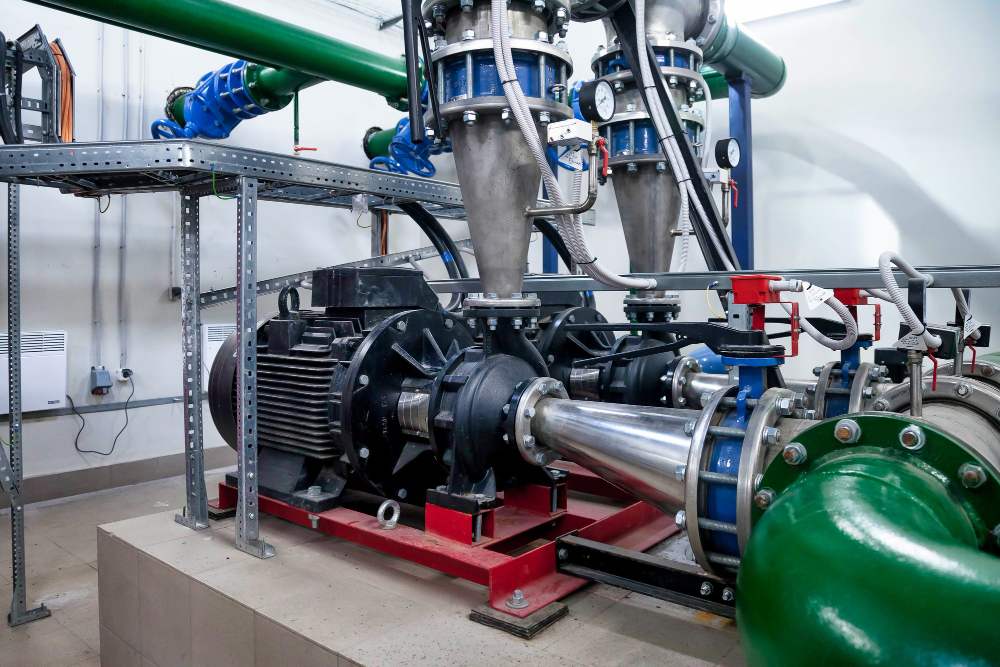
Hydraulic systems use thin oil because it flows easily through narrow passages, responds quickly to pressure changes, reduces energy loss, and provides sufficient lubrication without causing drag. Thin oil also helps prevent overheating and ensures smooth, efficient power transmission across the system. Hydraulic systems are designed to move heavy loads with precision and reliability. From […]
Can Farmers Use Red Diesel?

Farmers can use red diesel legally in off-road vehicles and farm machinery. It is tax-exempt, safe for tractors and harvesters, but illegal in road vehicles. Proper storage, record-keeping, and using high-quality suppliers like 123 Oil ensures compliance. Fuel costs are a major concern for farmers, and understanding which fuels are legal and cost-effective is essential. […]