


How to Replace a Heating Oil Tank?
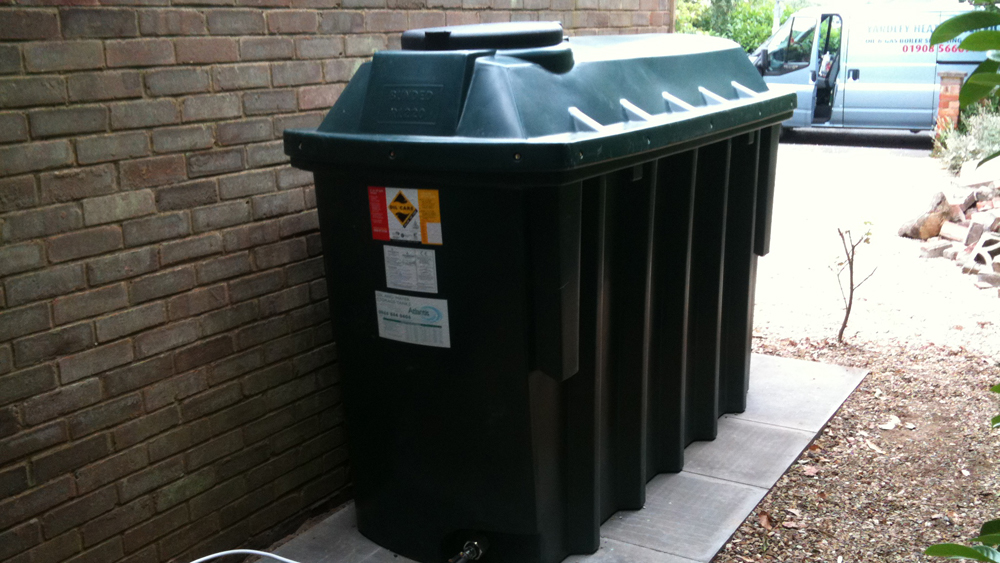
Replacing a heating oil tank involves several key steps: drain the old tank, disconnect pipework safely, prepare a strong non-combustible base, position the new tank at safe distances, connect pipework and valves, and fill and bleed the system. Using a certified professional ensures safety, compliance with UK regulations, and protection against leaks and environmental damage. […]
Do I Need a New Oil Tank When Replacing Boiler?
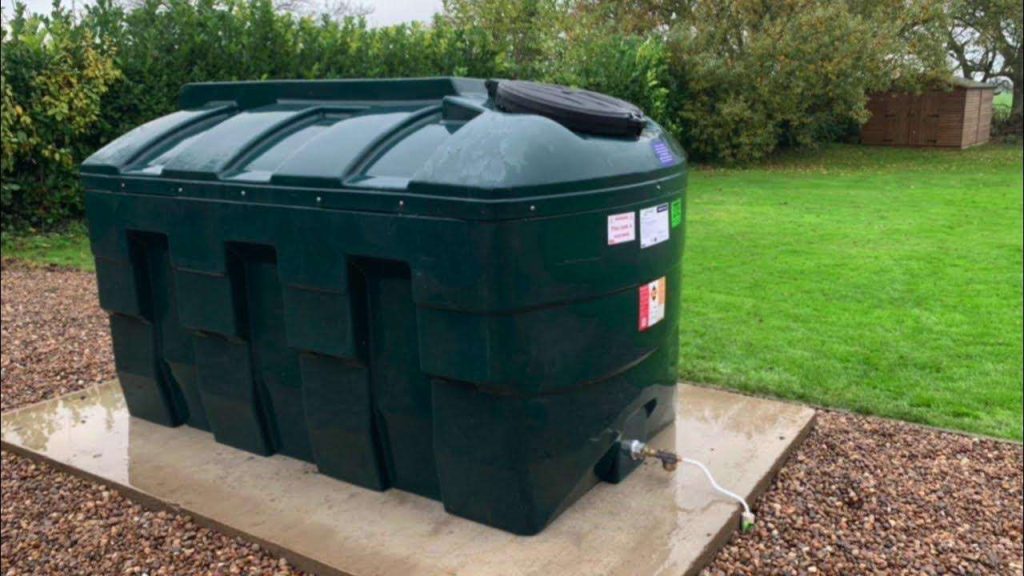
When replacing a boiler, you may need a new oil tank if the existing one is old, corroded, leaking, or non-compliant. A new tank should be properly sized, meet OFTEC regulations, and be compatible with your boiler. Replacing or upgrading the tank ensures safety, environmental protection, reliable fuel supply, and improved boiler efficiency. Certified professionals […]
How to Protect Oil Tank from Theft?
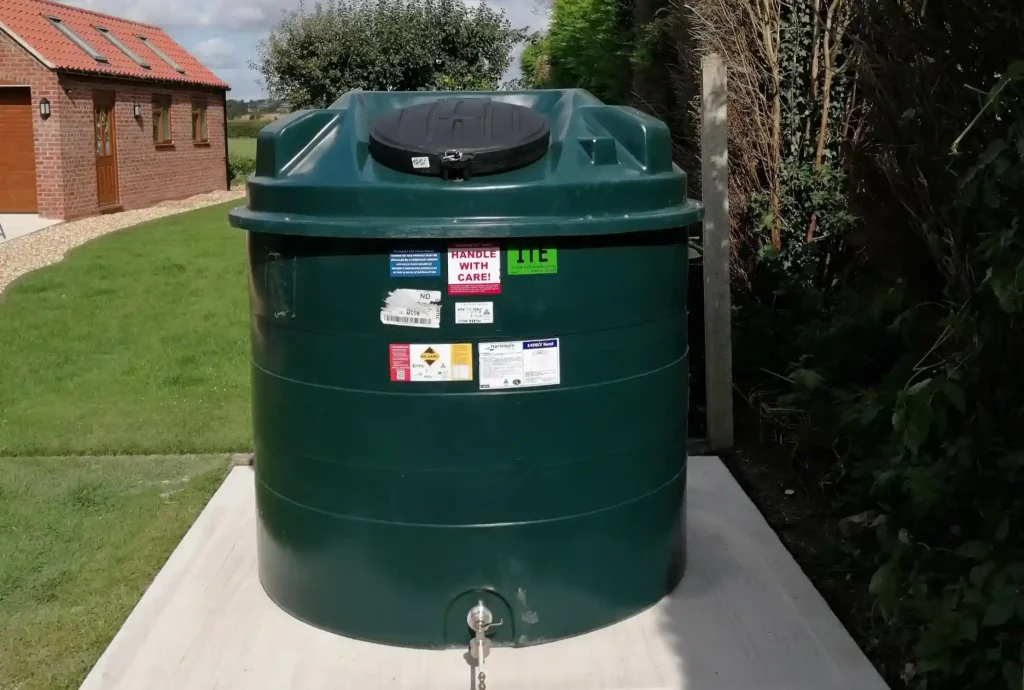
To protect your oil tank from theft, use a combination of physical security, surveillance, and operational precautions. Install locks, tamper-proof caps, and cages, place the tank in a visible, well-lit location, monitor fuel levels with smart sensors, and maintain clear access for deliveries. Ensuring your tank is secure, monitored, and well-maintained reduces the risk of […]
What Happens If My Oil Tank Is Empty?
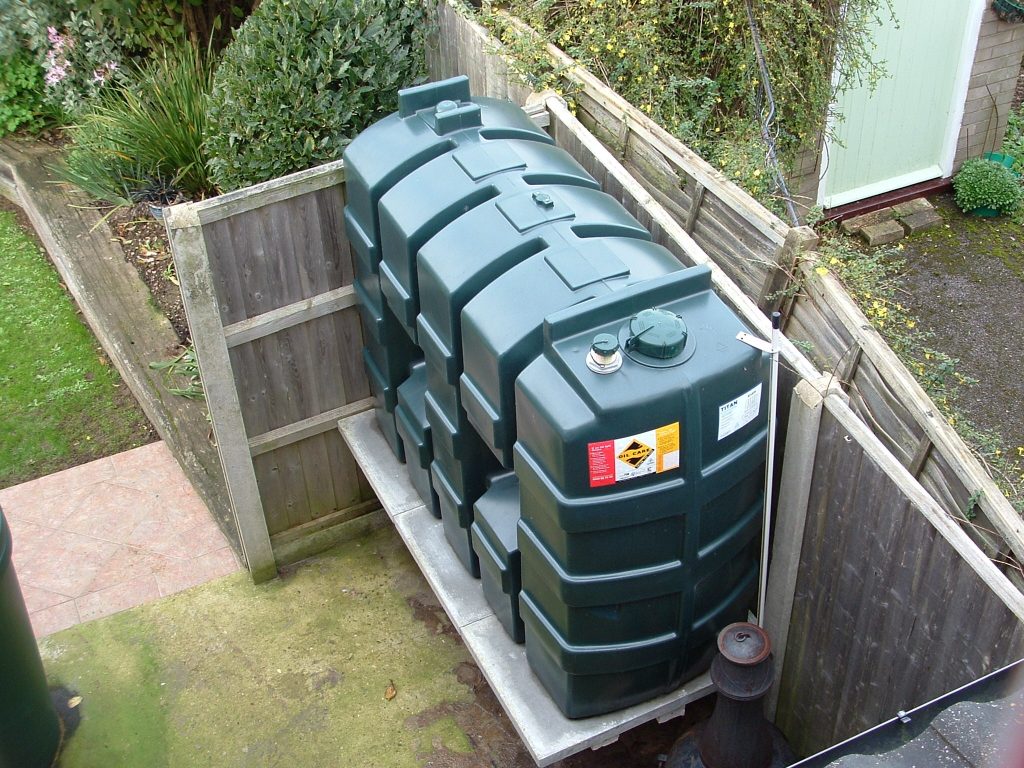
If your oil tank is empty, your boiler will stop working immediately as air enters the fuel line. This can lead to blocked filters, damaged pumps, loss of heating and hot water, and costly repairs. In winter, it may also cause frozen or burst pipes. To avoid damage, refill the tank at 25% and arrange […]
What to Do with Old Plastic Oil Tank?
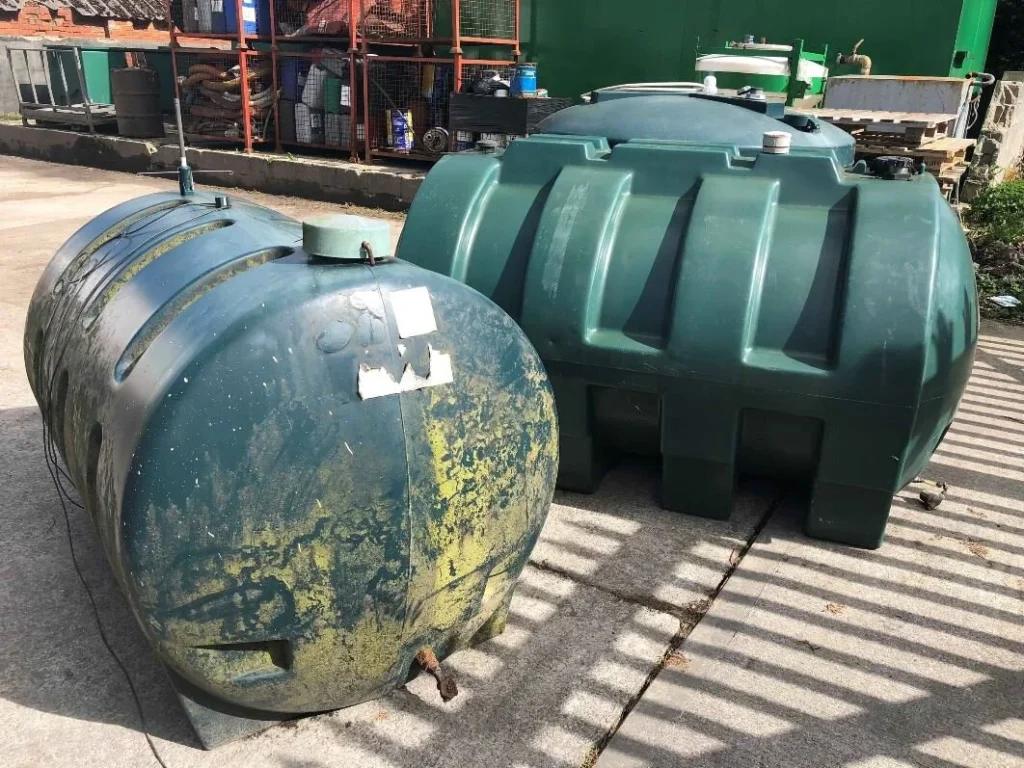
An old plastic oil tank should be properly drained, cleaned, and either removed, recycled, or repurposed. Professional removal ensures safety, legal compliance, and environmental protection, while clean tanks can be repurposed for water storage, composting, or garden use. Retaining a tank in situ requires it to be empty, capped, and regularly inspected. Using certified services […]
When Did Oil Tank Regulations Change?
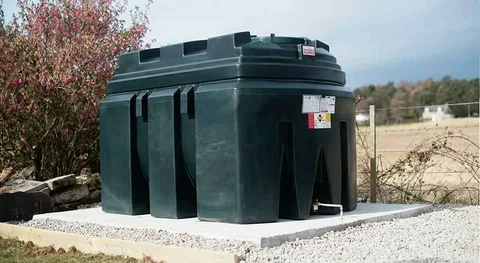
Oil tank regulations in the UK changed significantly in September 2001, when new Building Regulations introduced stricter rules for installation and safety. These included safe distance requirements, fire protection, proper bases, and the use of bunded tanks in sensitive areas. Since then, regulations have continued tightening to prevent environmental damage, leaks, and pollution, making modern […]
When Should You Fill Your Oil Tank?
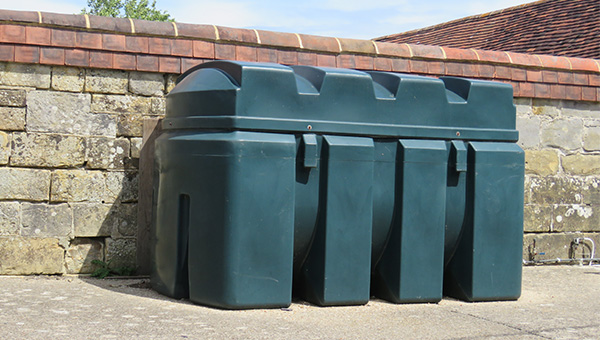
You should fill your oil tank when it reaches around 25–30% capacity. This prevents your system from running dry and reduces the risk of sludge entering your boiler. The best time to refill is during late spring or summer, when demand and prices are often lower. Keeping at least a quarter tank full ensures reliable […]
Where Should an Oil Tank Be Placed?
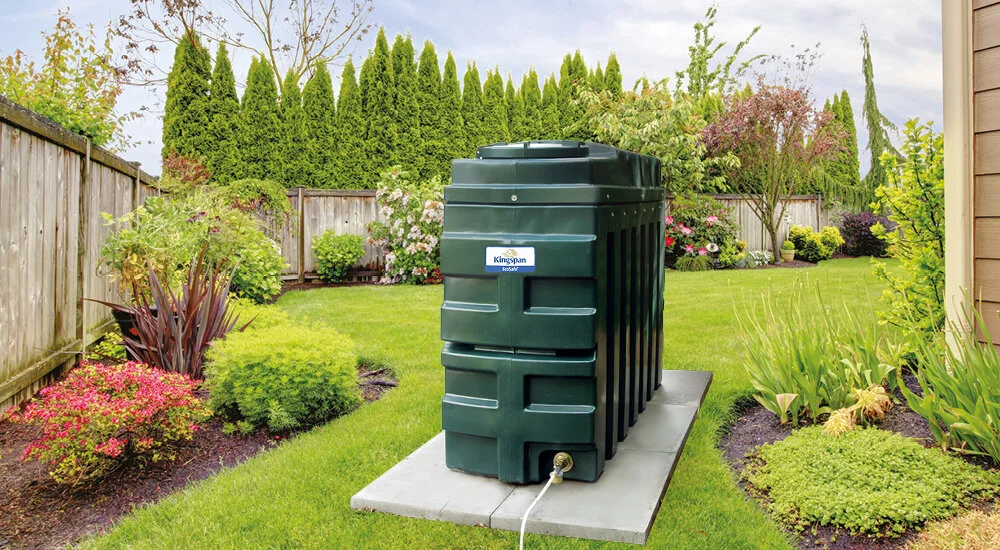
An oil tank should be placed on a flat, non-combustible base at a safe distance from buildings, heat sources and boundaries. In the UK, tanks must be located at least 1.8 metres away from houses, doors and windows, and 760mm from fences or boundaries. It should also be positioned away from drains, streams and flood-prone […]
How Big is My Oil Tank?
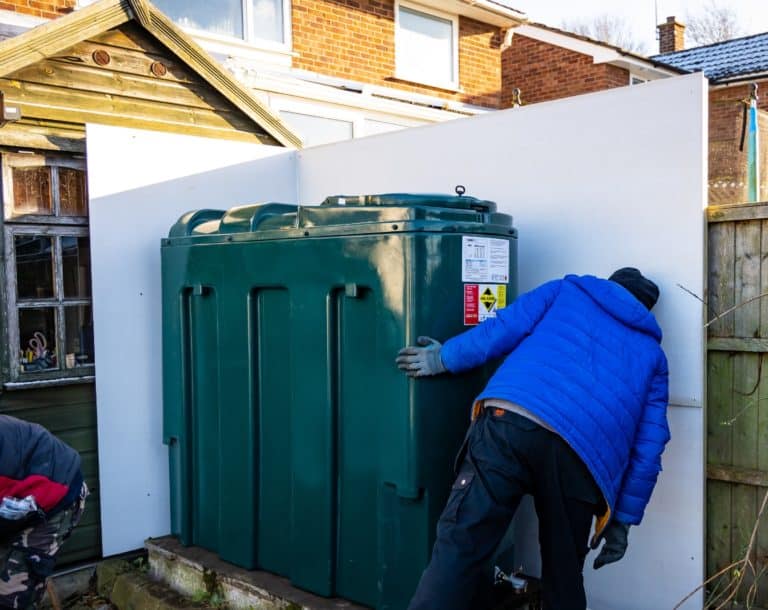
To determine how big your oil tank is, measure its dimensions: for rectangular tanks, use length × width × height; for cylindrical tanks, use π × radius² × length. Convert cubic metres to litres by multiplying by 1,000. Typical UK domestic tanks range from 500 litres to over 3,500 litres, depending on household size and […]
What Size Oil Tank Do I Need?
The size of your oil tank depends on household heating demand, property size, and delivery frequency. Typical UK domestic tanks range from 500 litres to over 3,500 litres. Choose a tank that is large enough to ensure reliable fuel supply, safe, compliant with OFTEC regulations, and compatible with your boiler. Bunded tanks provide extra environmental […]