


How Much Is a Gallon of Diesel?
In the UK, diesel is sold by the litre rather than the gallon. Using an average diesel price of 188.63p per litre, an imperial gallon of diesel costs approximately £8.58, because an imperial gallon contains 4.546 litres. A US gallon would cost approximately £7.14, as it contains 3.785 litres. Actual prices vary by location, supplier, […]
What’s the Difference Between Petrol and Diesel?
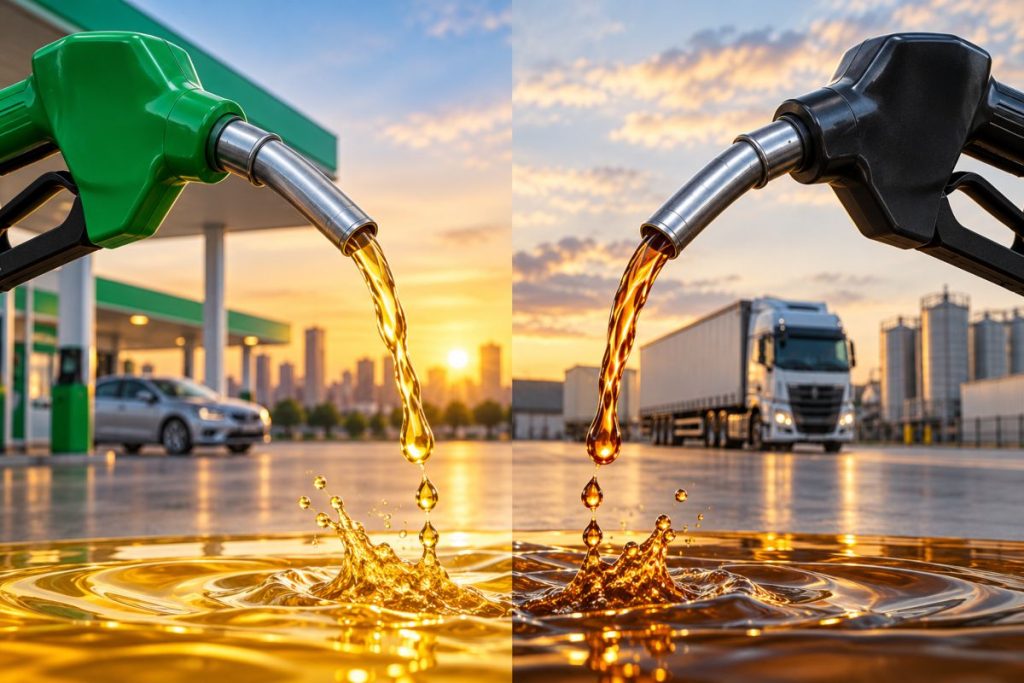
Petrol and diesel are different fuels with different engine designs. Petrol engines use spark plugs to ignite the fuel, while diesel engines use compressed air to ignite the fuel. Diesel generally offers better fuel economy, higher low-speed torque and stronger performance for heavy loads, whereas petrol engines are usually smoother and better suited to short […]
Does Diesel Last Longer Than Petrol?
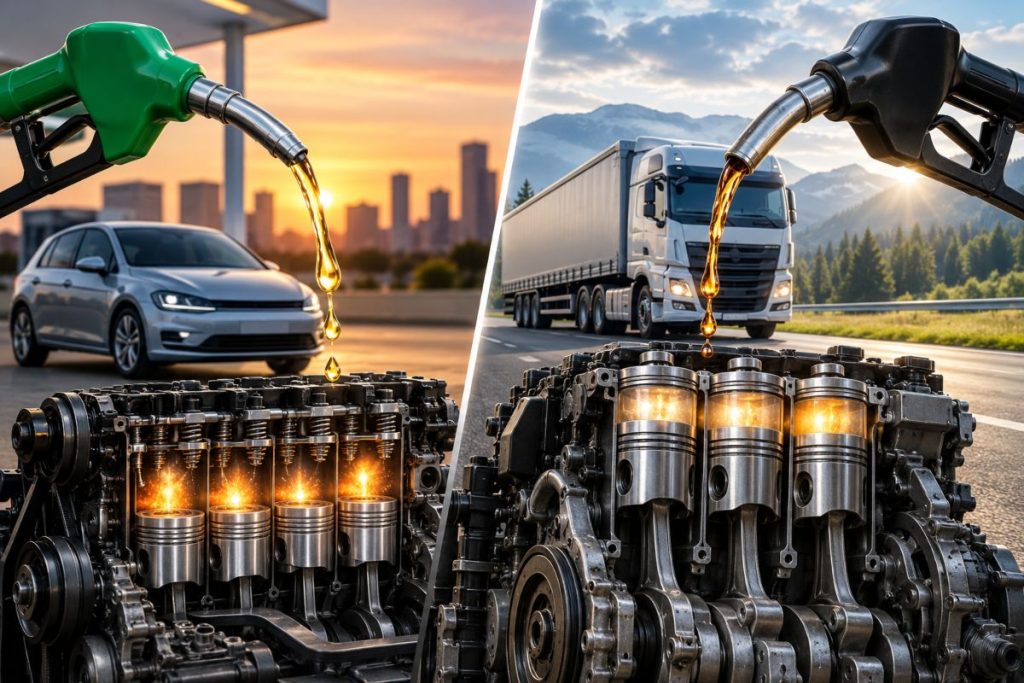
Diesel engines can often last longer than petrol engines because they are built to withstand higher compression and are commonly designed for heavy-duty use. Diesel vehicles can also travel further on a tank of fuel because diesel engines are generally more fuel-efficient. However, diesel fuel itself does not automatically last longer in storage. Both diesel […]
Why is Diesel More Expensive Than Gas?
Diesel is often more expensive than petrol because it costs more to refine, has higher demand from commercial industries, is affected by stricter fuel-quality requirements and is influenced by global supply and demand conditions. Diesel is heavily used by trucks, transport fleets, agriculture, construction equipment, generators and industrial operations, which can increase demand and affect […]
Is E5 or E10 Petrol or Diesel?
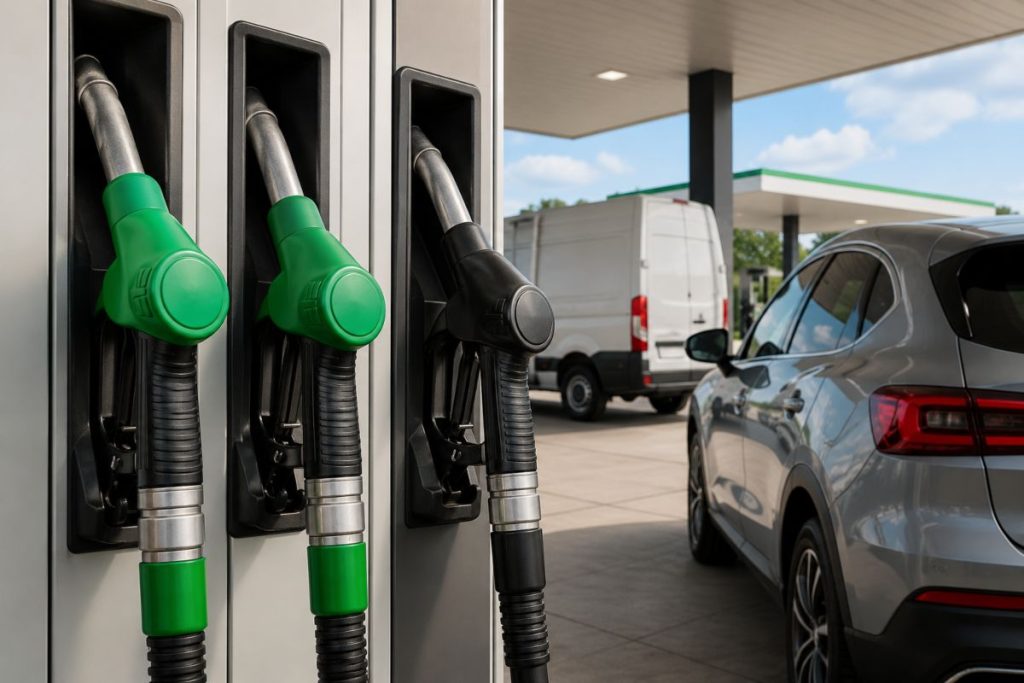
E5 and E10 are petrol fuels, not diesel. The “E” stands for ethanol. E5 petrol contains up to 5% ethanol, while E10 can contain up to 10% ethanol. Diesel uses different fuel labels, such as B7, where the “B” refers to biodiesel content. Most modern petrol vehicles can use E10, while some older or classic […]
What is B7 Diesel? A Complete Guide to Uses, Benefits and Compatibility
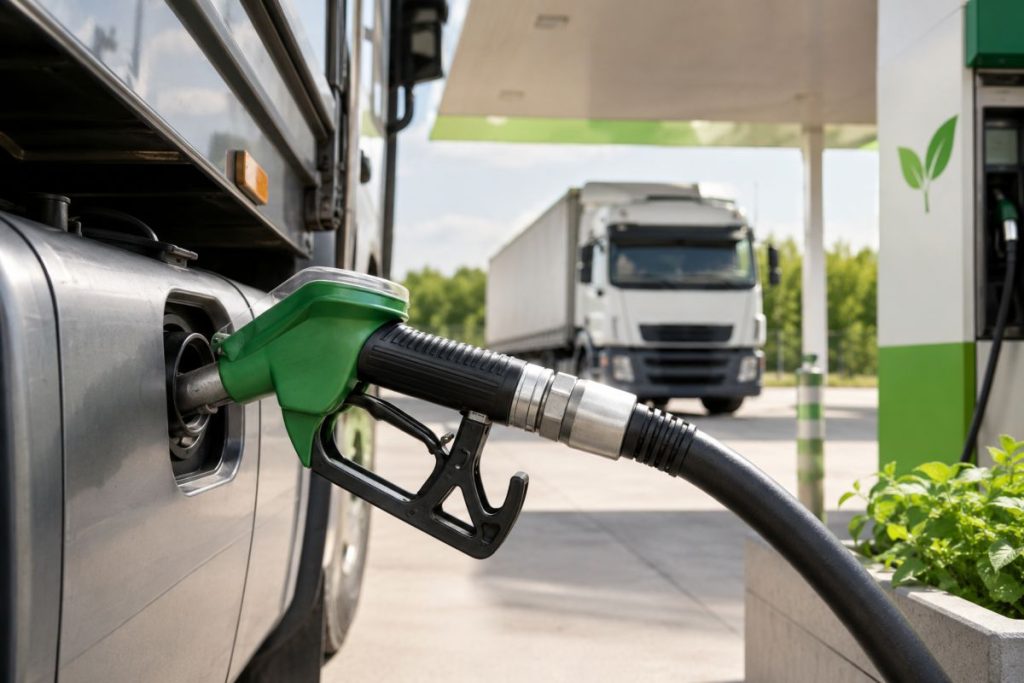
So, the answer is: B7 diesel is conventional diesel blended with up to 7% biodiesel, usually FAME, by volume, with the remainder primarily made up of fossil-derived diesel. It is the standard diesel commonly sold at UK filling stations and is designed for use in most diesel cars, vans, lorries and suitable machinery without vehicle […]
What Happens If You Put AdBlue in Diesel Tank?

If AdBlue enters a diesel tank, it contaminates the fuel and can damage the fuel pump, injectors and fuel lines. Because AdBlue is water-based and does not provide proper lubrication, it may also cause corrosion, crystal deposits, poor engine performance and expensive fuel-system repairs, especially if the engine is started. If this happens: Do not […]
What Happens to Diesel Fuel When It Gets Hot?
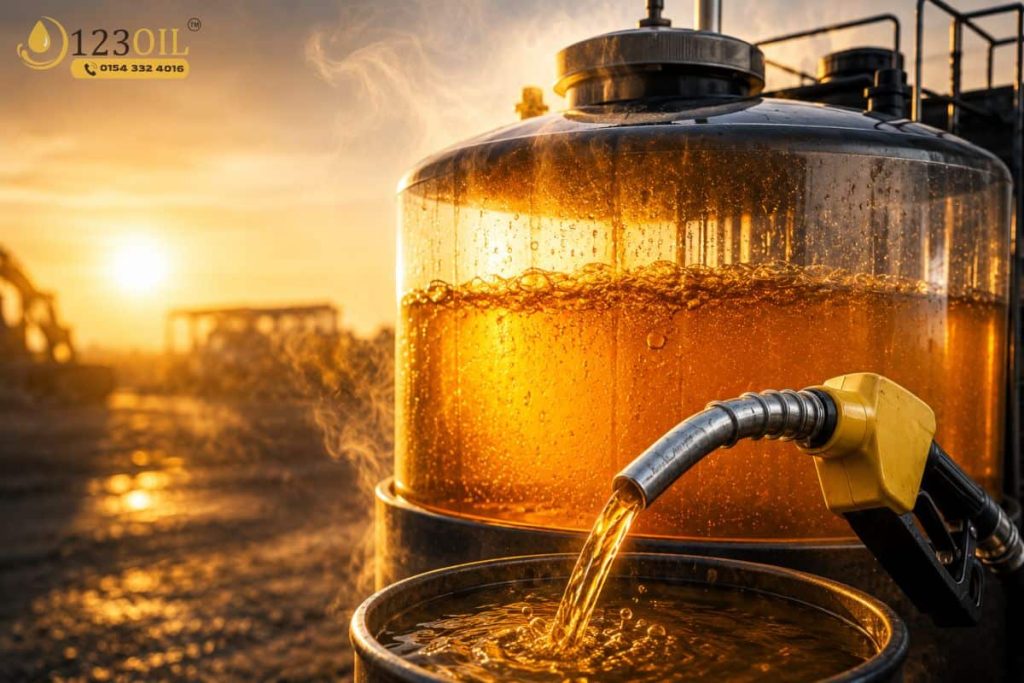
When diesel fuel gets hot, it expands and becomes less dense, meaning the same volume contains slightly less energy than cooler diesel. Higher temperatures also reduce its viscosity, allowing it to flow more easily. If diesel stays hot for long periods, oxidation and fuel degradation can accelerate, potentially creating gums, sediments and deposits that may […]
Ultra Low Sulfur Diesel: Uses, Benefits, Specifications and How It Works

So, the Answer is: Yes. Diesel Exhaust Fluid (DEF) and AdBlue are essentially the same type of fluid when they meet the required ISO 22241 specification. Both contain approximately 32.5% high-purity urea and 67.5% deionised water and are used in Selective Catalytic Reduction (SCR) systems to reduce nitrogen oxide emissions from diesel engines. DEF is […]
Is Diesel Exhaust Fluid AdBlue?
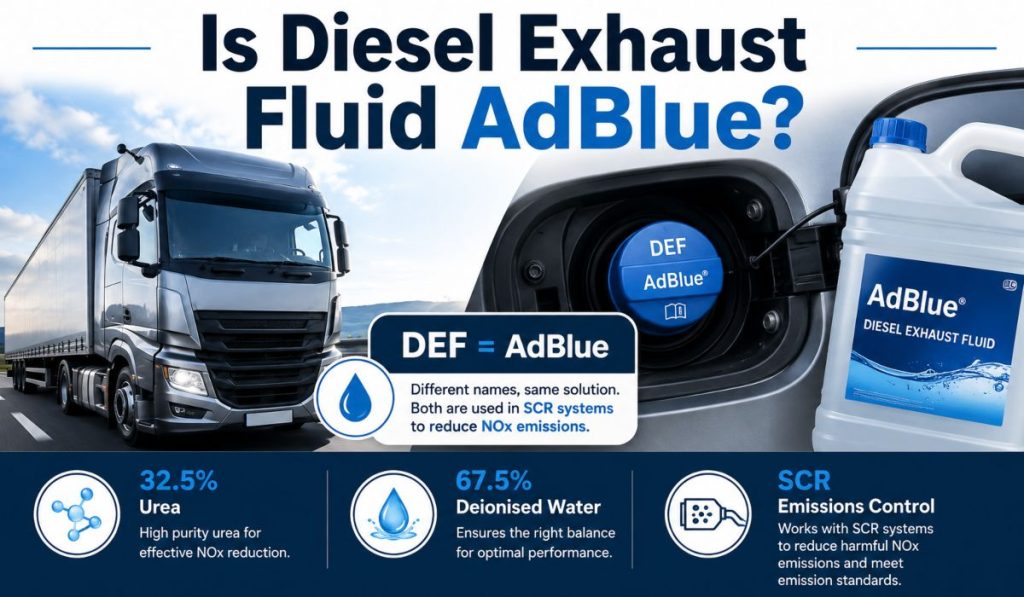
So, the Answer is: Yes. Diesel Exhaust Fluid (DEF) and AdBlue are essentially the same type of fluid when they meet the required ISO 22241 specification. Both contain approximately 32.5% high-purity urea and 67.5% deionised water and are used in Selective Catalytic Reduction (SCR) systems to reduce nitrogen oxide emissions from diesel engines. DEF is […]