


What is a Septic Tank Used For?
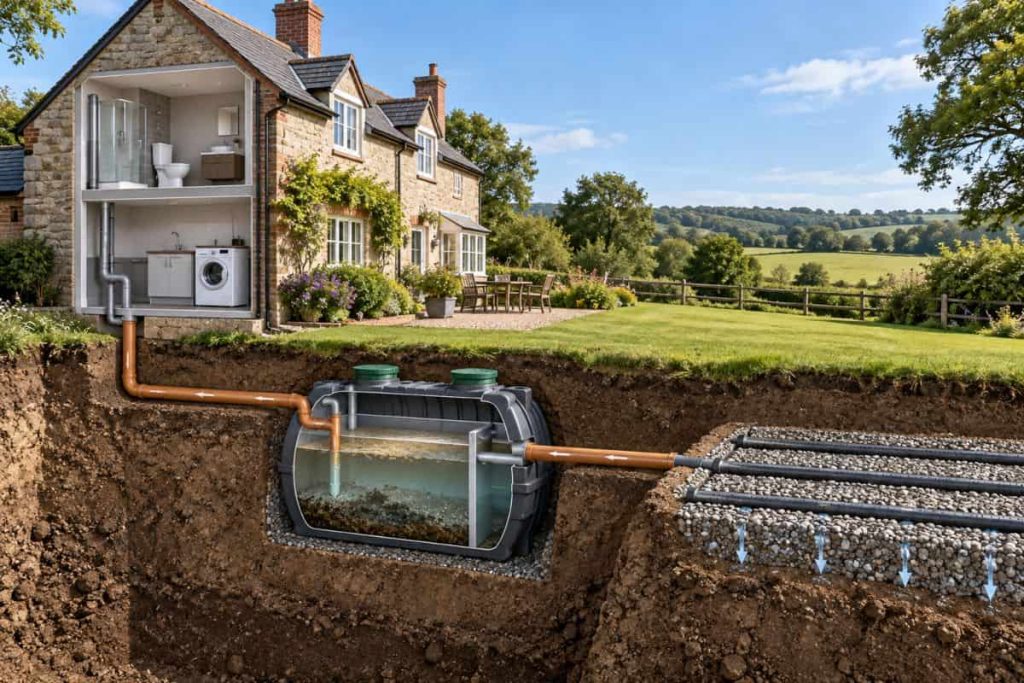
A septic tank is used to collect and partially treat household wastewater from toilets, sinks, showers and washing machines in properties without mains sewer connections. It separates solid waste from liquid, allowing partially treated wastewater to flow into a suitable drainage field for further treatment in the soil. Understanding the Purpose of a Septic Tank […]
How to Clean a Septic Tank?
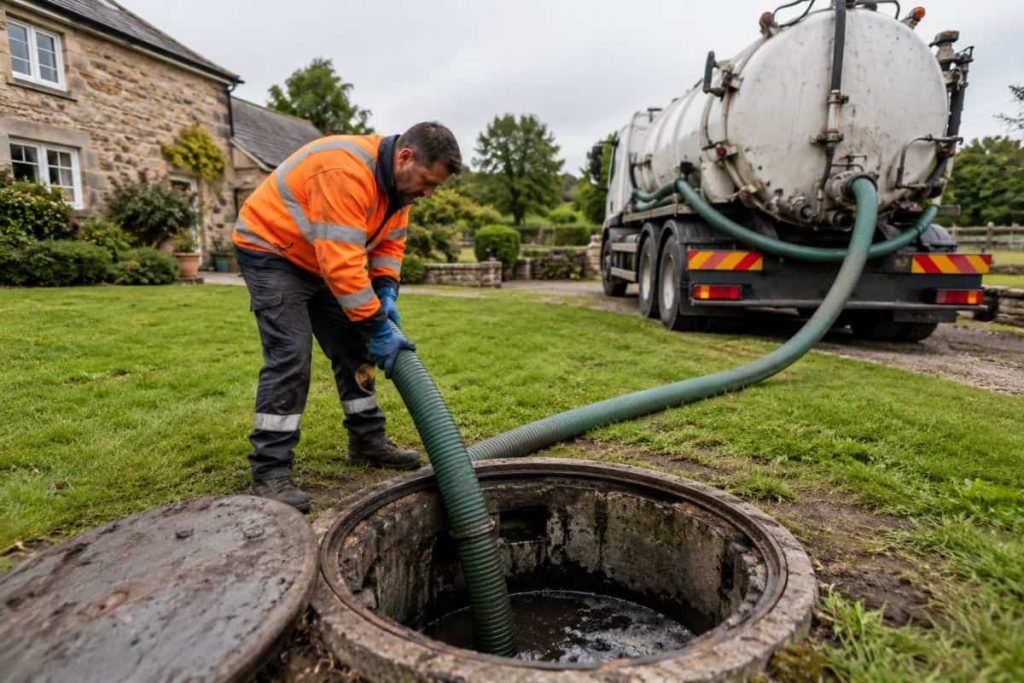
To clean a septic tank, hire a professional waste carrier to pump out accumulated sludge, scum and wastewater. The process includes removing waste, inspecting pipes and checking for blockages or damage. In the UK, septic tanks should generally be desludged annually or as recommended by the manufacturer. Understanding Septic Tank Cleaning and Why It Matters […]
How Much Does It Cost to Replace a Septic Tank?
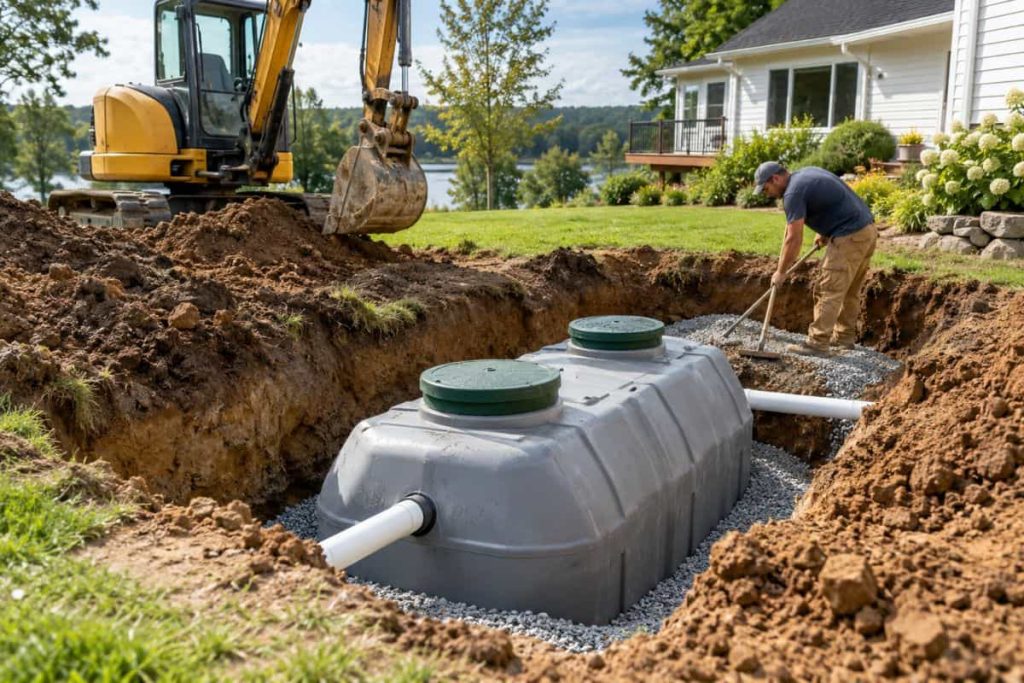
Replacing a septic tank in the UK typically costs around £4,000 for a straightforward replacement, particularly when the existing drainage field can still be used. If you also need a new drainage field, difficult excavation, contaminated soil removal or compliance upgrades, the total can rise to £7,000 to £10,000+ depending on the site. Replacing a […]
How Much is a New Septic Tank?
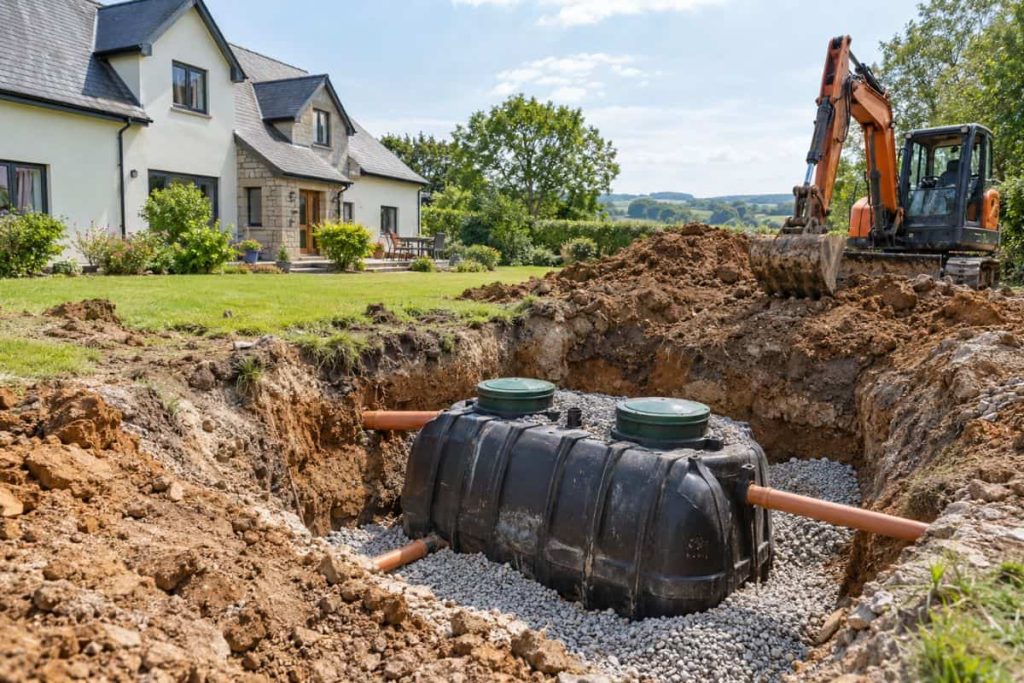
A new septic tank in the UK typically costs around £1,200 to £1,800 for the tank alone, while a complete installation commonly costs about £4,200 to £6,000 including standard excavation and fitting. Costs can exceed £10,000 on complex sites, especially where a new drainage field, difficult groundwork or major compliance upgrades are required. For homes […]
How Far Does a Septic Tank Need to Be from House?
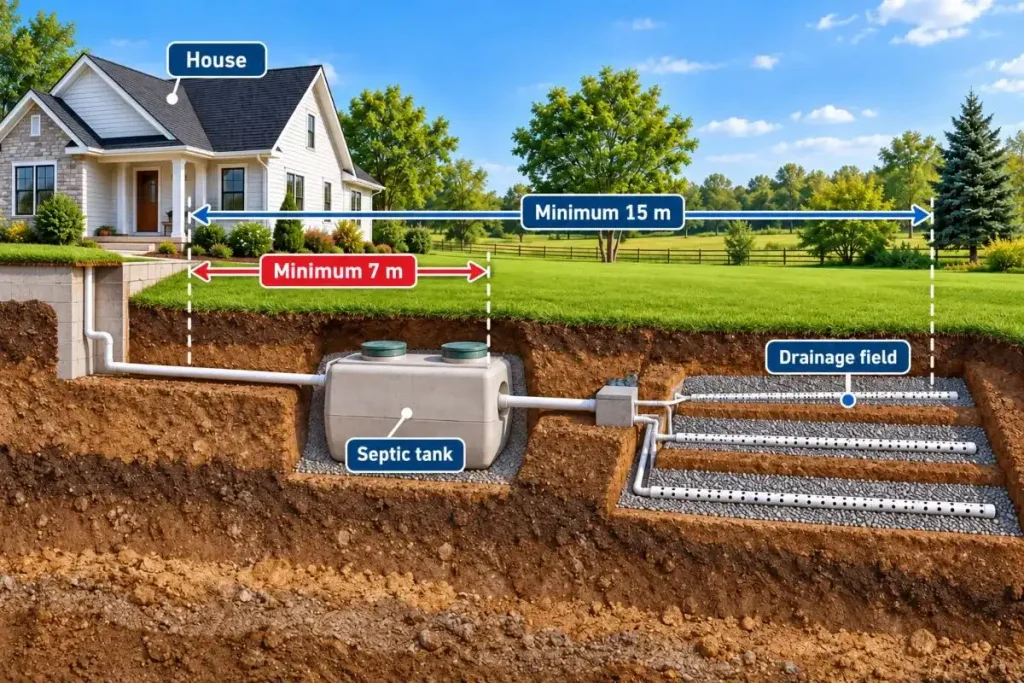
A septic tank should generally be positioned at least 7 metres from any habitable part of a building. The associated drainage field should normally be at least 15 metres from any building. The tank should also be positioned for safe emptying and maintenance, while the drainage field must meet separate distances from watercourses and groundwater […]
How Does a Septic Tank Work?
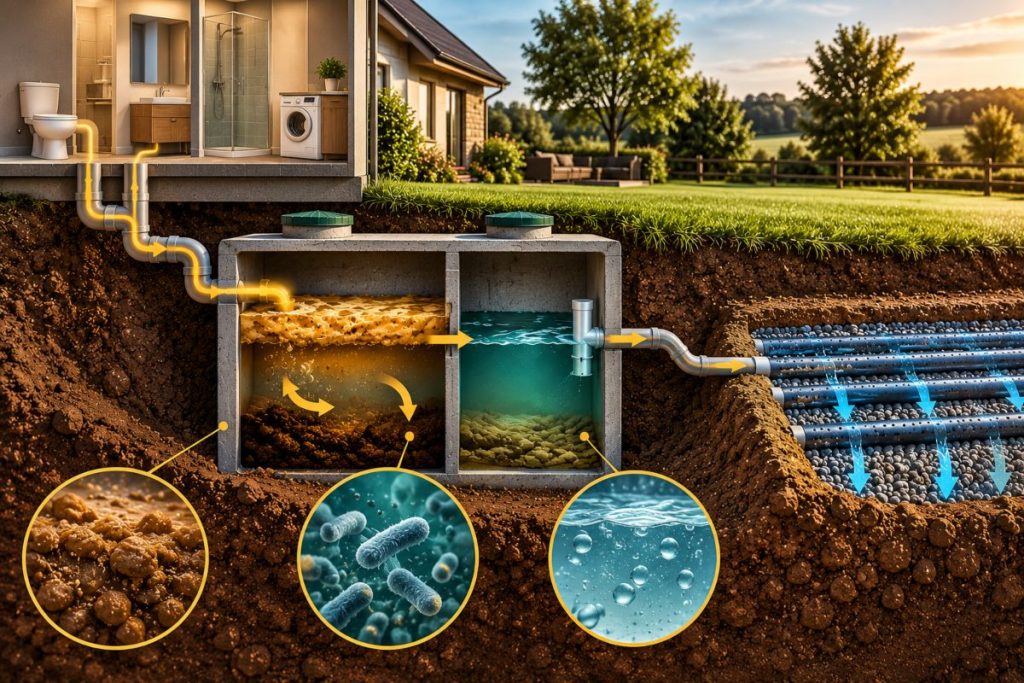
A septic tank works by collecting wastewater, allowing solids to settle and lighter materials to float, while naturally occurring bacteria break down some of the organic waste. The partially treated liquid, known as effluent, then leaves the tank and normally passes into a drainage field for further treatment. If a property is not connected to […]
What is a Septic Tank?
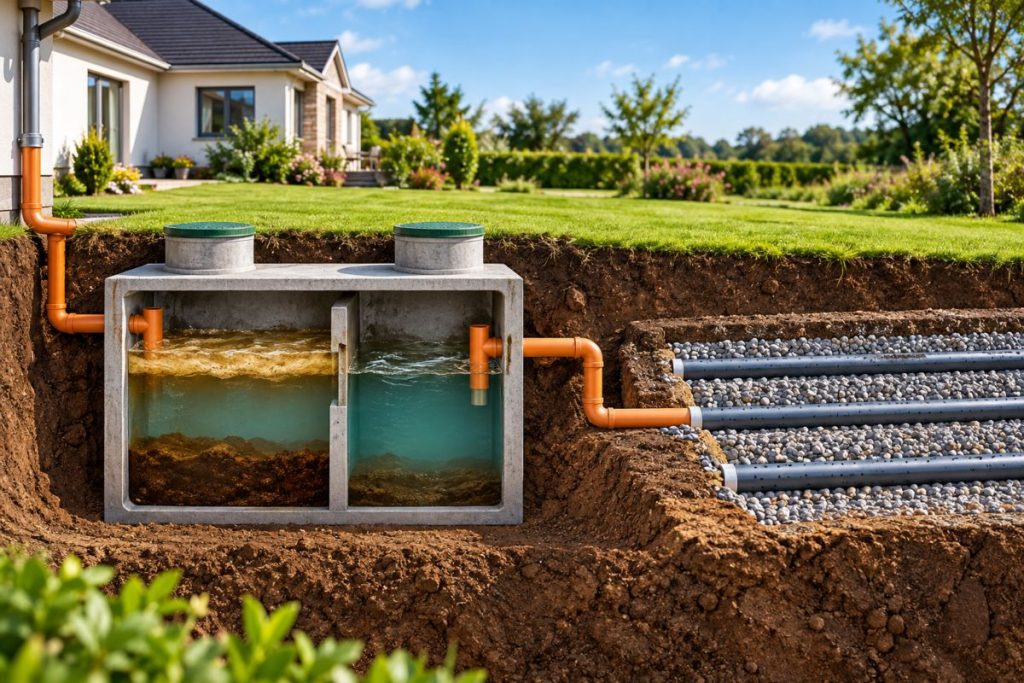
A septic tank is an underground container that collects and partially treats domestic wastewater. Solid waste settles at the bottom as sludge, while lighter materials form a surface layer and liquid effluent leaves the tank through an outlet to a drainage field. Bacteria naturally break down part of the waste inside the tank, while the […]
How to Monitor Fleet Fuel Consumption?

Fleet fuel consumption can be monitored by tracking fuel purchases, analysing mileage, measuring vehicle efficiency and using technology such as telematics and fuel management software. Regular fuel reports, driver behaviour analysis and vehicle maintenance checks help businesses identify fuel waste and reduce operating costs. Fuel is one of the biggest operational expenses for any business […]
Euro 5 vs Euro 6

Euro 6 is the newer and cleaner emissions standard compared with Euro 5. The biggest improvement is the reduction of nitrogen oxide emissions from diesel vehicles. Euro 6 vehicles commonly use advanced systems such as Selective Catalytic Reduction (SCR), AdBlue technology and improved exhaust filters to meet stricter emissions limits. Euro 5 vehicles can still […]
Why Is Diesel More Expensive Than Petrol?
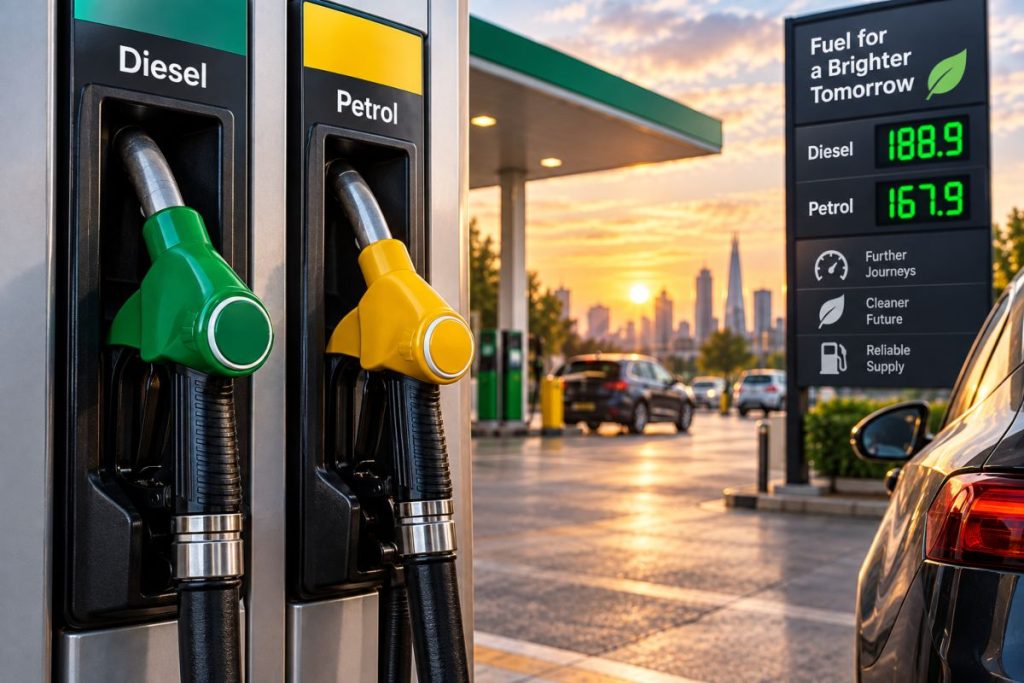
Diesel can be more expensive than petrol because diesel has strong demand from transport, construction, agriculture and industry, while its refining and supply requirements can make it more expensive to produce and distribute. Seasonal demand, crude oil prices, refinery capacity, fuel taxes and global supply conditions can also push diesel prices higher. Diesel is not […]