


Metal Oil Tank Regulations UK
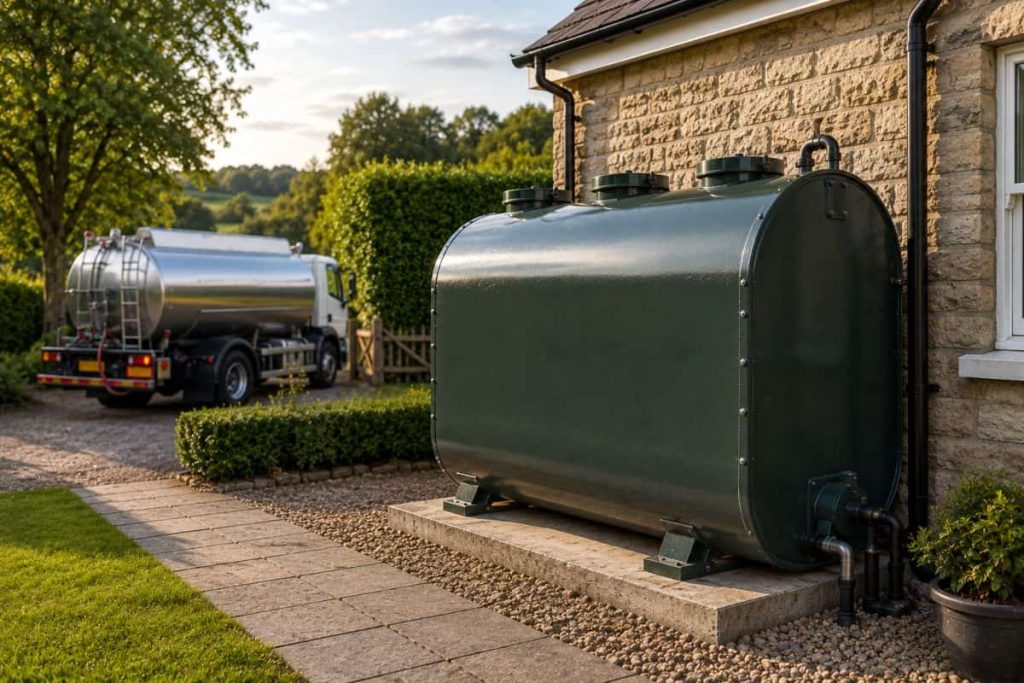
Metal oil tanks in the UK must be safely constructed, securely supported and positioned to reduce fire and pollution risks. In England, new or replacement domestic tanks must meet Building Regulations, and a bund capable of holding at least 110% of the tank capacity is required where specified pollution risks exist or the tank holds […]
How Much Heating Oil Does a House Use?

A typical UK home may use around 1,500–2,500 litres of heating oil per year, equal to roughly 125–210 litres per month, 29–48 litres per week, or 4–7 litres per day when averaged across the year. Actual usage varies depending on property size, insulation, boiler efficiency, household occupancy, weather, and heating habits, with consumption usually much […]
HVO Fuel Price vs Diesel
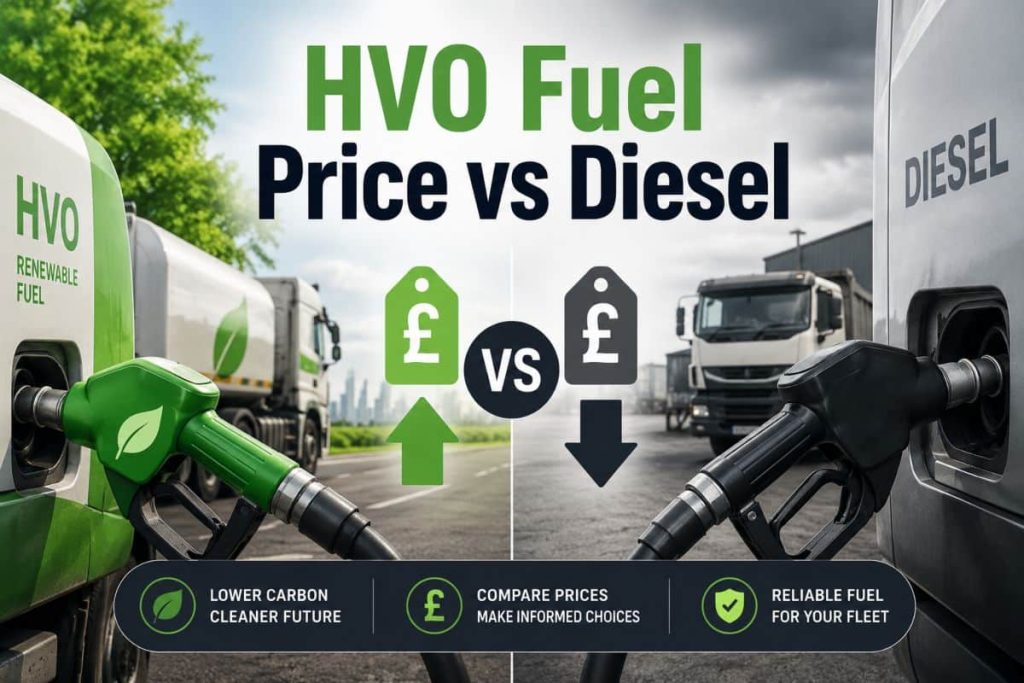
HVO normally costs more per litre than conventional diesel in the UK. The exact difference varies with market conditions, order quantity, supplier, feedstock prices and delivery location. Diesel is generally the cheaper option for immediate fuel costs, while HVO can provide substantially lower lifecycle greenhouse gas emissions and may support corporate sustainability targets without requiring […]
What Does SCR Stand For?
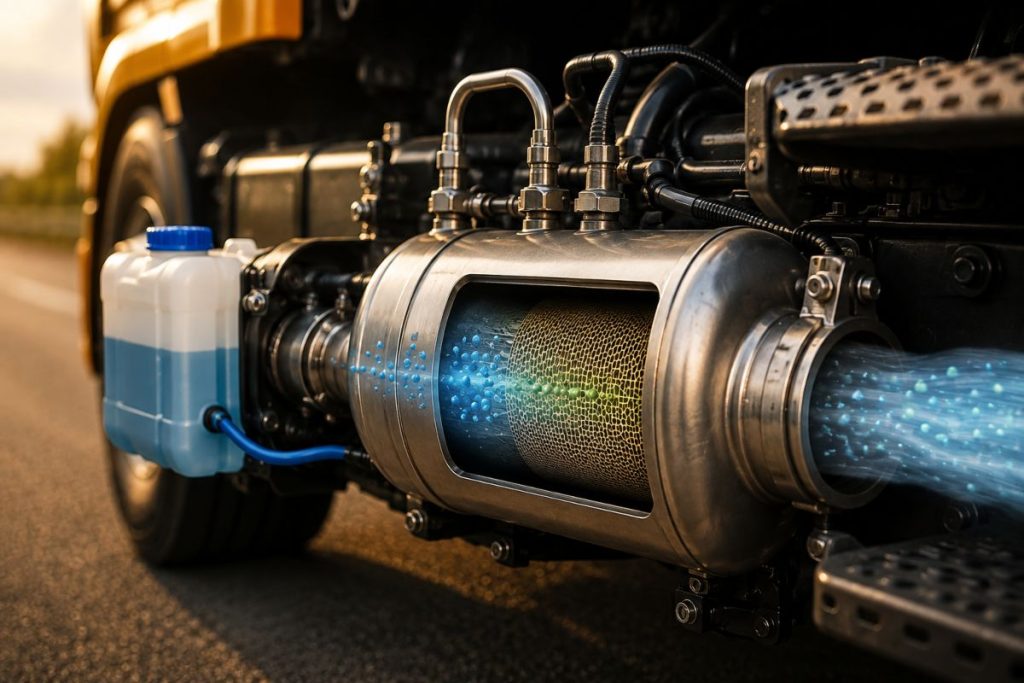
SCR stands for Selective Catalytic Reduction. It is an emissions-control system used mainly in diesel vehicles to reduce harmful nitrogen oxide (NOx) emissions. It works by using AdBlue and an SCR catalyst to convert NOx into nitrogen and water vapour. If you own or operate a modern diesel vehicle, you may have come across the […]
How Does AdBlue Work?
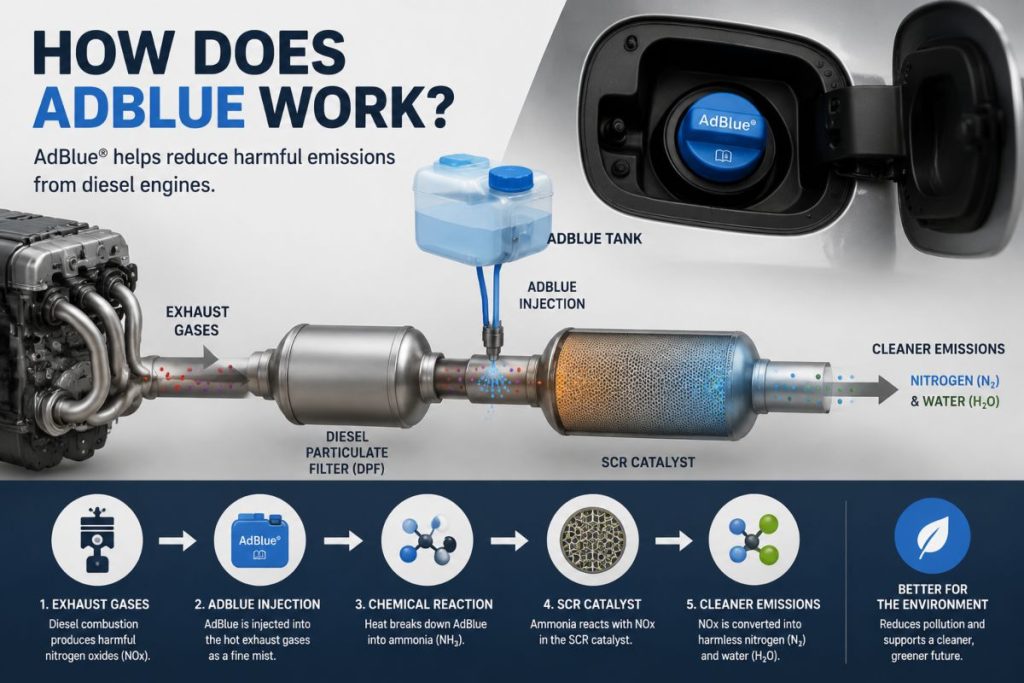
AdBlue works by being injected into the hot exhaust gases of an SCR-equipped diesel vehicle. Heat converts the urea solution so that it ultimately produces ammonia, which reacts with harmful nitrogen oxides (NOx) inside the SCR catalyst. This process converts much of the NOx into nitrogen and water, helping the vehicle reduce harmful exhaust emissions. […]
How to Drain a Fuel Tank with a Hose?
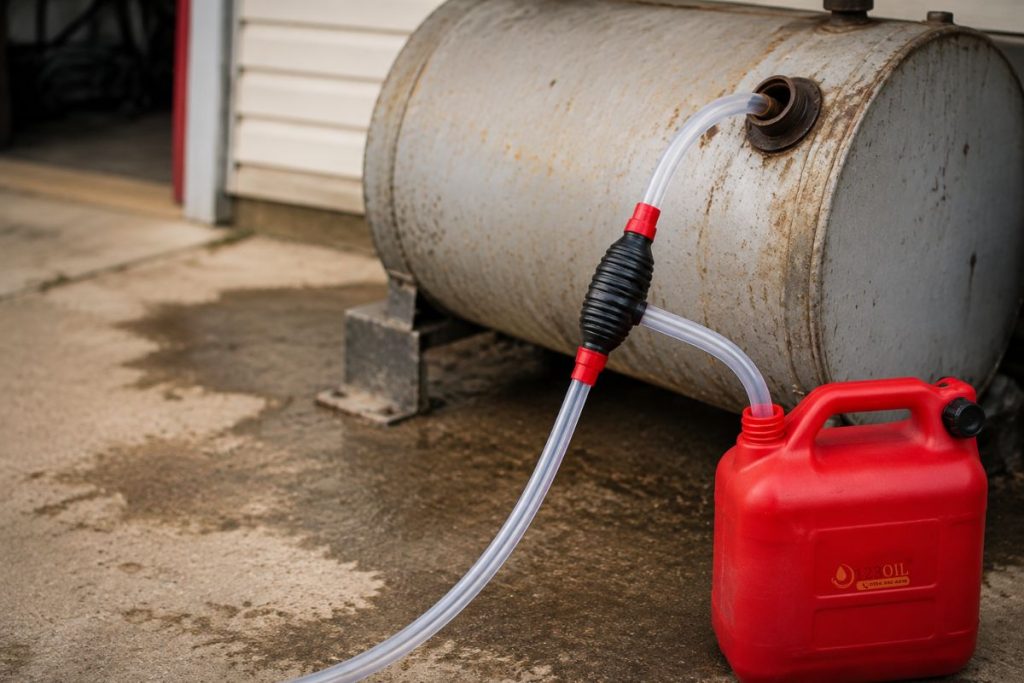
To drain a fuel tank with a hose, use a fuel-compatible siphon hose and an appropriate manual transfer pump. Place an approved receiving container below the fuel level, insert the hose correctly, and start the siphon using the pump. Never siphon fuel by mouth, use unsuitable electrical equipment, or dispose of fuel into drains or […]
How Much is Red Diesel?
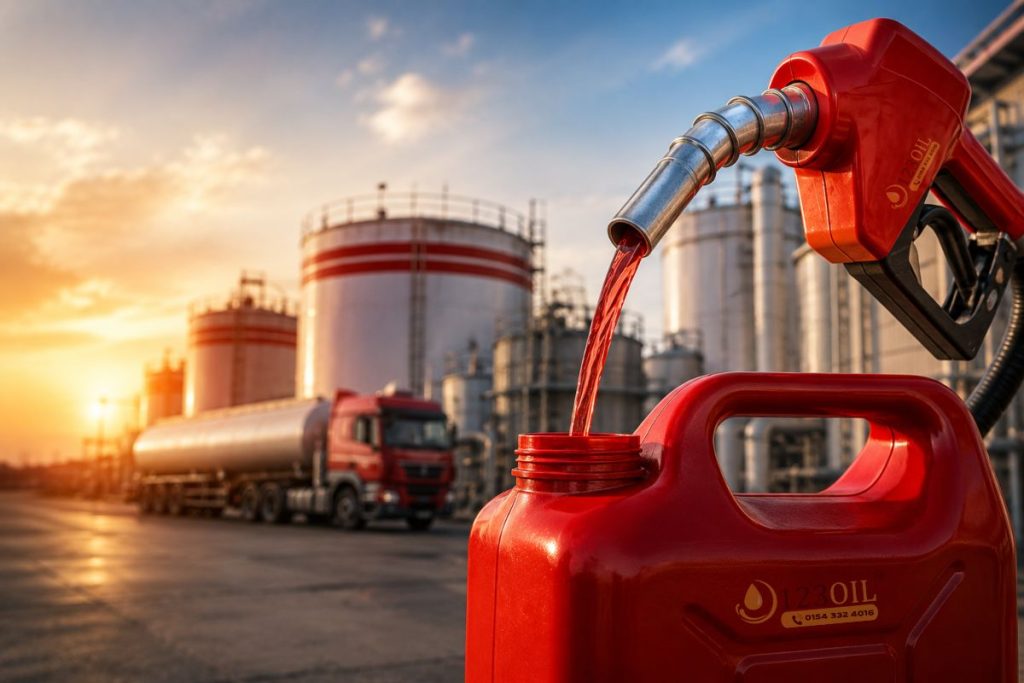
Red diesel in the UK currently costs approximately 95p to £1.10 per litre for bulk commercial deliveries, although prices change daily. The exact cost depends on wholesale fuel prices, order quantity, delivery location, supplier rates, and market conditions. How Much is Red Diesel? Red diesel remains an essential fuel for many industries across the UK, […]
What Does TPI Stand for in Oil and Gas Industry?

TPI stands for Third-Party Inspection in the oil and gas industry. It is an independent process used to check that equipment, materials, manufacturing, and installations meet required quality, safety, and industry standards. Many professionals entering the sector often ask, “What does TPI stand for in the oil and gas industry?” While the abbreviation is commonly […]
What is Midstream in Oil and Gas?

Midstream in oil and gas refers to the collection, processing, transportation and storage of crude oil, natural gas and related products. It connects upstream production sites with downstream refineries, distributors and consumers through pipelines, terminals, processing plants, tankers and storage facilities. The oil and gas industry is often divided into three connected sectors: upstream, midstream […]
What is Pipeline in Oil and Gas?
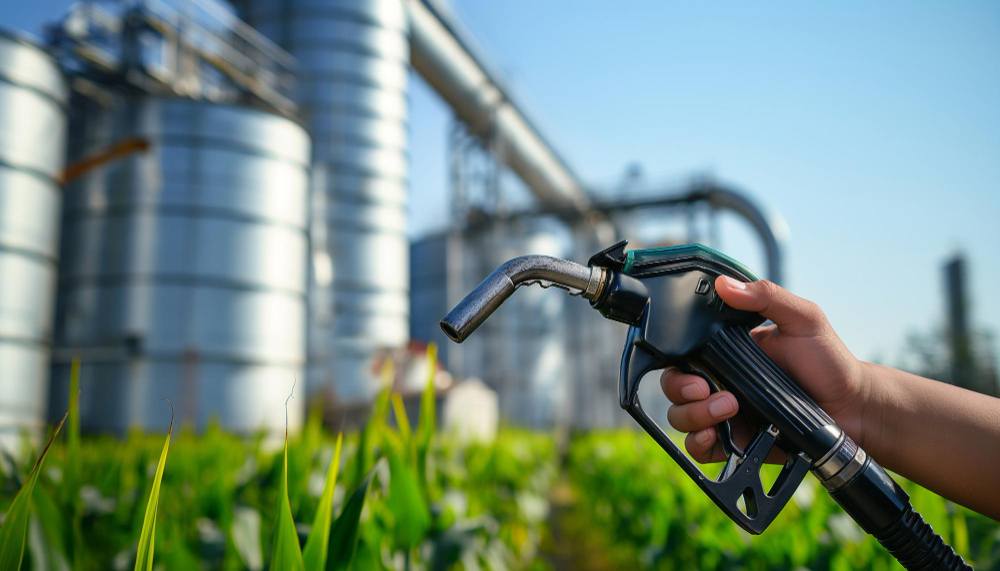
A pipeline in oil and gas is a network of connected pipes designed to transport crude oil, natural gas, refined fuels, and other petroleum products. Pipelines move these materials between wells, processing plants, refineries, storage terminals, and distribution facilities. A complete pipeline system also includes pumps, compressors, valves, monitoring equipment, and safety controls. The oil […]